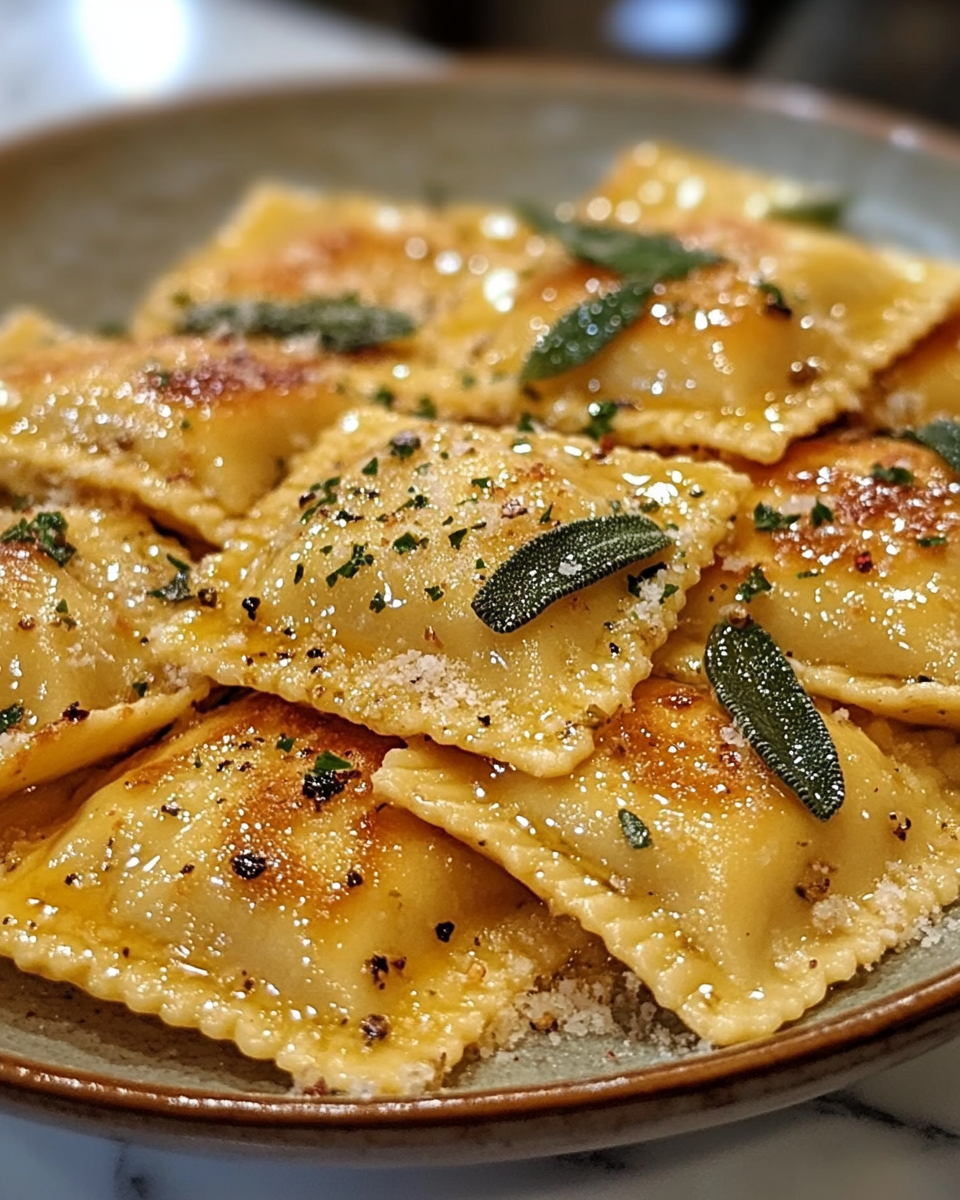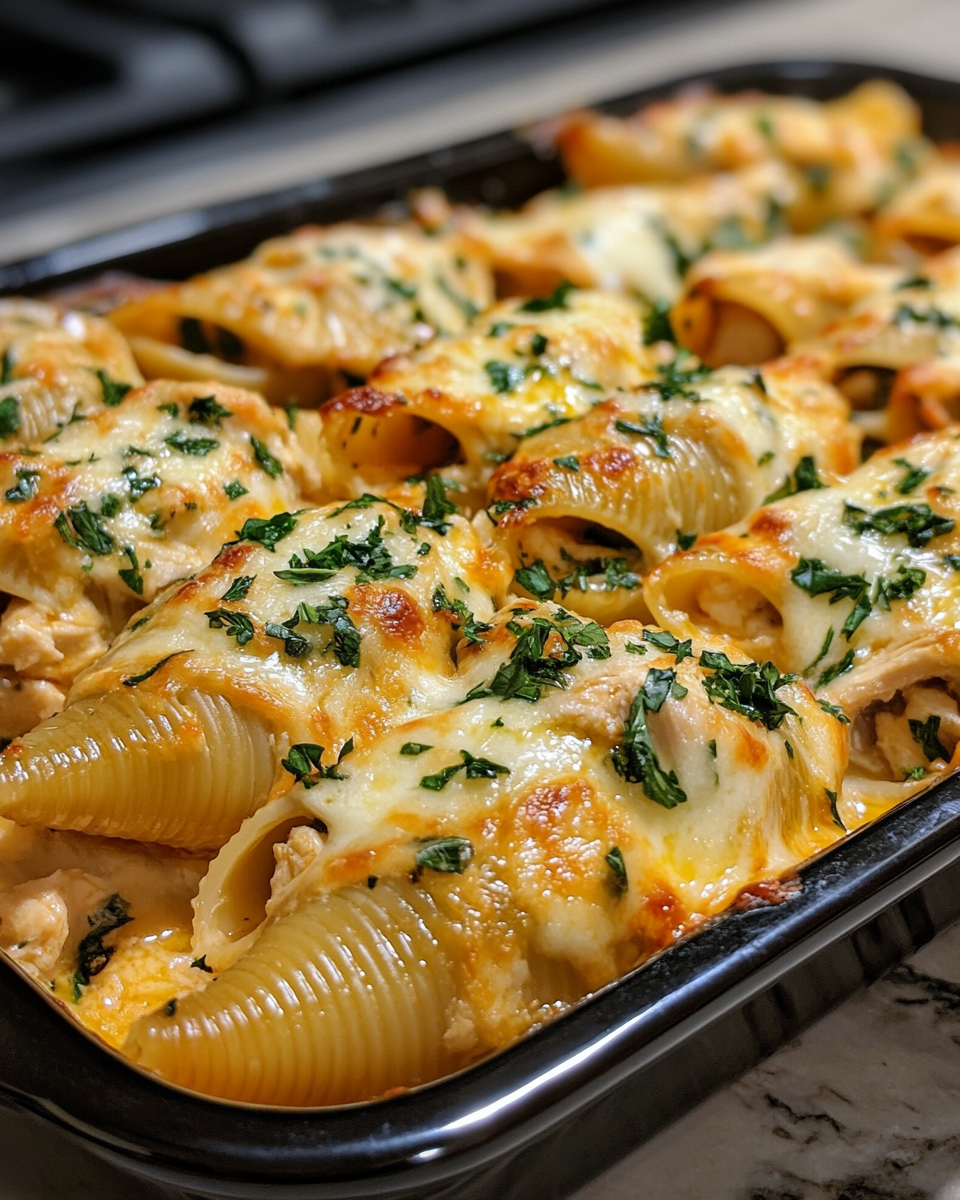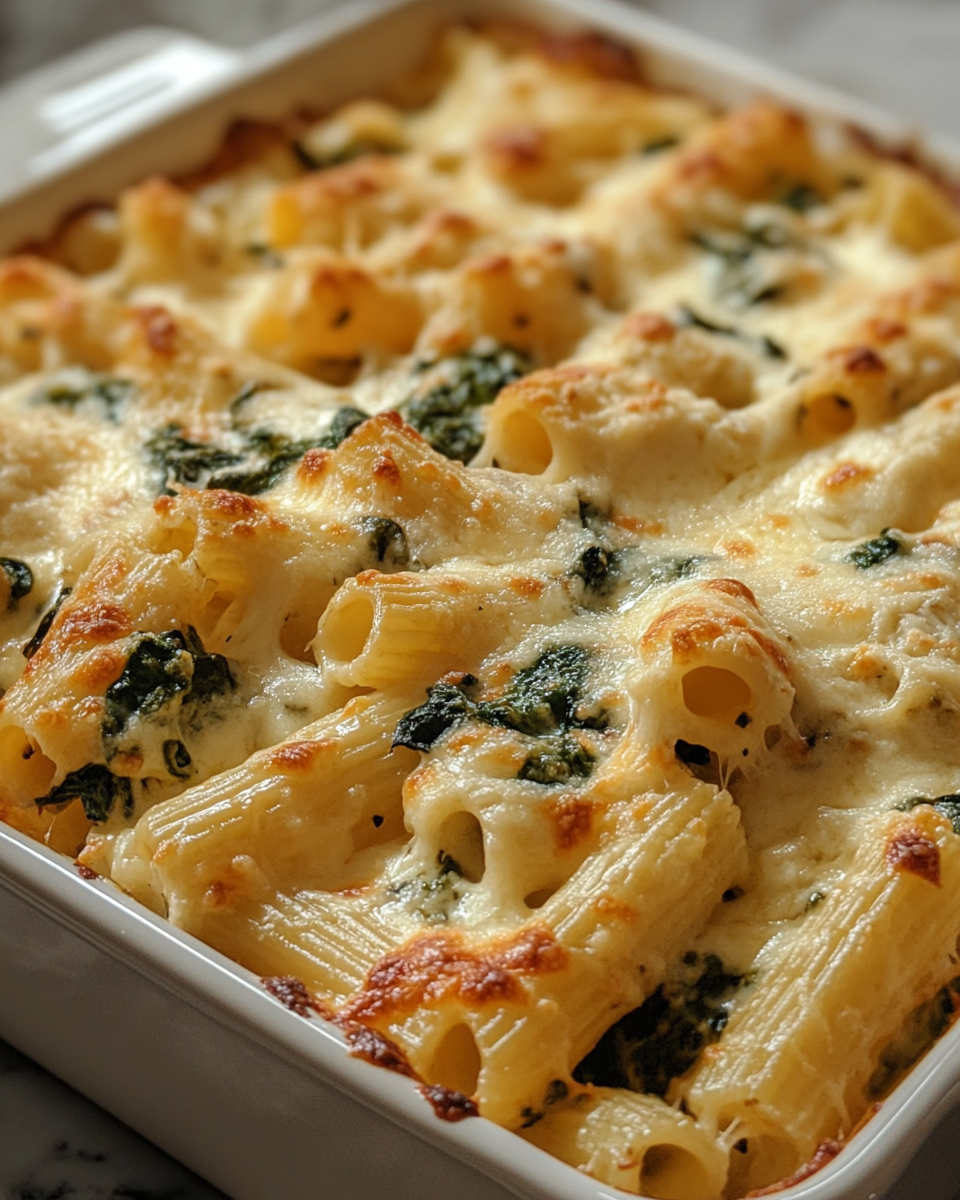
Oven Pasta Dishes 7 Amazing Cozy Baked Pasta Recipes

Posted on

Uncategorized

Difficulty

Prep time

Cooking time

Total time

Servings

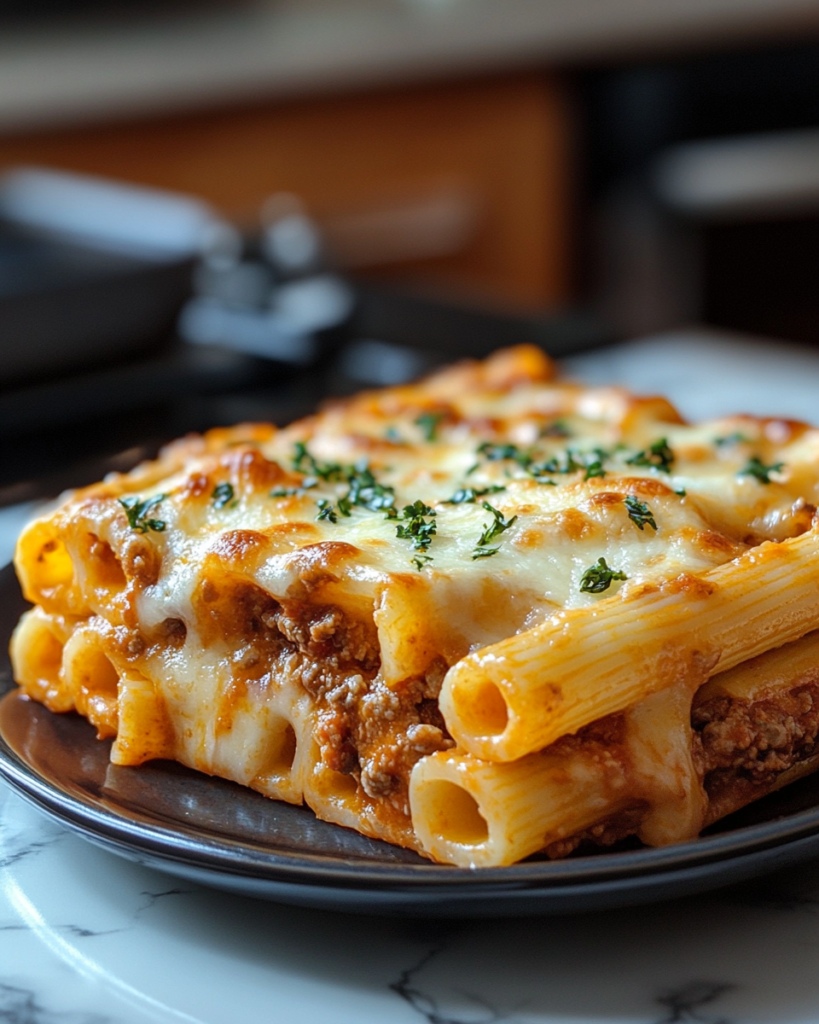
Oven pasta dishes bring a warm, comforting feel to the table with bubbling cheese, tender pasta, and rich sauces baked together in one dish. This style of cooking turns everyday pantry ingredients into something deeply satisfying, perfect for family meals or casual gatherings. The oven does most of the work, gently melding flavors while creating a golden top layer that adds texture and aroma.

From creamy baked ziti to tomato-rich penne casseroles, oven pasta dishes are versatile and adaptable. They work well with different sauces, cheeses, and proteins, making them a go-to option for busy weeknights or relaxed weekends when you want something filling without constant attention at the stove.

Ingredients Overview
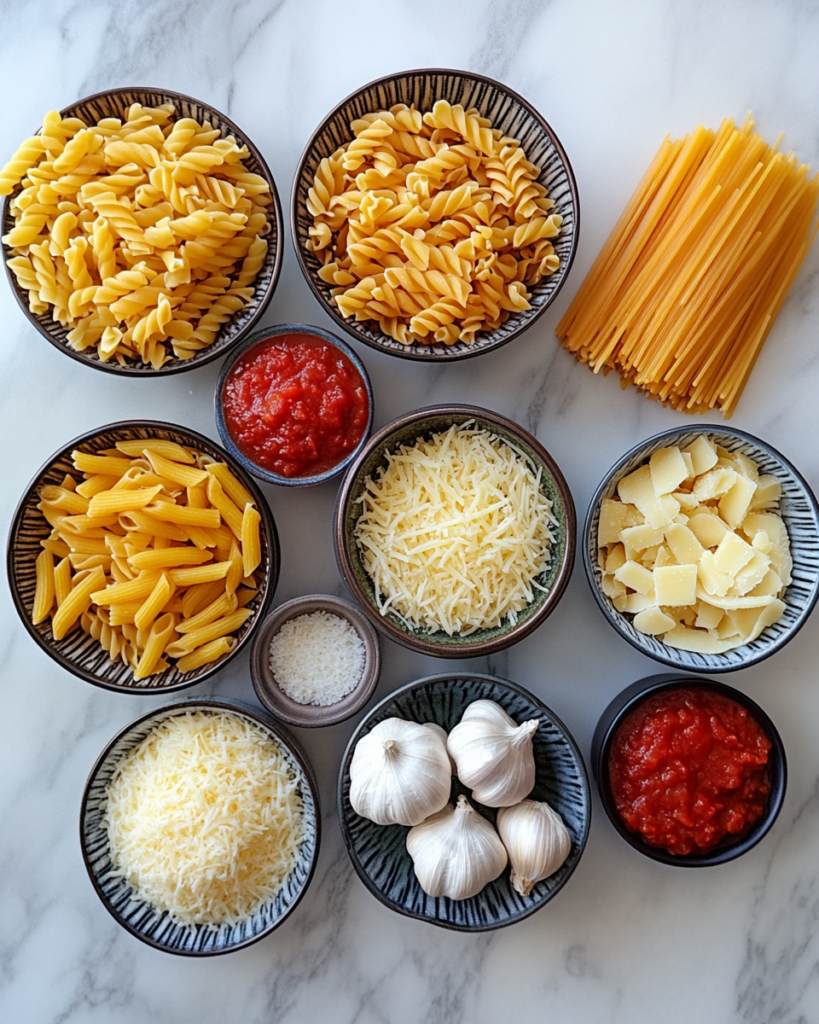
The foundation of oven pasta dishes starts with sturdy pasta shapes such as penne, rigatoni, or ziti. These shapes hold sauce well and maintain structure during baking. Choosing high-quality durum wheat pasta helps the dish stay firm rather than becoming overly soft in the oven.

The sauce is another key component. A tomato-based sauce provides acidity and depth, while a cream-based sauce adds richness and smoothness. Many oven pasta dishes combine both, creating a balanced flavor profile. Garlic, onion, and herbs like basil or oregano bring aroma and warmth, while olive oil adds body and helps carry flavor throughout the dish.

Cheese is essential for texture and taste. Mozzarella melts into stretchy layers, Parmesan adds saltiness and depth, and ricotta introduces creaminess. These cheeses work together to create a cohesive baked structure.

Protein is optional but commonly included. Ground beef, Italian sausage, or chicken add heartiness. For vegetarian versions, mushrooms, spinach, or zucchini provide satisfying texture and flavor.

Substitutions are easy. Gluten-free pasta works well if slightly undercooked before baking. Dairy-free cheese alternatives can be used, though texture may vary slightly. Plant-based proteins like lentils or chickpeas can replace meat while still keeping the dish filling.

When combined, these ingredients create oven pasta dishes that are rich, balanced, and deeply comforting with every bite.

Ingredients

1 pound penne pasta
2 tablespoons olive oil
1 medium onion, finely chopped
3 cloves garlic, minced
1 pound ground beef or Italian sausage
1 teaspoon salt
1/2 teaspoon black pepper
1 teaspoon dried oregano
1 teaspoon dried basil
4 cups crushed tomatoes
2 tablespoons tomato paste
1/2 teaspoon red pepper flakes
1 cup heavy cream
1 1/2 cups shredded mozzarella cheese
1/2 cup grated Parmesan cheese
1 cup ricotta cheese
2 tablespoons fresh parsley, chopped

Step-by-Step Instructions
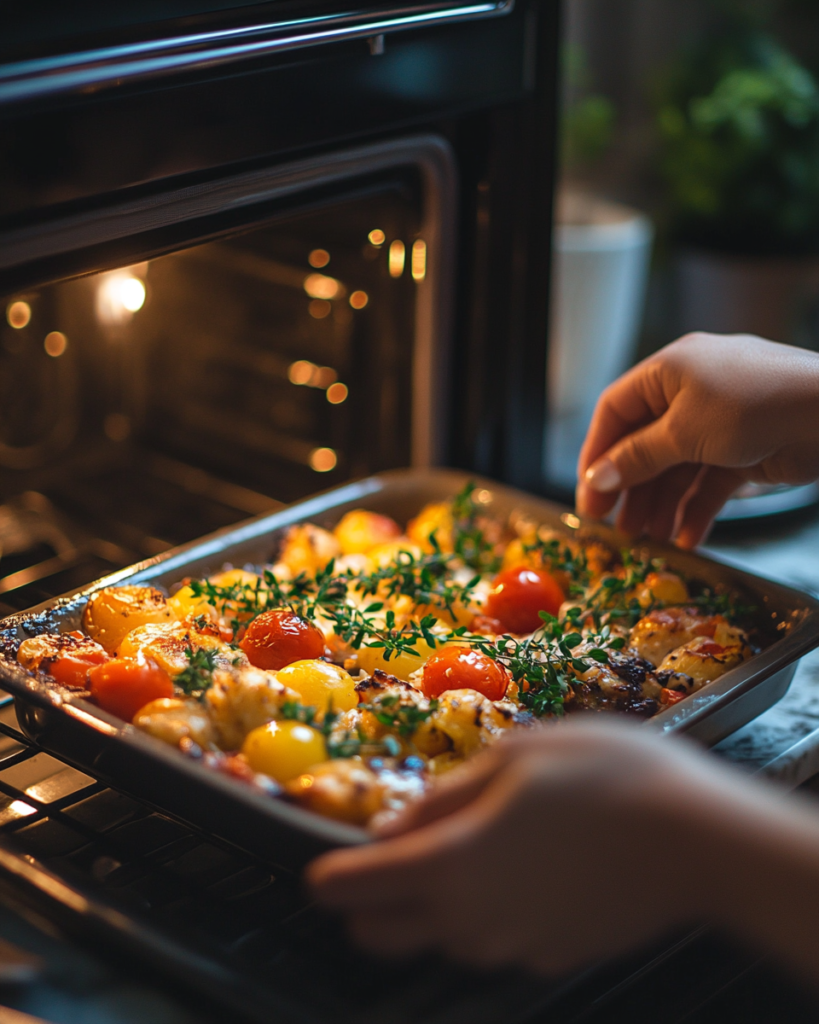
Start by preheating the oven to 375°F (190°C). Cook the pasta in a large pot of salted water until just shy of al dente, usually 1–2 minutes less than package directions. Drain and set aside. Slightly firm pasta holds its structure better during baking and avoids becoming overly soft.

Heat olive oil in a large skillet over medium heat. Add chopped onion and cook until soft and translucent. Stir in garlic and cook briefly until fragrant. Add ground beef or sausage, breaking it apart as it browns. Cook until no pink remains and the surface develops light browning for added depth of flavor.

Season the meat mixture with salt, black pepper, oregano, and basil. Stir in tomato paste and cook for a minute before adding crushed tomatoes and red pepper flakes. Let the sauce simmer gently for 10–15 minutes until slightly thickened. Stir in heavy cream to create a smoother, richer sauce.

Combine the cooked pasta with the sauce, mixing until fully coated. Add half of the mozzarella and half of the Parmesan, stirring gently so the cheese begins to melt into the mixture.

Transfer half of the pasta mixture into a baking dish. Spoon ricotta in small dollops across the surface. Add the remaining pasta on top, then sprinkle with the rest of the mozzarella and Parmesan.

Bake uncovered for 20–25 minutes until the top becomes golden and the edges are gently bubbling. Let the dish rest for 10 minutes before serving so it sets properly and is easier to slice.

Tips, Variations & Substitutions

For a deeper flavor, brown the meat well before adding sauce ingredients. This creates a richer base that enhances oven pasta dishes. If you prefer a lighter version, replace heavy cream with whole milk or skip it entirely for a more tomato-forward profile.

Vegetables can easily be added. Spinach, mushrooms, or roasted zucchini blend well into the sauce. For extra heat, increase red pepper flakes or add a pinch of chili powder.

Different cheeses can change the character of the dish. Fontina adds creaminess, provolone gives a sharper edge, and a smoked cheese introduces a deeper aroma. Gluten-free pasta works well when slightly undercooked before baking.

For a meatless version, replace the protein with lentils or a mix of sautéed vegetables. The dish still holds together well and remains filling.

Serving Ideas & Occasions

Oven pasta dishes pair well with simple sides like green salad, roasted vegetables, or garlic bread. The freshness of a salad balances the richness of the baked pasta, while bread helps soak up extra sauce.

These dishes are often served at family dinners, potlucks, or weekend gatherings. They hold heat well, making them ideal for serving multiple people over time. A light sparkling water or iced tea complements the richness without overpowering the flavors.

Nutritional & Health Notes

Oven pasta dishes provide a balance of carbohydrates, protein, and fats, making them a satisfying main meal. Pasta supplies energy, while meat and cheese contribute protein and fat for fullness.

Tomatoes add natural acidity and contain beneficial plant compounds. Using lean meats or reducing cheese can lower overall fat content. Adding vegetables increases fiber and nutrients, improving balance without changing the core character of the dish.

Portion size plays an important role, as baked pasta is rich and filling. Pairing with vegetables helps create a more rounded meal without heaviness.

FAQs

What pasta works best for oven pasta dishes?

Short, sturdy pasta shapes such as penne, rigatoni, or ziti work best. These shapes hold sauce well and maintain structure during baking. Long pasta tends to clump and does not distribute evenly in baked dishes. Choosing quality durum wheat pasta also helps maintain firmness after oven cooking.

Can oven pasta dishes be made ahead of time?

Yes, they are excellent for preparing in advance. Assemble the dish completely, cover it tightly, and refrigerate for up to 24 hours before baking. When ready, bake as directed, adding a few extra minutes if starting from cold. This makes them convenient for gatherings or busy evenings.

Can I freeze oven pasta dishes?

Oven pasta dishes freeze well either before or after baking. Wrap tightly in freezer-safe packaging and store for up to three months. Thaw in the refrigerator overnight before reheating in the oven until fully warmed through and bubbling.

What cheeses work best in baked pasta?

Mozzarella is ideal for melting, Parmesan adds depth, and ricotta provides creaminess. Combining these creates a layered texture. Other options like provolone or fontina can also be used for different flavor profiles while maintaining good melt quality.

How do I prevent baked pasta from drying out?

Keeping enough sauce in the mixture is key. Slightly undercooking the pasta before baking also helps it absorb moisture without becoming dry. Covering with foil for part of the baking time can help retain moisture if needed.

Can I make oven pasta dishes vegetarian?

Yes, simply omit meat and replace it with vegetables like mushrooms, spinach, zucchini, or eggplant. Legumes such as lentils or chickpeas can also be added for protein. The sauce and cheese still provide rich flavor and satisfying texture.

Why is my baked pasta mushy?

Mushy texture usually comes from overcooked pasta or too much liquid in the sauce. Cooking pasta slightly under al dente and balancing sauce thickness before baking helps prevent this. Letting the dish rest after baking also improves structure.

[rank_math_breadcrumb]

Oven Pasta Dishes 7 Amazing Cozy Baked Pasta Recipes

Photo of author
Author: Carol
Published:

Oven pasta dishes bring a warm, comforting feel to the table with bubbling cheese, tender pasta, and rich sauces baked together in one dish. This style of cooking turns everyday pantry ingredients into something deeply satisfying, perfect for family meals or casual gatherings. The oven does most of the work, gently melding flavors while creating a golden top layer that adds texture and aroma.

From creamy baked ziti to tomato-rich penne casseroles, oven pasta dishes are versatile and adaptable. They work well with different sauces, cheeses, and proteins, making them a go-to option for busy weeknights or relaxed weekends when you want something filling without constant attention at the stove.

Ingredients Overview

The foundation of oven pasta dishes starts with sturdy pasta shapes such as penne, rigatoni, or ziti. These shapes hold sauce well and maintain structure during baking. Choosing high-quality durum wheat pasta helps the dish stay firm rather than becoming overly soft in the oven.

The sauce is another key component. A tomato-based sauce provides acidity and depth, while a cream-based sauce adds richness and smoothness. Many oven pasta dishes combine both, creating a balanced flavor profile. Garlic, onion, and herbs like basil or oregano bring aroma and warmth, while olive oil adds body and helps carry flavor throughout the dish.

Cheese is essential for texture and taste. Mozzarella melts into stretchy layers, Parmesan adds saltiness and depth, and ricotta introduces creaminess. These cheeses work together to create a cohesive baked structure.

Protein is optional but commonly included. Ground beef, Italian sausage, or chicken add heartiness. For vegetarian versions, mushrooms, spinach, or zucchini provide satisfying texture and flavor.

Substitutions are easy. Gluten-free pasta works well if slightly undercooked before baking. Dairy-free cheese alternatives can be used, though texture may vary slightly. Plant-based proteins like lentils or chickpeas can replace meat while still keeping the dish filling.

When combined, these ingredients create oven pasta dishes that are rich, balanced, and deeply comforting with every bite.

Ingredients

1 pound penne pasta
2 tablespoons olive oil
1 medium onion, finely chopped
3 cloves garlic, minced
1 pound ground beef or Italian sausage
1 teaspoon salt
1/2 teaspoon black pepper
1 teaspoon dried oregano
1 teaspoon dried basil
4 cups crushed tomatoes
2 tablespoons tomato paste
1/2 teaspoon red pepper flakes
1 cup heavy cream
1 1/2 cups shredded mozzarella cheese
1/2 cup grated Parmesan cheese
1 cup ricotta cheese
2 tablespoons fresh parsley, chopped

Step-by-Step Instructions

Start by preheating the oven to 375°F (190°C). Cook the pasta in a large pot of salted water until just shy of al dente, usually 1–2 minutes less than package directions. Drain and set aside. Slightly firm pasta holds its structure better during baking and avoids becoming overly soft.

Heat olive oil in a large skillet over medium heat. Add chopped onion and cook until soft and translucent. Stir in garlic and cook briefly until fragrant. Add ground beef or sausage, breaking it apart as it browns. Cook until no pink remains and the surface develops light browning for added depth of flavor.

Season the meat mixture with salt, black pepper, oregano, and basil. Stir in tomato paste and cook for a minute before adding crushed tomatoes and red pepper flakes. Let the sauce simmer gently for 10–15 minutes until slightly thickened. Stir in heavy cream to create a smoother, richer sauce.

Combine the cooked pasta with the sauce, mixing until fully coated. Add half of the mozzarella and half of the Parmesan, stirring gently so the cheese begins to melt into the mixture.

Transfer half of the pasta mixture into a baking dish. Spoon ricotta in small dollops across the surface. Add the remaining pasta on top, then sprinkle with the rest of the mozzarella and Parmesan.

Bake uncovered for 20–25 minutes until the top becomes golden and the edges are gently bubbling. Let the dish rest for 10 minutes before serving so it sets properly and is easier to slice.

Tips, Variations & Substitutions

For a deeper flavor, brown the meat well before adding sauce ingredients. This creates a richer base that enhances oven pasta dishes. If you prefer a lighter version, replace heavy cream with whole milk or skip it entirely for a more tomato-forward profile.

Vegetables can easily be added. Spinach, mushrooms, or roasted zucchini blend well into the sauce. For extra heat, increase red pepper flakes or add a pinch of chili powder.

Different cheeses can change the character of the dish. Fontina adds creaminess, provolone gives a sharper edge, and a smoked cheese introduces a deeper aroma. Gluten-free pasta works well when slightly undercooked before baking.

For a meatless version, replace the protein with lentils or a mix of sautéed vegetables. The dish still holds together well and remains filling.

Serving Ideas & Occasions

Oven pasta dishes pair well with simple sides like green salad, roasted vegetables, or garlic bread. The freshness of a salad balances the richness of the baked pasta, while bread helps soak up extra sauce.

These dishes are often served at family dinners, potlucks, or weekend gatherings. They hold heat well, making them ideal for serving multiple people over time. A light sparkling water or iced tea complements the richness without overpowering the flavors.

Nutritional & Health Notes

Oven pasta dishes provide a balance of carbohydrates, protein, and fats, making them a satisfying main meal. Pasta supplies energy, while meat and cheese contribute protein and fat for fullness.

Tomatoes add natural acidity and contain beneficial plant compounds. Using lean meats or reducing cheese can lower overall fat content. Adding vegetables increases fiber and nutrients, improving balance without changing the core character of the dish.

Portion size plays an important role, as baked pasta is rich and filling. Pairing with vegetables helps create a more rounded meal without heaviness.

FAQs

What pasta works best for oven pasta dishes?

Short, sturdy pasta shapes such as penne, rigatoni, or ziti work best. These shapes hold sauce well and maintain structure during baking. Long pasta tends to clump and does not distribute evenly in baked dishes. Choosing quality durum wheat pasta also helps maintain firmness after oven cooking.

Can oven pasta dishes be made ahead of time?

Yes, they are excellent for preparing in advance. Assemble the dish completely, cover it tightly, and refrigerate for up to 24 hours before baking. When ready, bake as directed, adding a few extra minutes if starting from cold. This makes them convenient for gatherings or busy evenings.

Can I freeze oven pasta dishes?

Oven pasta dishes freeze well either before or after baking. Wrap tightly in freezer-safe packaging and store for up to three months. Thaw in the refrigerator overnight before reheating in the oven until fully warmed through and bubbling.

What cheeses work best in baked pasta?

Mozzarella is ideal for melting, Parmesan adds depth, and ricotta provides creaminess. Combining these creates a layered texture. Other options like provolone or fontina can also be used for different flavor profiles while maintaining good melt quality.

How do I prevent baked pasta from drying out?

Keeping enough sauce in the mixture is key. Slightly undercooking the pasta before baking also helps it absorb moisture without becoming dry. Covering with foil for part of the baking time can help retain moisture if needed.

Can I make oven pasta dishes vegetarian?

Yes, simply omit meat and replace it with vegetables like mushrooms, spinach, zucchini, or eggplant. Legumes such as lentils or chickpeas can also be added for protein. The sauce and cheese still provide rich flavor and satisfying texture.

Why is my baked pasta mushy?

Mushy texture usually comes from overcooked pasta or too much liquid in the sauce. Cooking pasta slightly under al dente and balancing sauce thickness before baking helps prevent this. Letting the dish rest after baking also improves structure.
Name

Lorem ipsum dolor sit amet, consectetur adipiscing elit. Suspendisse varius enim in eros elementum tristique. Duis cursus, mi quis viverra ornare, eros dolor interdum nulla, ut commodo diam libero vitae erat.

You Might Also Like...

Lemon Herb Chicken Bowtie Pasta 5 Simple Surprising Meal

Lemon Herb Chicken Bowtie Pasta 5 Simple Surprising Meal

Chicken Scampi Angel Hair 7 Simple Creamy Delight

Chicken Scampi Angel Hair 7 Simple Creamy Delight

Chicken Alfredo Spinach Bake 5 Simple Cozy Comfort

Chicken Alfredo Spinach Bake 5 Simple Cozy Comfort

Homestyle Chicken Noodle Skillet 30-Min Simple Fearless

Homestyle Chicken Noodle Skillet 30-Min Simple Fearless

Tags:

You might also like these recipes

Leave a Comment