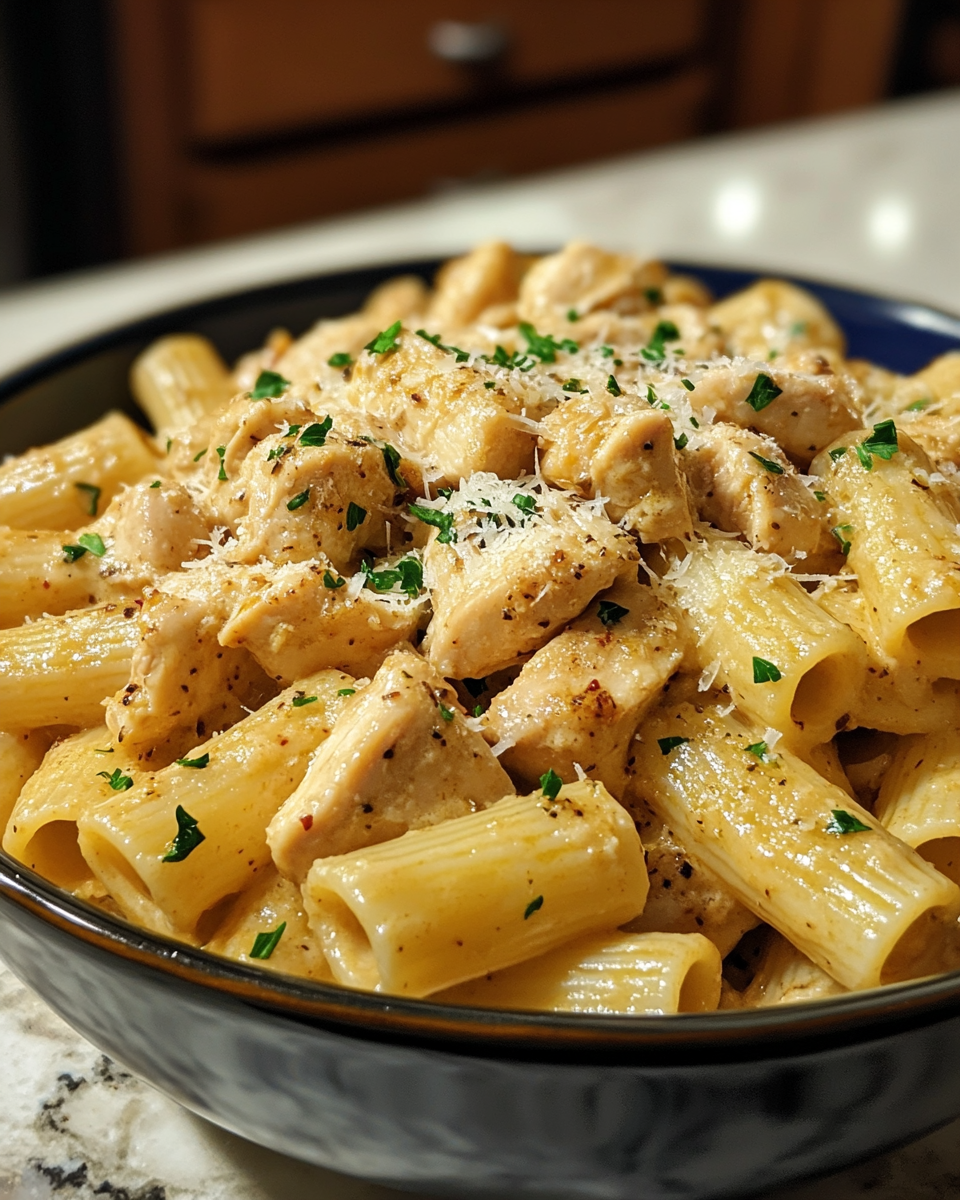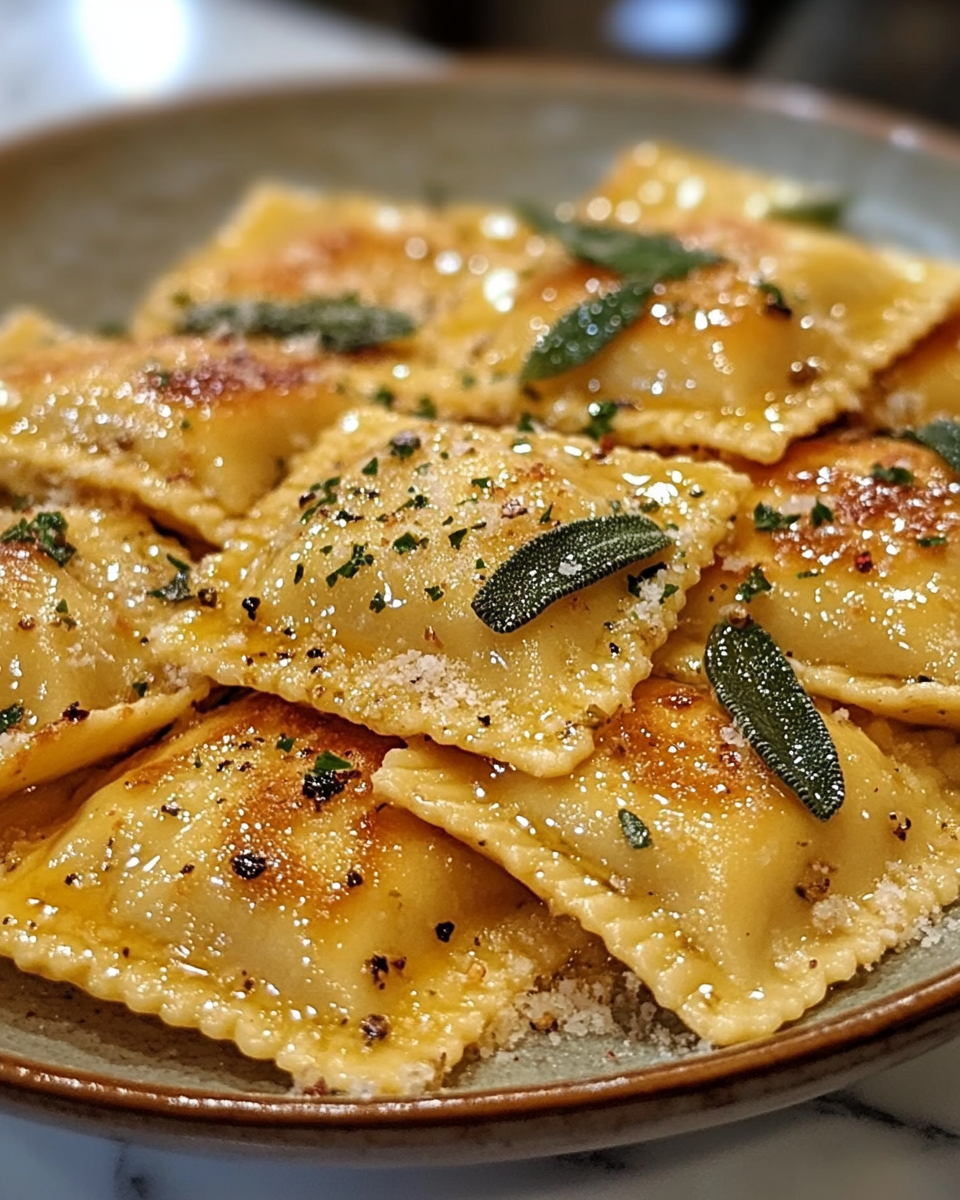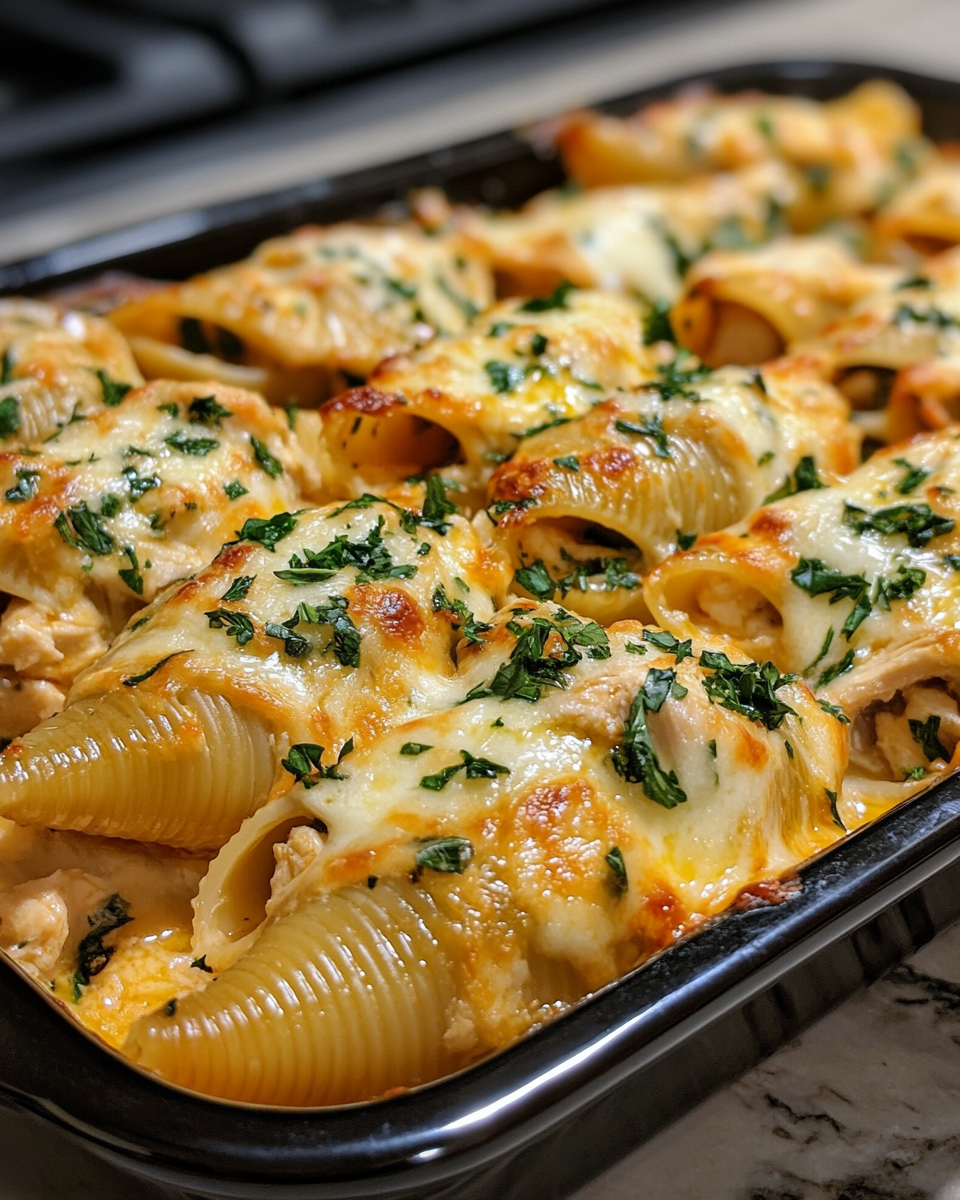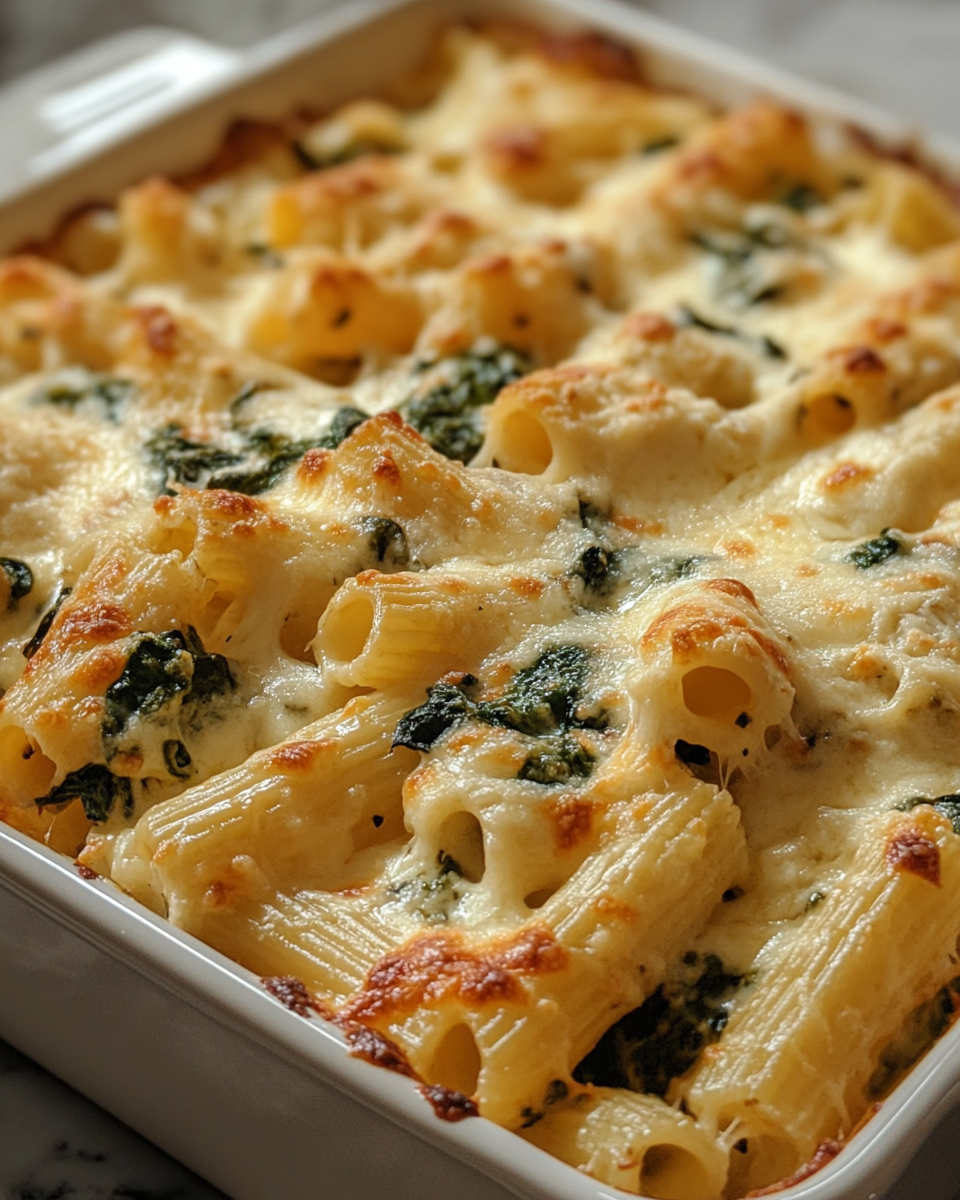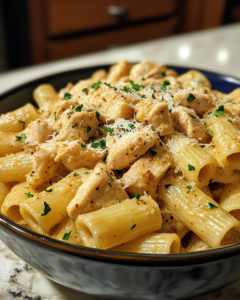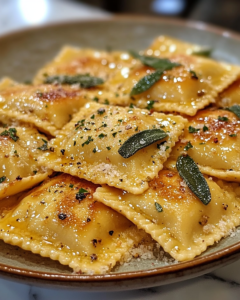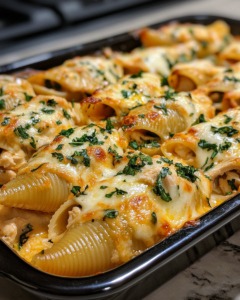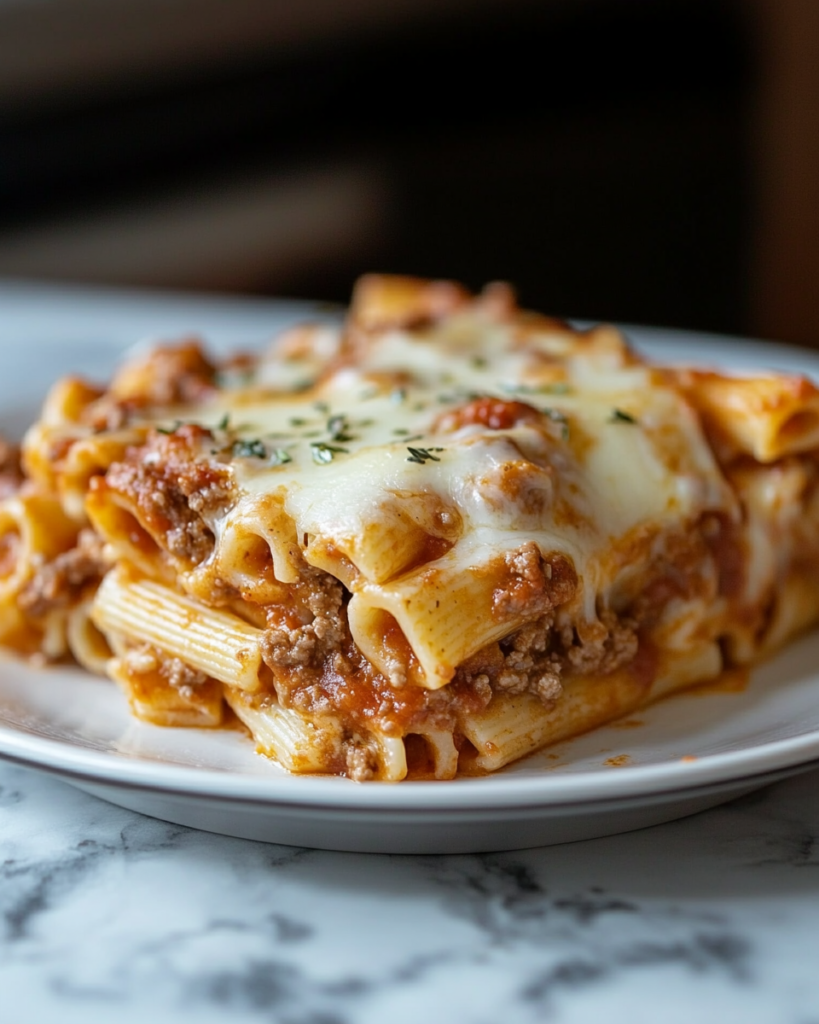
Warm, cheesy, and deeply satisfying, pasta casserole recipes bring together tender pasta, rich sauce, and melted cheese in a baked dish that feels like home on a plate. This style of cooking is loved for busy weeknights, family dinners, and make-ahead meals that taste even better the next day.
Pasta casserole recipes are flexible, forgiving, and perfect for using pantry staples in a creative way. Whether baked with ground meat, vegetables, or a creamy tomato base, the final dish always delivers a hearty, oven-baked experience with golden edges and a soft, saucy center.
The beauty of pasta casserole recipes lies in their structure. Cooked pasta is mixed with sauce, layered with cheese, and baked until bubbling. The oven transforms simple ingredients into a unified dish where every bite carries rich flavor and comforting texture.
Ingredients Overview
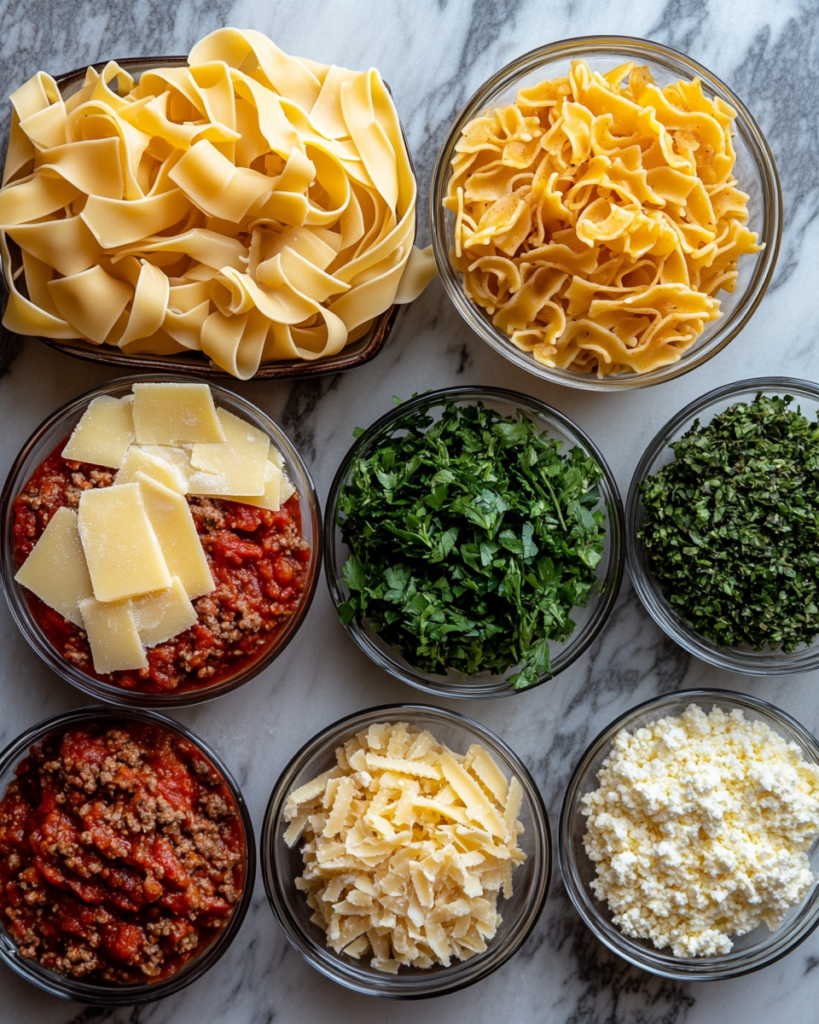
The foundation of pasta casserole recipes starts with pasta that holds its shape during baking. Short pasta like penne, rigatoni, or rotini works especially well because the ridges and curves catch the sauce. Overcooking the pasta should be avoided at the boiling stage since it continues to soften in the oven.
The sauce is the heart of the dish. A tomato-based marinara brings brightness and acidity, balancing the richness of cheese. For a creamier version, a blend of tomato sauce and heavy cream creates a velvety texture. Garlic and onion add depth, while herbs like oregano and basil give warmth and aroma.
Cheese plays a major role in binding everything together. Mozzarella melts into stretchy layers, while parmesan adds a salty, nutty finish. A small amount of cream cheese or ricotta can be added for extra creaminess in the middle layers.
Protein options like ground beef, chicken, or turkey make the casserole more filling. For a vegetarian version, mushrooms, zucchini, or spinach work beautifully. These ingredients absorb the sauce and add natural texture.
A small amount of olive oil helps sauté aromatics and prevents sticking. Seasoning with salt and pepper brings balance, while optional red pepper flakes add mild heat. Together, these ingredients create pasta casserole recipes that are rich, balanced, and deeply satisfying.
Ingredients
12 ounces penne pasta
1 pound ground beef or ground turkey
1 tablespoon olive oil
1 small onion, finely chopped
3 cloves garlic, minced
24 ounces marinara sauce
1/2 cup heavy cream
1 teaspoon dried oregano
1 teaspoon dried basil
1/2 teaspoon salt
1/4 teaspoon black pepper
1/2 teaspoon red pepper flakes (optional)
2 cups shredded mozzarella cheese
1/2 cup grated parmesan cheese
1/2 cup ricotta cheese (optional)
1 tablespoon butter for greasing baking dish
Fresh parsley, chopped (for topping)
Step-by-Step Instructions
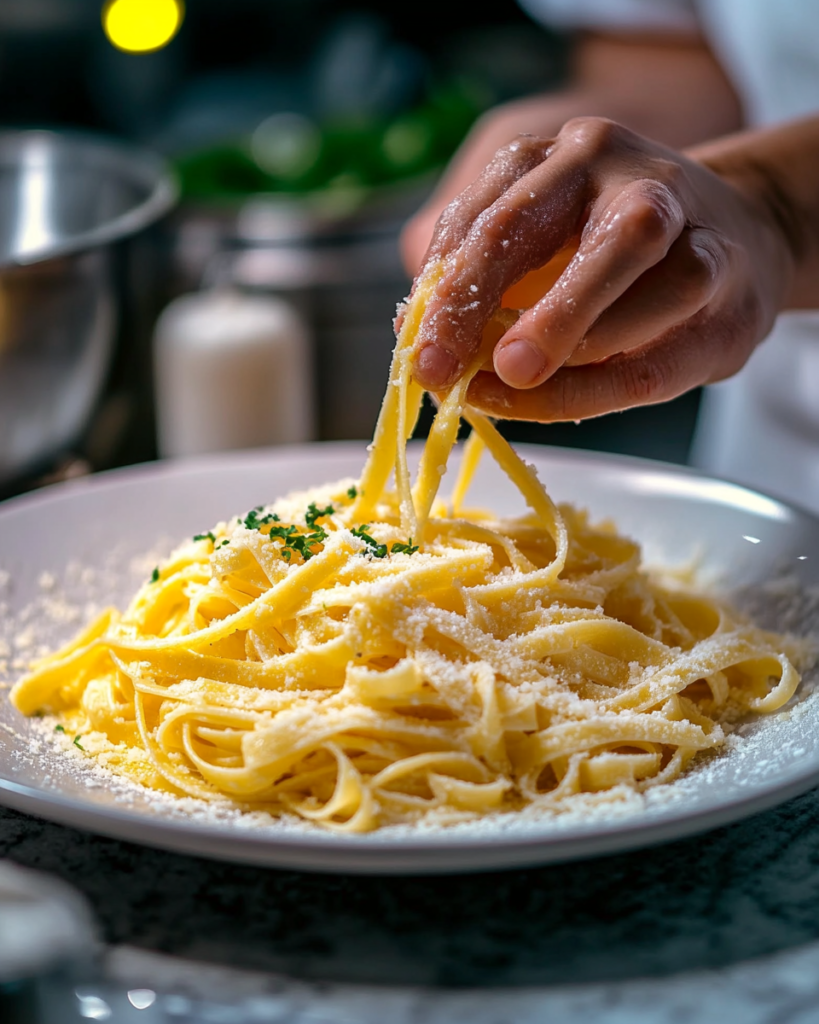
Start by heating a large pot of salted water until it reaches a steady boil. Add the penne pasta and cook until just al dente, meaning it still has a slight firmness in the center. Drain and set aside without rinsing, so the sauce adheres better later.
Place a large skillet over medium heat and add olive oil. Once warm, add the chopped onion and cook until it becomes soft and translucent. Stir in the minced garlic and cook briefly until fragrant, taking care not to let it brown.
Add the ground beef or turkey to the skillet. Break it apart with a spoon and cook until fully browned with no pink remaining. Drain excess fat if needed to keep the casserole from becoming too heavy.
Pour in the marinara sauce and stir well. Add heavy cream, oregano, basil, salt, black pepper, and red pepper flakes if using. Let the sauce simmer gently for several minutes until it thickens slightly and the flavors come together.
In a large mixing bowl, combine the cooked pasta with the meat sauce. Stir until every piece of pasta is coated. This step is important because it spreads flavor evenly throughout the casserole.
Preheat the oven to 375°F. Grease a baking dish with butter to prevent sticking. Spread half of the pasta mixture into the dish, then add spoonfuls of ricotta if using. Sprinkle a layer of mozzarella and parmesan over it.
Add the remaining pasta mixture on top, followed by the rest of the mozzarella and parmesan. Cover the dish with foil and bake for about 20 minutes. Then remove the foil and bake for another 10–15 minutes until the top becomes golden and bubbly.
Let the casserole rest for about 10 minutes before serving. This resting time helps the layers set, making it easier to slice and serve clean portions. Sprinkle fresh parsley on top for a bright finish.
Tips, Variations & Substitutions
Pasta casserole recipes work well with many ingredient swaps. Ground beef can be replaced with chicken, turkey, or plant-based crumbles for different flavor profiles. For a lighter version, use part-skim cheese and reduce the cream.
Vegetables like spinach, mushrooms, bell peppers, or zucchini can be added to the sauce for extra texture and balance. They also blend well with tomato and cheese flavors.
For a spicier version, increase red pepper flakes or add a small amount of chili paste to the sauce. For a milder taste, stick with herbs like basil and oregano without heat.
If preparing ahead of time, assemble the casserole and refrigerate it for up to 24 hours before baking. Add a few extra minutes to the baking time if starting from cold.
Gluten-free pasta can also be used, but it should be slightly undercooked before baking to maintain texture.
Serving Ideas & Occasions
Pasta casserole recipes fit well into casual dinners, potlucks, and family gatherings. They pair nicely with simple sides like green salad, roasted vegetables, or garlic bread.
A crisp salad with vinaigrette helps balance the richness of the baked pasta. Bread on the side is ideal for scooping up extra sauce and cheese.
This dish is also suitable for meal prep since it stores well and reheats without losing flavor. It is often served during cooler months when warm, baked meals are especially comforting.
Nutritional & Health Notes
Pasta casserole recipes provide a balance of carbohydrates, protein, and fats, making them filling and satisfying. Pasta offers energy-rich carbohydrates, while meat or plant-based protein contributes to fullness.
Cheese adds calcium and protein but also increases fat content, so portion size matters depending on dietary needs. Using lean meat and moderate cheese can create a lighter version.
Adding vegetables increases fiber, vitamins, and minerals, improving the overall nutritional profile. Tomato sauce contributes antioxidants like lycopene, which is naturally found in cooked tomatoes.
While this dish is rich, it can be adapted to different lifestyles by adjusting ingredients without losing its core comfort food appeal.
FAQs
What type of pasta works best for casserole?
Short pasta shapes like penne, rigatoni, and rotini work best in pasta casserole recipes because they hold sauce well and maintain structure during baking. Their shape allows the sauce and cheese to cling, creating consistent flavor in every bite. Long pasta can be used, but it may not hold layers as effectively and can become harder to serve neatly.
Can pasta casserole be made ahead of time?
Yes, pasta casserole recipes are excellent for make-ahead meals. You can assemble the entire dish, cover it tightly, and refrigerate it for up to 24 hours before baking. This resting time can actually deepen the flavor as the sauce absorbs into the pasta. When ready to bake, add a few extra minutes to the cooking time to account for the chilled temperature.
Can I freeze pasta casserole?
Pasta casserole freezes well both before and after baking. For best results, cool it completely, wrap tightly, and store for up to two months. When reheating, thaw overnight in the refrigerator and bake until heated through. The texture remains satisfying, though slightly softer than freshly baked versions.
How do I keep pasta from getting mushy?
To avoid mushy pasta, cook it only until al dente before mixing it with sauce. Since it continues cooking in the oven, slightly firm pasta holds its texture better. Also, avoid overloading with too much liquid sauce, as balance between pasta and sauce helps maintain structure.
Can I make pasta casserole vegetarian?
Yes, pasta casserole recipes can easily be made vegetarian by skipping meat and adding vegetables like spinach, mushrooms, zucchini, or eggplant. These ingredients absorb flavor well and create a hearty texture. Plant-based meat substitutes also work if a protein boost is desired.
What cheese works best in pasta casserole?
Mozzarella is the most commonly used cheese because it melts smoothly and creates a stretchy texture. Parmesan adds a salty finish, while ricotta gives creaminess between layers. A mix of these cheeses creates depth and richness in flavor.
Why does my casserole turn out dry?
A dry casserole usually happens when there is not enough sauce or the pasta absorbs too much liquid during baking. To fix this, add a bit more marinara or cream before baking. Covering the dish for part of the baking time also helps retain moisture.