Rich Creamy Alfredo Pasta (Authentic Style) 7 Amazing Comforting Classic

Posted on

Uncategorized

Difficulty

Prep time

Cooking time

Total time

Servings

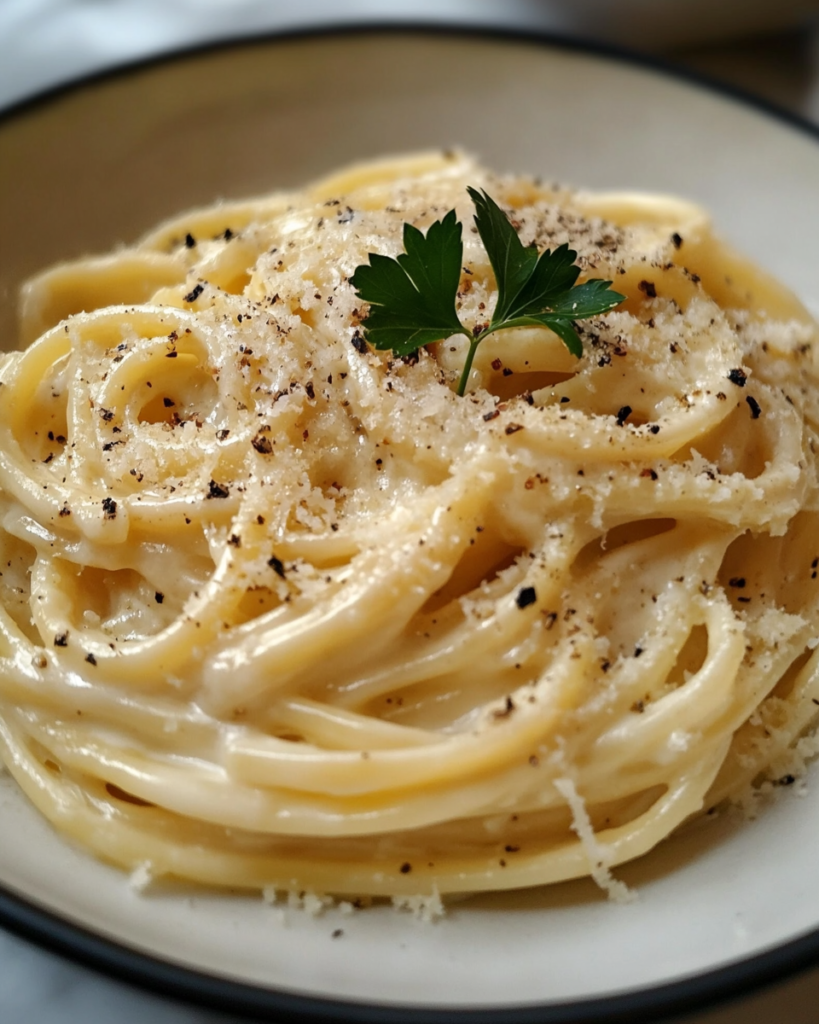
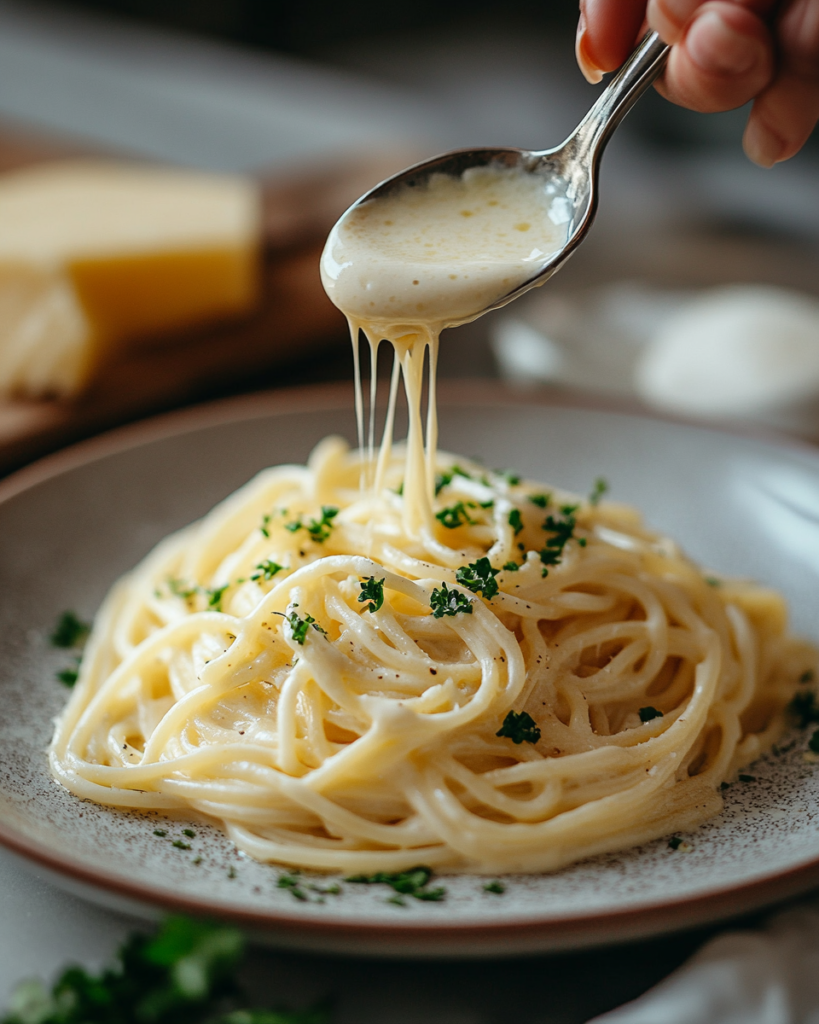
A Rich Creamy Alfredo Pasta (Authentic Style) plate brings smooth, velvety sauce wrapped around tender pasta strands in a classic Italian-inspired preparation. This dish focuses on a simple combination of butter, cream, and cheese that melts into a silky coating.

It delivers a comforting dining experience often associated with traditional Roman-style Alfredo, where technique and ingredient balance matter more than complexity. The sauce clings to each strand, creating a smooth texture that feels indulgent without heavy seasoning or unnecessary additions.

This version stays close to authentic preparation while offering a home-friendly method that works in everyday kitchens. The result is a warm, creamy pasta dish with depth from dairy richness and gentle seasoning.

Ingredients Overview
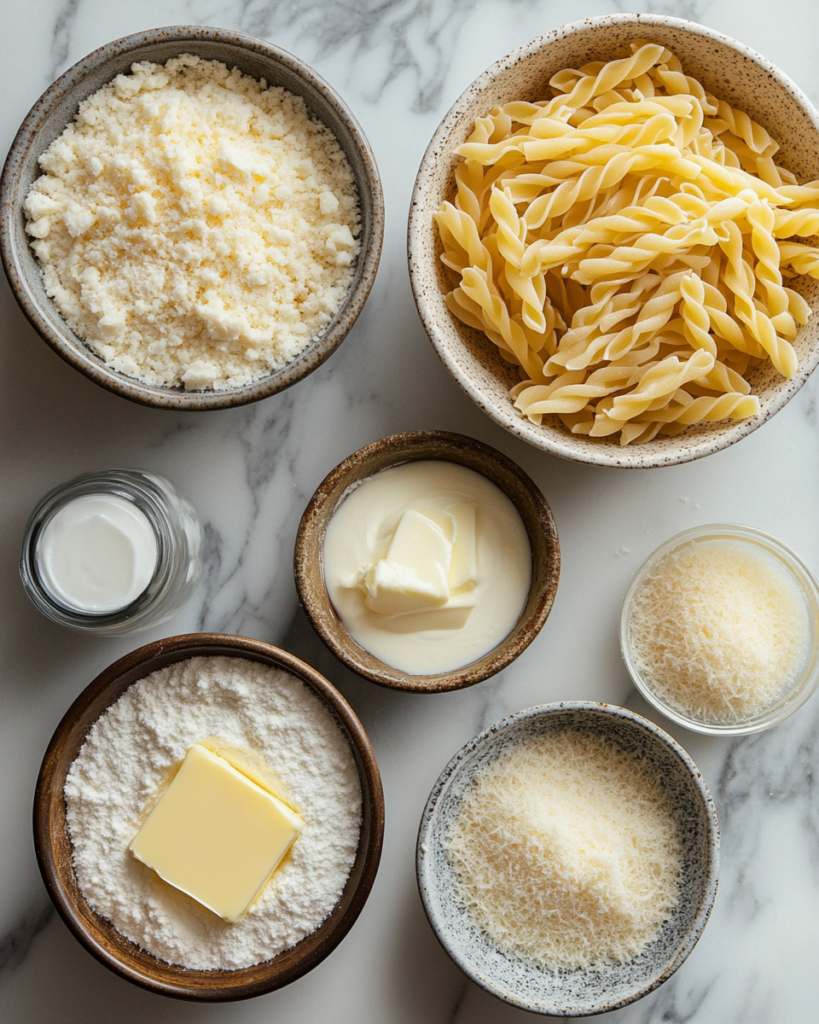
The foundation of Alfredo pasta relies on a few core ingredients that work together to create its signature creamy texture. Butter forms the base, melting into a smooth layer that carries flavor throughout the sauce. It also helps emulsify the mixture when combined with cheese and pasta water.

Heavy cream adds body and a soft richness, creating the velvety consistency associated with Alfredo. While traditional Roman versions rely more on butter and cheese, cream is commonly used in modern home cooking for stability and smoothness.

Freshly grated Parmesan cheese is essential for flavor and thickness. It melts into the sauce, adding a savory depth and slightly nutty finish. Pre-grated cheese is less ideal because it may not melt as smoothly.

Garlic offers a gentle aromatic layer. It should be lightly cooked to avoid bitterness, blending into the sauce without overpowering it.

Salt and black pepper provide balance, enhancing the dairy richness without overwhelming the palate.

Pasta choice matters as well. Fettuccine is the most traditional option due to its wide surface, which holds the sauce effectively. However, linguine or tagliatelle can also work well.

Reserved pasta water plays a key role in adjusting sauce texture. The starch helps bind the sauce, giving it a smooth, cohesive finish that coats the pasta evenly.

Together, these ingredients create a creamy, cohesive dish with a balanced flavor profile and soft, luxurious texture.

Ingredients

12 oz fettuccine pasta
4 tbsp unsalted butter
1 1/2 cups heavy cream
1 cup freshly grated Parmesan cheese
2 garlic cloves, finely minced
1/2 tsp salt
1/2 tsp black pepper
1/2 cup reserved pasta water
1 tbsp olive oil
Optional pinch of nutmeg

Step-by-Step Instructions
Begin by bringing a large pot of salted water to a steady boil. Add the fettuccine and cook until tender yet firm. Stir occasionally to prevent sticking. Before draining, reserve about half a cup of pasta water. Drain the pasta and set it aside.

Place a large skillet over medium heat. Add butter and olive oil, allowing the butter to melt fully. Once melted, add minced garlic and cook briefly until aromatic. Keep the heat controlled to prevent browning, as the goal is a gentle infusion rather than strong caramelization.

Pour in heavy cream and stir slowly. Allow the mixture to warm gradually until small bubbles form around the edges. Avoid boiling vigorously, as this can affect texture.

Lower the heat slightly and begin adding Parmesan cheese in small portions. Stir continuously so it melts smoothly into the cream. The sauce should start to thicken as the cheese incorporates.

Season with salt and black pepper. Taste lightly and adjust as needed. If desired, add a small pinch of nutmeg for subtle warmth.

Add the cooked fettuccine directly into the skillet. Toss gently using tongs so each strand becomes coated in sauce. If the mixture feels too thick, gradually add reserved pasta water a little at a time until the sauce reaches a silky consistency.

Continue tossing over low heat for a minute or two so the pasta absorbs flavor. The sauce should cling evenly without pooling at the bottom of the pan.

Remove from heat once the texture is smooth and cohesive. Let it rest briefly before serving so the sauce settles slightly onto the pasta strands.

Avoid overheating at any stage after cheese is added, as high heat can cause separation. The final dish should appear glossy, creamy, and evenly coated.

Tips, Variations & Substitutions

For a lighter version, replace part of the heavy cream with whole milk, though the sauce will be less thick. Increasing Parmesan can help restore body.

Chicken, shrimp, or sautéed mushrooms can be added for additional protein or texture. These should be cooked separately and folded in at the end.

For extra flavor depth, roasted garlic can replace fresh garlic. This adds a sweeter, mellow note to the sauce.

Gluten-free pasta works well, but cooking time and texture should be monitored closely to avoid over-softening.

Freshly grated cheese remains important for smooth melting. Pre-shredded versions may create a grainy texture due to anti-caking agents.

A small amount of pasta water is key for adjusting consistency, especially if the sauce thickens while resting.

Herbs like parsley can be sprinkled on top for freshness, though traditional Alfredo keeps seasoning minimal.

Serving Ideas & Occasions

This pasta pairs well with simple side dishes such as green salads, roasted vegetables, or lightly seasoned bread. The mild, creamy profile balances well with crisp or acidic sides.

It fits well for casual dinners, family meals, or relaxed gatherings where comfort food is appreciated. Its smooth texture and mild flavor make it widely appealing.

A glass of sparkling water or light white beverage pairs well, offering contrast to the creamy sauce.

It is often served fresh from the pan while the sauce remains warm and fluid, allowing the best texture experience.

Nutritional & Health Notes

Alfredo pasta is rich in dairy fats and provides a high-calorie meal option due to cream, butter, and cheese content. It offers protein from Parmesan and carbohydrates from pasta.

Portion balance is helpful when enjoying this dish, especially alongside vegetables or lighter sides. The creamy sauce contributes calcium and energy but should be enjoyed in moderation within a varied diet.

Adjustments such as reduced cream or smaller cheese quantities can slightly lighten the dish while keeping its signature texture.

FAQs

What type of pasta works best for this dish?

Fettuccine is traditionally used because its flat shape holds creamy sauce well. The wide surface allows the sauce to cling evenly, creating a balanced bite. Linguine or tagliatelle can also work if fettuccine is not available. The key is selecting pasta with enough surface area to support the thick sauce.

Can pre-grated cheese be used?

Freshly grated Parmesan is strongly preferred. Pre-grated cheese often contains additives that prevent smooth melting, which can result in a grainy texture. Fresh cheese blends more evenly into the warm cream and butter mixture, producing a smoother sauce.

Why does the sauce sometimes separate?

Separation usually occurs when heat is too high after adding cheese. Dairy fats can break under excessive heat. Keeping the temperature low and steady while incorporating cheese slowly helps maintain a smooth consistency.

Is milk a suitable replacement for cream?

Milk can be used, but the sauce will be thinner and less rich. To compensate, extra cheese or a small amount of butter can help improve thickness. The final texture will still be creamy but lighter.

Can proteins be added to this pasta?

Yes, cooked chicken, shrimp, or mushrooms pair well with Alfredo sauce. These should be prepared separately and mixed in at the end to avoid altering sauce texture during cooking.

How can sauce thickness be adjusted?

Reserved pasta water is the most effective tool for adjusting thickness. Adding small amounts gradually helps loosen the sauce while maintaining its silky texture. Stir continuously for best results.

What causes a grainy texture in the sauce?

A grainy texture often results from cheese that does not melt smoothly or from overheating. Using fresh Parmesan and keeping heat controlled prevents this issue. Stirring consistently during melting also helps maintain smoothness.

[rank_math_breadcrumb]

Rich Creamy Alfredo Pasta (Authentic Style) 7 Amazing Comforting Classic

Photo of author
Author: Carol
Published:

A Rich Creamy Alfredo Pasta (Authentic Style) plate brings smooth, velvety sauce wrapped around tender pasta strands in a classic Italian-inspired preparation. This dish focuses on a simple combination of butter, cream, and cheese that melts into a silky coating.

It delivers a comforting dining experience often associated with traditional Roman-style Alfredo, where technique and ingredient balance matter more than complexity. The sauce clings to each strand, creating a smooth texture that feels indulgent without heavy seasoning or unnecessary additions.

This version stays close to authentic preparation while offering a home-friendly method that works in everyday kitchens. The result is a warm, creamy pasta dish with depth from dairy richness and gentle seasoning.

Ingredients Overview

The foundation of Alfredo pasta relies on a few core ingredients that work together to create its signature creamy texture. Butter forms the base, melting into a smooth layer that carries flavor throughout the sauce. It also helps emulsify the mixture when combined with cheese and pasta water.

Heavy cream adds body and a soft richness, creating the velvety consistency associated with Alfredo. While traditional Roman versions rely more on butter and cheese, cream is commonly used in modern home cooking for stability and smoothness.

Freshly grated Parmesan cheese is essential for flavor and thickness. It melts into the sauce, adding a savory depth and slightly nutty finish. Pre-grated cheese is less ideal because it may not melt as smoothly.

Garlic offers a gentle aromatic layer. It should be lightly cooked to avoid bitterness, blending into the sauce without overpowering it.

Salt and black pepper provide balance, enhancing the dairy richness without overwhelming the palate.

Pasta choice matters as well. Fettuccine is the most traditional option due to its wide surface, which holds the sauce effectively. However, linguine or tagliatelle can also work well.

Reserved pasta water plays a key role in adjusting sauce texture. The starch helps bind the sauce, giving it a smooth, cohesive finish that coats the pasta evenly.

Together, these ingredients create a creamy, cohesive dish with a balanced flavor profile and soft, luxurious texture.

Ingredients

12 oz fettuccine pasta
4 tbsp unsalted butter
1 1/2 cups heavy cream
1 cup freshly grated Parmesan cheese
2 garlic cloves, finely minced
1/2 tsp salt
1/2 tsp black pepper
1/2 cup reserved pasta water
1 tbsp olive oil
Optional pinch of nutmeg

Step-by-Step Instructions

Begin by bringing a large pot of salted water to a steady boil. Add the fettuccine and cook until tender yet firm. Stir occasionally to prevent sticking. Before draining, reserve about half a cup of pasta water. Drain the pasta and set it aside.

Place a large skillet over medium heat. Add butter and olive oil, allowing the butter to melt fully. Once melted, add minced garlic and cook briefly until aromatic. Keep the heat controlled to prevent browning, as the goal is a gentle infusion rather than strong caramelization.

Pour in heavy cream and stir slowly. Allow the mixture to warm gradually until small bubbles form around the edges. Avoid boiling vigorously, as this can affect texture.

Lower the heat slightly and begin adding Parmesan cheese in small portions. Stir continuously so it melts smoothly into the cream. The sauce should start to thicken as the cheese incorporates.

Season with salt and black pepper. Taste lightly and adjust as needed. If desired, add a small pinch of nutmeg for subtle warmth.

Add the cooked fettuccine directly into the skillet. Toss gently using tongs so each strand becomes coated in sauce. If the mixture feels too thick, gradually add reserved pasta water a little at a time until the sauce reaches a silky consistency.

Continue tossing over low heat for a minute or two so the pasta absorbs flavor. The sauce should cling evenly without pooling at the bottom of the pan.

Remove from heat once the texture is smooth and cohesive. Let it rest briefly before serving so the sauce settles slightly onto the pasta strands.

Avoid overheating at any stage after cheese is added, as high heat can cause separation. The final dish should appear glossy, creamy, and evenly coated.

Tips, Variations & Substitutions

For a lighter version, replace part of the heavy cream with whole milk, though the sauce will be less thick. Increasing Parmesan can help restore body.

Chicken, shrimp, or sautéed mushrooms can be added for additional protein or texture. These should be cooked separately and folded in at the end.

For extra flavor depth, roasted garlic can replace fresh garlic. This adds a sweeter, mellow note to the sauce.

Gluten-free pasta works well, but cooking time and texture should be monitored closely to avoid over-softening.

Freshly grated cheese remains important for smooth melting. Pre-shredded versions may create a grainy texture due to anti-caking agents.

A small amount of pasta water is key for adjusting consistency, especially if the sauce thickens while resting.

Herbs like parsley can be sprinkled on top for freshness, though traditional Alfredo keeps seasoning minimal.

Serving Ideas & Occasions

This pasta pairs well with simple side dishes such as green salads, roasted vegetables, or lightly seasoned bread. The mild, creamy profile balances well with crisp or acidic sides.

It fits well for casual dinners, family meals, or relaxed gatherings where comfort food is appreciated. Its smooth texture and mild flavor make it widely appealing.

A glass of sparkling water or light white beverage pairs well, offering contrast to the creamy sauce.

It is often served fresh from the pan while the sauce remains warm and fluid, allowing the best texture experience.

Nutritional & Health Notes

Alfredo pasta is rich in dairy fats and provides a high-calorie meal option due to cream, butter, and cheese content. It offers protein from Parmesan and carbohydrates from pasta.

Portion balance is helpful when enjoying this dish, especially alongside vegetables or lighter sides. The creamy sauce contributes calcium and energy but should be enjoyed in moderation within a varied diet.

Adjustments such as reduced cream or smaller cheese quantities can slightly lighten the dish while keeping its signature texture.

FAQs

What type of pasta works best for this dish?

Fettuccine is traditionally used because its flat shape holds creamy sauce well. The wide surface allows the sauce to cling evenly, creating a balanced bite. Linguine or tagliatelle can also work if fettuccine is not available. The key is selecting pasta with enough surface area to support the thick sauce.

Can pre-grated cheese be used?

Freshly grated Parmesan is strongly preferred. Pre-grated cheese often contains additives that prevent smooth melting, which can result in a grainy texture. Fresh cheese blends more evenly into the warm cream and butter mixture, producing a smoother sauce.

Why does the sauce sometimes separate?

Separation usually occurs when heat is too high after adding cheese. Dairy fats can break under excessive heat. Keeping the temperature low and steady while incorporating cheese slowly helps maintain a smooth consistency.

Is milk a suitable replacement for cream?

Milk can be used, but the sauce will be thinner and less rich. To compensate, extra cheese or a small amount of butter can help improve thickness. The final texture will still be creamy but lighter.

Can proteins be added to this pasta?

Yes, cooked chicken, shrimp, or mushrooms pair well with Alfredo sauce. These should be prepared separately and mixed in at the end to avoid altering sauce texture during cooking.

How can sauce thickness be adjusted?

Reserved pasta water is the most effective tool for adjusting thickness. Adding small amounts gradually helps loosen the sauce while maintaining its silky texture. Stir continuously for best results.

What causes a grainy texture in the sauce?

A grainy texture often results from cheese that does not melt smoothly or from overheating. Using fresh Parmesan and keeping heat controlled prevents this issue. Stirring consistently during melting also helps maintain smoothness.
Name

Lorem ipsum dolor sit amet, consectetur adipiscing elit. Suspendisse varius enim in eros elementum tristique. Duis cursus, mi quis viverra ornare, eros dolor interdum nulla, ut commodo diam libero vitae erat.

You Might Also Like...

Lemon Herb Chicken Bowtie Pasta 5 Simple Surprising Meal

Lemon Herb Chicken Bowtie Pasta 5 Simple Surprising Meal

Chicken Scampi Angel Hair 7 Simple Creamy Delight

Chicken Scampi Angel Hair 7 Simple Creamy Delight

Chicken Alfredo Spinach Bake 5 Simple Cozy Comfort

Chicken Alfredo Spinach Bake 5 Simple Cozy Comfort

Homestyle Chicken Noodle Skillet 30-Min Simple Fearless

Homestyle Chicken Noodle Skillet 30-Min Simple Fearless

Tags:

You might also like these recipes

Leave a Comment