Sausage pasta skillet 7 Simple Cozy Dish

Posted on

Beef

Difficulty

Prep time

Cooking time

Total time

Servings

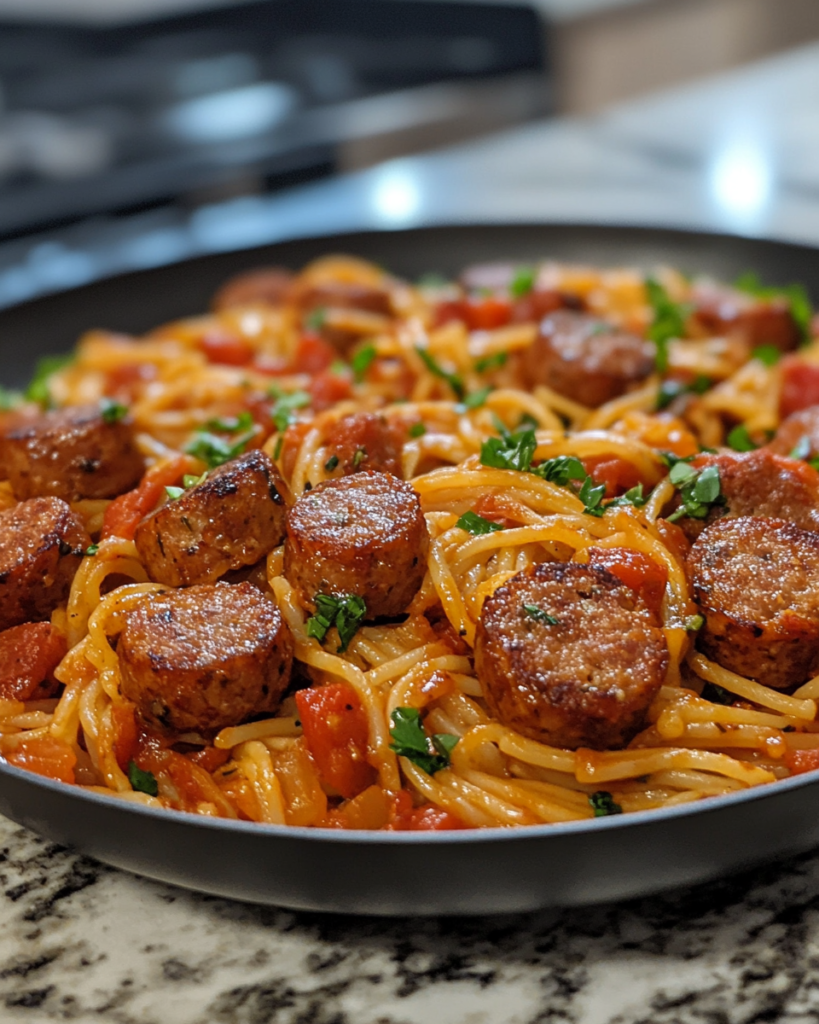
A sausage pasta skillet brings together pasta, seasoned sausage, and a savory tomato base in one pan. This dish centers on browned sausage pieces mingled with tender pasta, creating a unified skillet meal with rich depth and comforting aroma.

The method relies on cooking everything in a single wide pan so flavors blend during simmering. Pasta absorbs the sauce while sausage releases seasoning into the base, forming a balanced bite in every portion.

This style of dish is often prepared for busy evenings because it reduces steps while still delivering a filling result. The texture combination of soft pasta and hearty sausage gives each forkful structure and richness without complexity in preparation.

Ingredients Overview
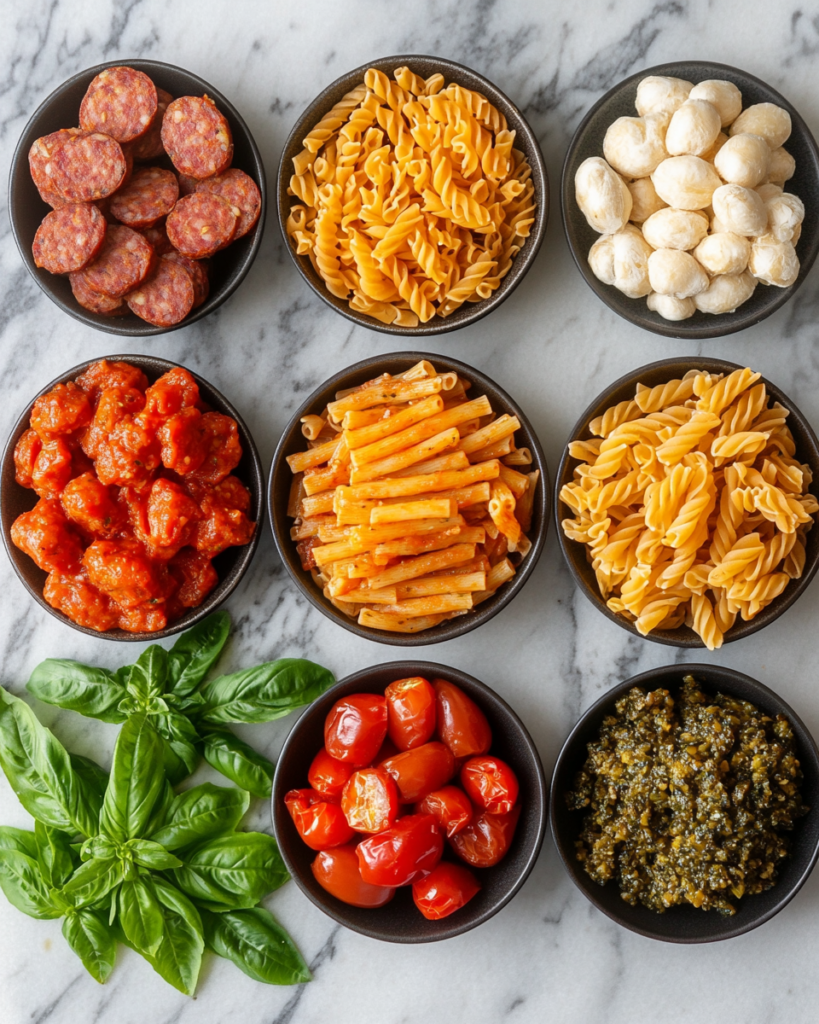
Sausage forms the backbone of this skillet, bringing salt, fat, and spice. Pork sausage is common, though chicken or turkey sausage can also be used for a lighter profile. When sliced or crumbled, sausage browns quickly and releases flavorful oils that form the base of the sauce.

Pasta works as the structure of the dish. Short shapes such as penne or rotini hold sauce within their curves and ridges. These shapes also keep their firmness after simmering, which is important for skillet cooking where pasta finishes directly in sauce.

Tomato sauce provides moisture and acidity, balancing the richness of sausage. Crushed tomatoes or passata both work well, depending on preferred texture. Garlic and onion add aromatic depth, building flavor during the early sauté stage.

A small amount of broth helps the pasta cook evenly in the skillet while absorbing flavor. Olive oil supports browning at the beginning, though sausage fat often reduces the need for extra oil.

Herbs such as basil and oregano add a mild earthy note. Cheese such as Parmesan finishes the dish with a salty, nutty layer. Salt and black pepper adjust seasoning at the end.

Ingredients

12 ounces penne pasta
1 pound Italian sausage, sliced or crumbled
1 tablespoon olive oil
1 small onion, diced
3 cloves garlic, minced
1 teaspoon dried oregano
1 teaspoon dried basil
1/2 teaspoon crushed red pepper flakes
1 can (15 ounces) crushed tomatoes
2 cups chicken broth
1/2 teaspoon salt
1/4 teaspoon black pepper
1/2 cup grated Parmesan cheese
2 tablespoons chopped parsley

Step-by-Step Instructions
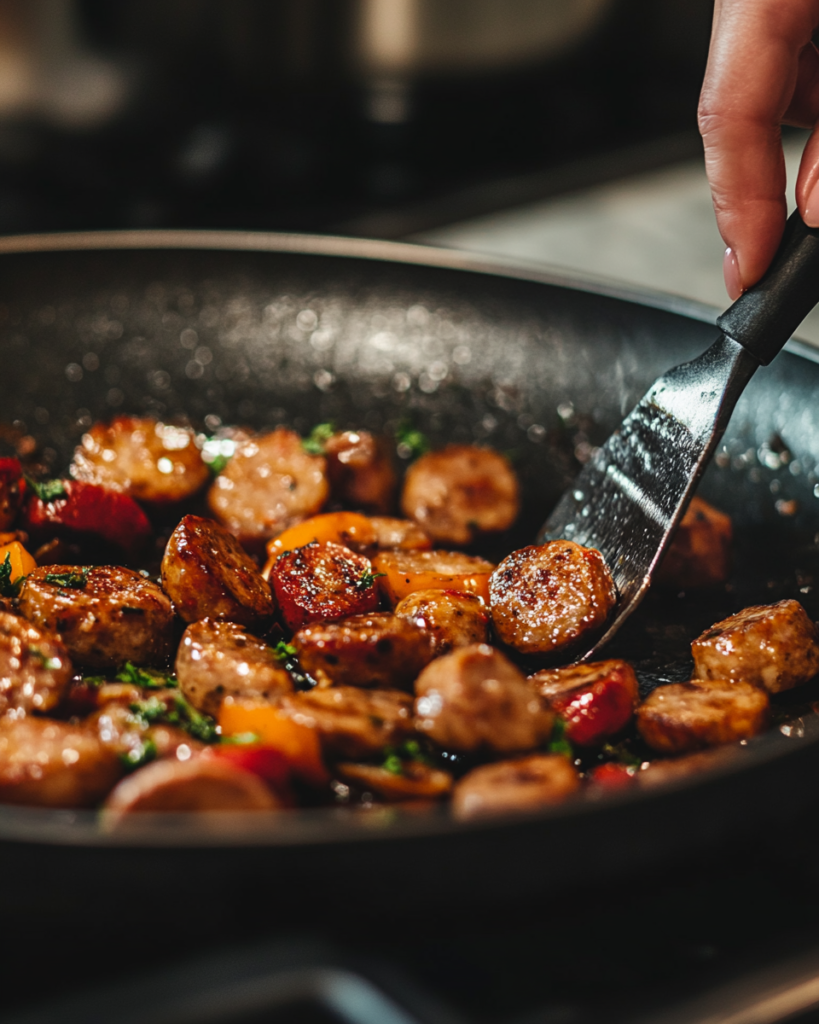
Begin by setting a wide skillet on medium heat. Add sausage pieces and allow them to brown on all sides. Stir occasionally so surfaces develop color. Once browned, transfer sausage to a plate and leave rendered fat in the skillet.

Place diced onion into the same skillet. Stir and allow it to soften in the remaining fat. After a few minutes, add garlic and stir briefly until aromatic. Avoid prolonged cooking at this stage to prevent bitterness.

Sprinkle in oregano, basil, and red pepper flakes. Stir so dried herbs release aroma into the base. Pour crushed tomatoes into the skillet and mix thoroughly with onion and garlic.

Add chicken broth and bring the mixture to a steady simmer. Pour in uncooked pasta and stir so pieces remain submerged. Allow pasta to cook directly in the sauce, stirring occasionally to prevent sticking at the bottom.

Return browned sausage to the skillet. Continue simmering until pasta reaches a tender yet firm texture. Most liquid will reduce into a thick sauce that coats pasta and sausage evenly.

Season with salt and black pepper near the end of cooking. Stir gently to distribute seasoning. If sauce becomes too thick, add a small splash of broth to adjust consistency.

Once pasta reaches desired texture, remove skillet from heat. Sprinkle Parmesan over the surface and allow it to melt into the sauce. Finish with chopped parsley for a fresh aromatic layer.

Serve directly from the skillet while warm. The sauce should cling to pasta while sausage remains evenly distributed throughout.

Tips, Variations & Substitutions

Different sausage styles can shift flavor direction. Spicy sausage brings heat, while mild sausage creates a softer profile. Chicken sausage works for a lighter result without changing preparation steps.

Pasta shapes with ridges or spirals hold sauce well, though other short pasta types can also be used. Longer pasta is less suitable because it tends to clump in skillet cooking.

For added vegetables, spinach or diced bell peppers can be stirred in during the simmer stage. These additions blend into the sauce without changing cooking time significantly.

A creamier version can be created by stirring in a small amount of heavy cream near the end of cooking. This softens acidity from tomatoes and produces a smoother sauce texture.

For a sharper finish, extra Parmesan can be added just before serving. Herbs such as thyme or rosemary can also replace basil and oregano for a different aromatic profile.

Serving Ideas & Occasions

This skillet dish pairs well with simple side items such as crusty bread or a light green salad. Bread helps collect remaining sauce from the pan, while salad adds contrast in texture.

It is often prepared for evening meals when a single-pan approach fits a relaxed cooking rhythm. The dish also works well for shared dining because it stays warm in the skillet during serving.

A light beverage such as sparkling water or a mild iced tea pairs smoothly with the rich sauce and sausage combination.

Leftovers hold their texture well after refrigeration, as pasta continues to absorb sauce flavor.

Nutritional & Health Notes

Sausage pasta skillet provides a balanced mix of carbohydrates, protein, and fat. Pasta contributes energy from carbohydrates, while sausage supplies protein and fats that increase satiety.

Tomatoes add natural acidity along with vitamins such as vitamin C and potassium. Garlic and onion provide small amounts of beneficial plant compounds that support overall dietary variety.

Cheese adds calcium and protein, though portion size influences overall richness. Adjusting sausage type or reducing cheese allows flexibility in fat content.

This dish is hearty and filling, often suited for meals where sustained energy is desired. Portion control can balance overall intake depending on dietary goals.

FAQs

What pasta shapes work well in sausage pasta skillet?

Short pasta shapes perform best in this skillet preparation. Penne, rotini, and rigatoni hold sauce inside their structure, which improves flavor distribution across each bite. These shapes also remain firm during simmering in liquid. Longer pasta tends to clump or cook unevenly in a skillet environment, so it is less suitable for this method. The goal is consistent texture and even absorption of sauce during cooking.

Can chicken sausage replace pork sausage?

Chicken sausage can replace pork sausage without changing cooking steps. It produces a lighter flavor profile and slightly lower fat content. The browning process remains the same, allowing surface caramelization that contributes depth to the sauce base. Seasoned chicken sausage varieties work especially well since they already contain herbs and spices that blend into tomato sauce during simmering.

What keeps pasta from turning soft in the skillet?

Controlled simmering prevents pasta from becoming overly soft. Stirring occasionally helps distribute heat evenly while avoiding sticking. Cooking pasta directly in sauce allows gradual absorption of liquid rather than overboiling in separate water. Monitoring texture during the final minutes is important, as pasta continues to soften slightly after heat is removed from the skillet.

Can vegetables be added to this dish?

Vegetables can be included without changing cooking structure. Bell peppers, spinach, or zucchini integrate well into the sauce. Firmer vegetables such as peppers should be added earlier during simmering, while leafy greens such as spinach are best stirred in near the end so texture remains intact. This allows vegetable flavor to blend without overpowering sausage or tomato base.

What type of skillet works best?

A wide, deep skillet with heavy base material works best for even heat distribution. Cast iron or stainless steel skillets hold heat consistently, which helps brown sausage properly and maintain steady simmering for pasta. Nonstick skillets can also be used, though browning may be less pronounced compared to heavier materials.

Can cream be added to the sauce?

Cream can be stirred in near the end of cooking for a smoother texture. It softens tomato acidity and creates a richer sauce consistency. Only a small amount is needed to avoid thinning the skillet mixture. It should be added after heat is lowered to prevent separation. This variation produces a cream-style sausage pasta skillet.

How should leftovers be stored and reheated?

Leftovers should be placed in a sealed container after cooling. Refrigeration preserves texture for several days. When reheating, a small splash of broth or water helps loosen sauce that thickens during storage. Gentle heating on stovetop or microwave works well, with occasional stirring to distribute heat evenly across pasta and sausage.

[rank_math_breadcrumb]

Sausage pasta skillet 7 Simple Cozy Dish

Photo of author
Author: ahmed va
Published:

A sausage pasta skillet brings together pasta, seasoned sausage, and a savory tomato base in one pan. This dish centers on browned sausage pieces mingled with tender pasta, creating a unified skillet meal with rich depth and comforting aroma.

The method relies on cooking everything in a single wide pan so flavors blend during simmering. Pasta absorbs the sauce while sausage releases seasoning into the base, forming a balanced bite in every portion.

This style of dish is often prepared for busy evenings because it reduces steps while still delivering a filling result. The texture combination of soft pasta and hearty sausage gives each forkful structure and richness without complexity in preparation.

Ingredients Overview

Sausage forms the backbone of this skillet, bringing salt, fat, and spice. Pork sausage is common, though chicken or turkey sausage can also be used for a lighter profile. When sliced or crumbled, sausage browns quickly and releases flavorful oils that form the base of the sauce.

Pasta works as the structure of the dish. Short shapes such as penne or rotini hold sauce within their curves and ridges. These shapes also keep their firmness after simmering, which is important for skillet cooking where pasta finishes directly in sauce.

Tomato sauce provides moisture and acidity, balancing the richness of sausage. Crushed tomatoes or passata both work well, depending on preferred texture. Garlic and onion add aromatic depth, building flavor during the early sauté stage.

A small amount of broth helps the pasta cook evenly in the skillet while absorbing flavor. Olive oil supports browning at the beginning, though sausage fat often reduces the need for extra oil.

Herbs such as basil and oregano add a mild earthy note. Cheese such as Parmesan finishes the dish with a salty, nutty layer. Salt and black pepper adjust seasoning at the end.

Ingredients

12 ounces penne pasta
1 pound Italian sausage, sliced or crumbled
1 tablespoon olive oil
1 small onion, diced
3 cloves garlic, minced
1 teaspoon dried oregano
1 teaspoon dried basil
1/2 teaspoon crushed red pepper flakes
1 can (15 ounces) crushed tomatoes
2 cups chicken broth
1/2 teaspoon salt
1/4 teaspoon black pepper
1/2 cup grated Parmesan cheese
2 tablespoons chopped parsley

Step-by-Step Instructions

Begin by setting a wide skillet on medium heat. Add sausage pieces and allow them to brown on all sides. Stir occasionally so surfaces develop color. Once browned, transfer sausage to a plate and leave rendered fat in the skillet.

Place diced onion into the same skillet. Stir and allow it to soften in the remaining fat. After a few minutes, add garlic and stir briefly until aromatic. Avoid prolonged cooking at this stage to prevent bitterness.

Sprinkle in oregano, basil, and red pepper flakes. Stir so dried herbs release aroma into the base. Pour crushed tomatoes into the skillet and mix thoroughly with onion and garlic.

Add chicken broth and bring the mixture to a steady simmer. Pour in uncooked pasta and stir so pieces remain submerged. Allow pasta to cook directly in the sauce, stirring occasionally to prevent sticking at the bottom.

Return browned sausage to the skillet. Continue simmering until pasta reaches a tender yet firm texture. Most liquid will reduce into a thick sauce that coats pasta and sausage evenly.

Season with salt and black pepper near the end of cooking. Stir gently to distribute seasoning. If sauce becomes too thick, add a small splash of broth to adjust consistency.

Once pasta reaches desired texture, remove skillet from heat. Sprinkle Parmesan over the surface and allow it to melt into the sauce. Finish with chopped parsley for a fresh aromatic layer.

Serve directly from the skillet while warm. The sauce should cling to pasta while sausage remains evenly distributed throughout.

Tips, Variations & Substitutions

Different sausage styles can shift flavor direction. Spicy sausage brings heat, while mild sausage creates a softer profile. Chicken sausage works for a lighter result without changing preparation steps.

Pasta shapes with ridges or spirals hold sauce well, though other short pasta types can also be used. Longer pasta is less suitable because it tends to clump in skillet cooking.

For added vegetables, spinach or diced bell peppers can be stirred in during the simmer stage. These additions blend into the sauce without changing cooking time significantly.

A creamier version can be created by stirring in a small amount of heavy cream near the end of cooking. This softens acidity from tomatoes and produces a smoother sauce texture.

For a sharper finish, extra Parmesan can be added just before serving. Herbs such as thyme or rosemary can also replace basil and oregano for a different aromatic profile.

Serving Ideas & Occasions

This skillet dish pairs well with simple side items such as crusty bread or a light green salad. Bread helps collect remaining sauce from the pan, while salad adds contrast in texture.

It is often prepared for evening meals when a single-pan approach fits a relaxed cooking rhythm. The dish also works well for shared dining because it stays warm in the skillet during serving.

A light beverage such as sparkling water or a mild iced tea pairs smoothly with the rich sauce and sausage combination.

Leftovers hold their texture well after refrigeration, as pasta continues to absorb sauce flavor.

Nutritional & Health Notes

Sausage pasta skillet provides a balanced mix of carbohydrates, protein, and fat. Pasta contributes energy from carbohydrates, while sausage supplies protein and fats that increase satiety.

Tomatoes add natural acidity along with vitamins such as vitamin C and potassium. Garlic and onion provide small amounts of beneficial plant compounds that support overall dietary variety.

Cheese adds calcium and protein, though portion size influences overall richness. Adjusting sausage type or reducing cheese allows flexibility in fat content.

This dish is hearty and filling, often suited for meals where sustained energy is desired. Portion control can balance overall intake depending on dietary goals.

FAQs

What pasta shapes work well in sausage pasta skillet?

Short pasta shapes perform best in this skillet preparation. Penne, rotini, and rigatoni hold sauce inside their structure, which improves flavor distribution across each bite. These shapes also remain firm during simmering in liquid. Longer pasta tends to clump or cook unevenly in a skillet environment, so it is less suitable for this method. The goal is consistent texture and even absorption of sauce during cooking.

Can chicken sausage replace pork sausage?

Chicken sausage can replace pork sausage without changing cooking steps. It produces a lighter flavor profile and slightly lower fat content. The browning process remains the same, allowing surface caramelization that contributes depth to the sauce base. Seasoned chicken sausage varieties work especially well since they already contain herbs and spices that blend into tomato sauce during simmering.

What keeps pasta from turning soft in the skillet?

Controlled simmering prevents pasta from becoming overly soft. Stirring occasionally helps distribute heat evenly while avoiding sticking. Cooking pasta directly in sauce allows gradual absorption of liquid rather than overboiling in separate water. Monitoring texture during the final minutes is important, as pasta continues to soften slightly after heat is removed from the skillet.

Can vegetables be added to this dish?

Vegetables can be included without changing cooking structure. Bell peppers, spinach, or zucchini integrate well into the sauce. Firmer vegetables such as peppers should be added earlier during simmering, while leafy greens such as spinach are best stirred in near the end so texture remains intact. This allows vegetable flavor to blend without overpowering sausage or tomato base.

What type of skillet works best?

A wide, deep skillet with heavy base material works best for even heat distribution. Cast iron or stainless steel skillets hold heat consistently, which helps brown sausage properly and maintain steady simmering for pasta. Nonstick skillets can also be used, though browning may be less pronounced compared to heavier materials.

Can cream be added to the sauce?

Cream can be stirred in near the end of cooking for a smoother texture. It softens tomato acidity and creates a richer sauce consistency. Only a small amount is needed to avoid thinning the skillet mixture. It should be added after heat is lowered to prevent separation. This variation produces a cream-style sausage pasta skillet.

How should leftovers be stored and reheated?

Leftovers should be placed in a sealed container after cooling. Refrigeration preserves texture for several days. When reheating, a small splash of broth or water helps loosen sauce that thickens during storage. Gentle heating on stovetop or microwave works well, with occasional stirring to distribute heat evenly across pasta and sausage.
Name

Lorem ipsum dolor sit amet, consectetur adipiscing elit. Suspendisse varius enim in eros elementum tristique. Duis cursus, mi quis viverra ornare, eros dolor interdum nulla, ut commodo diam libero vitae erat.

You Might Also Like...

Protein-packed pasta bowl 7 Quick Surprising Simple

Protein-packed pasta bowl 7 Quick Surprising Simple

Shrimp Alfredo Pasta 5 Simple Surprising Creamy Pasta

Shrimp Alfredo Pasta 5 Simple Surprising Creamy Pasta

Beef meat sauce pasta 7 Simple Comforting Joyful Recipe

Beef meat sauce pasta 7 Simple Comforting Joyful Recipe

Chicken Garlic Pasta 7 Quick Devoted Recipe

Chicken Garlic Pasta 7 Quick Devoted Recipe

Tags:

You might also like these recipes

Leave a Comment