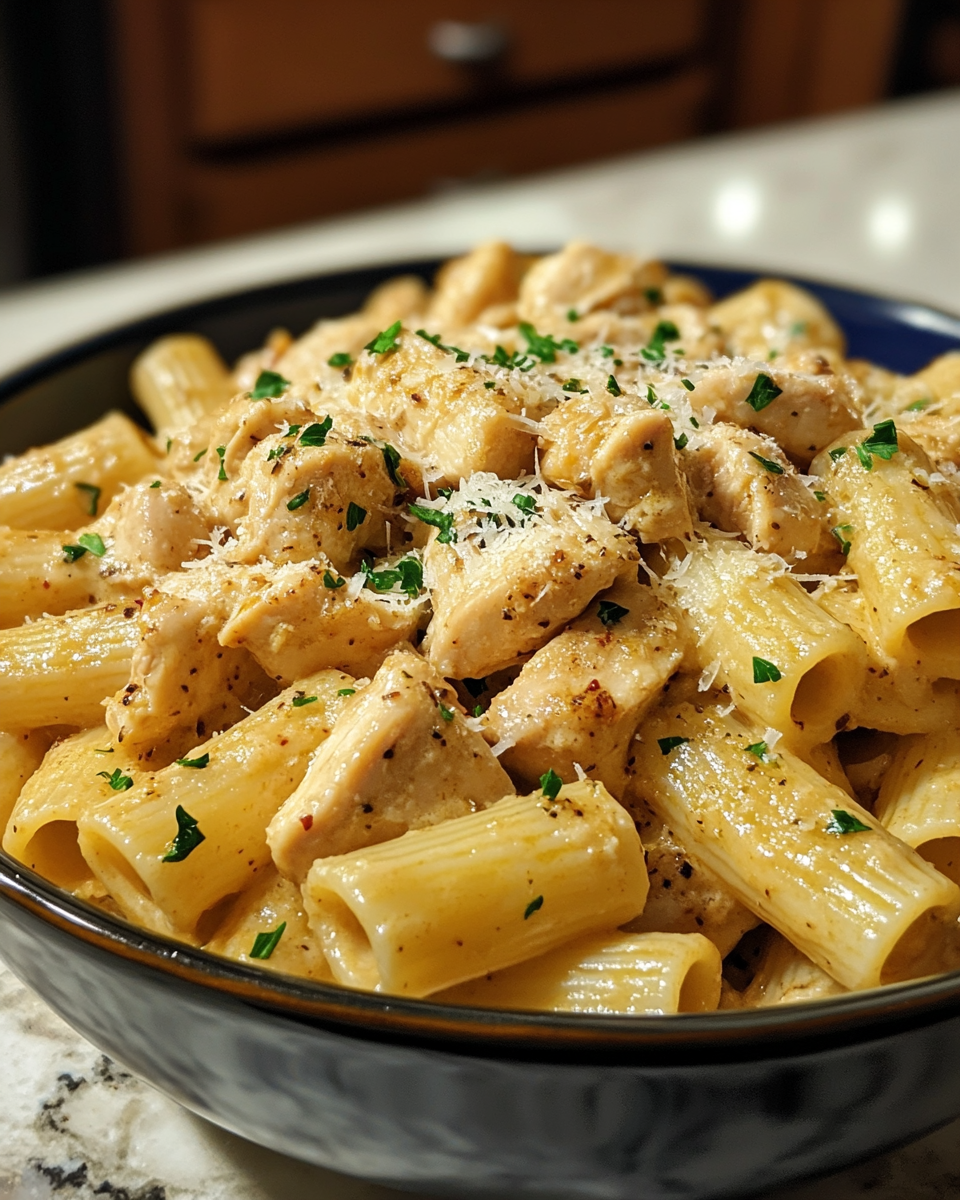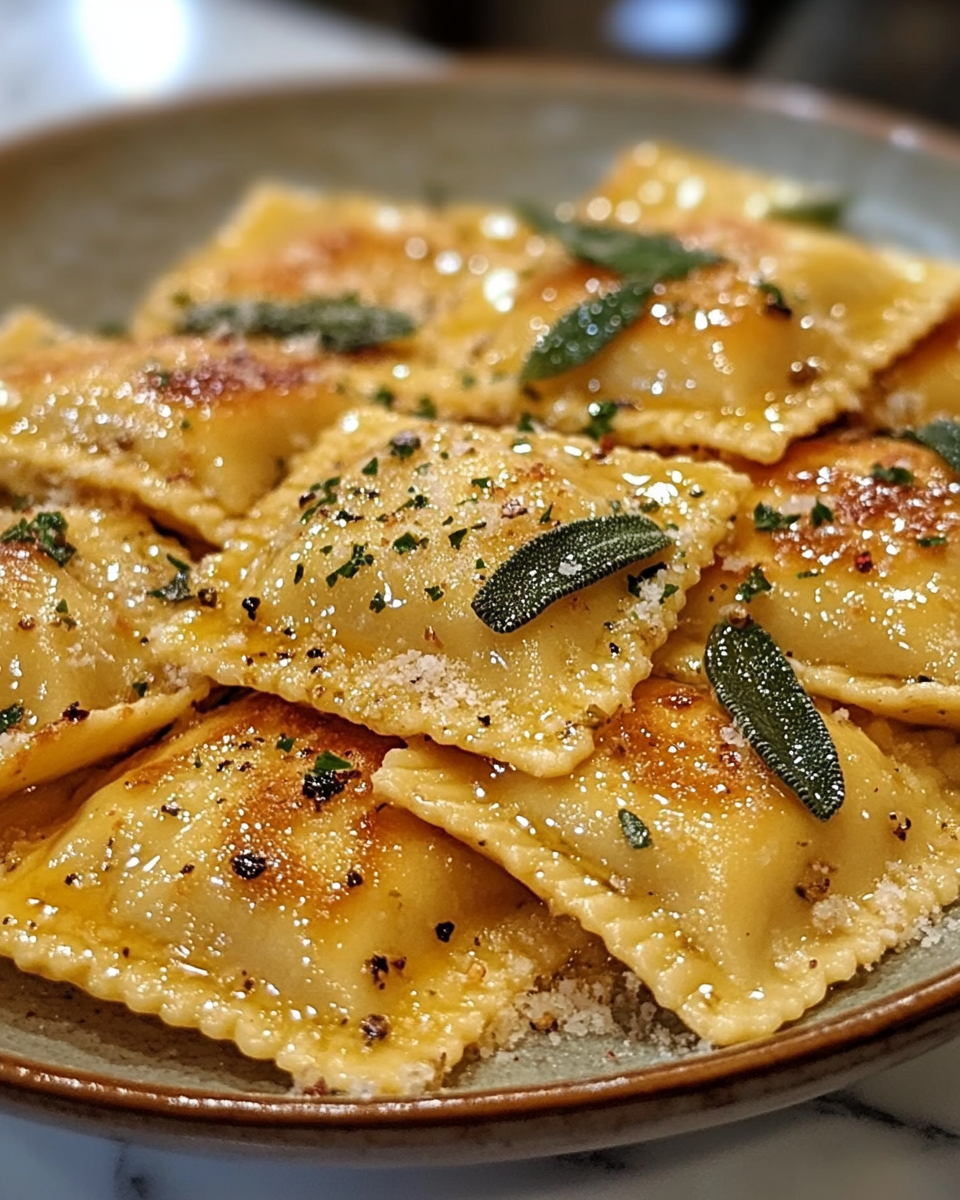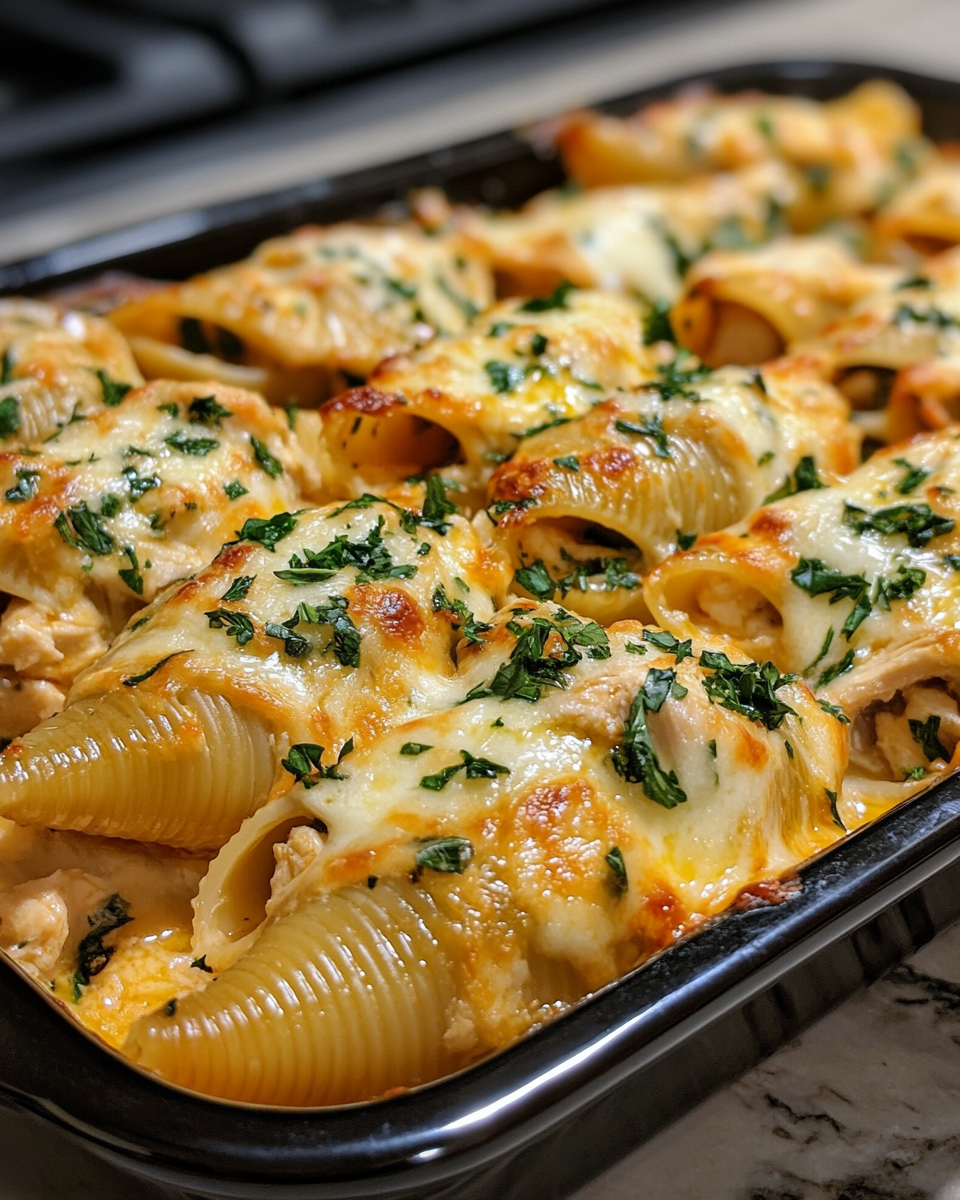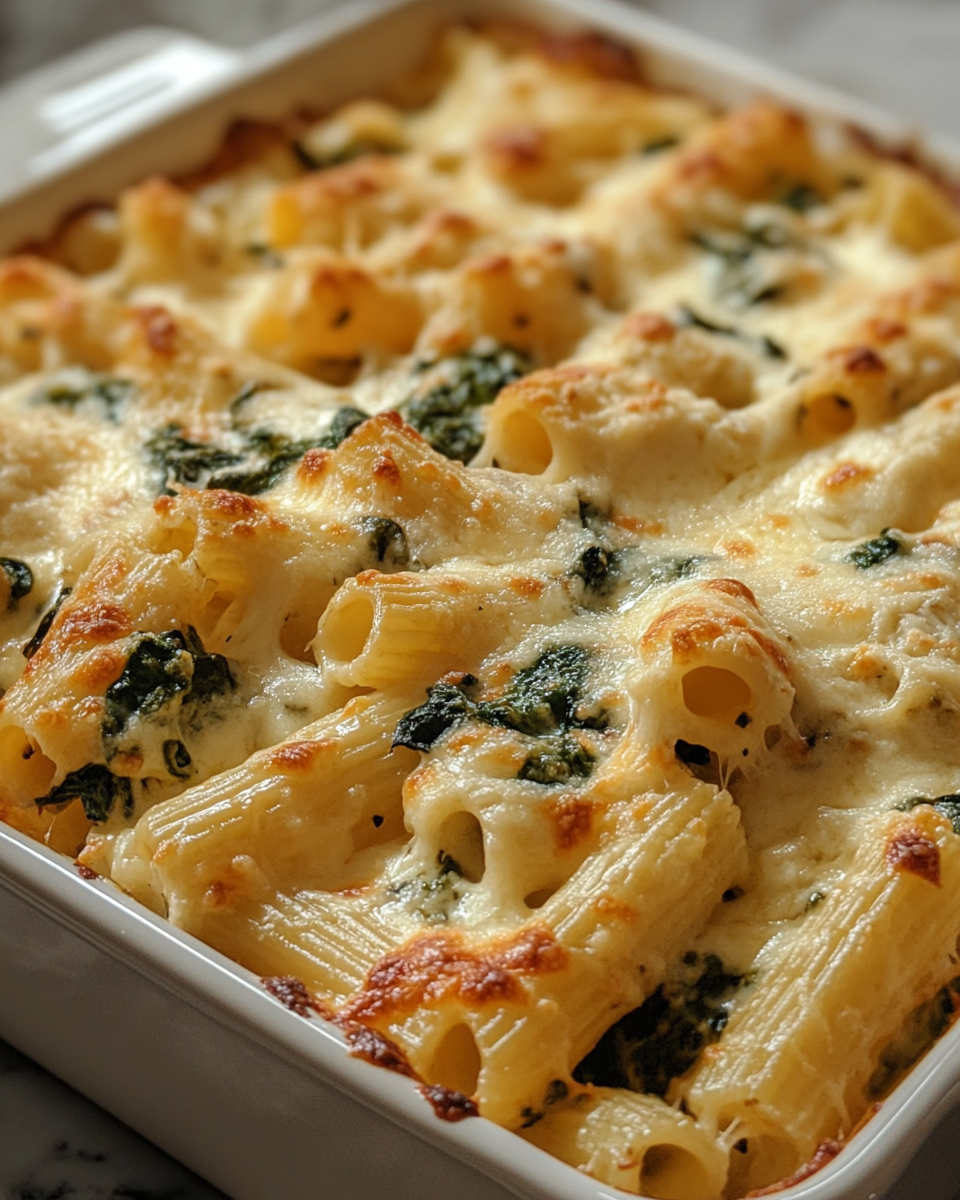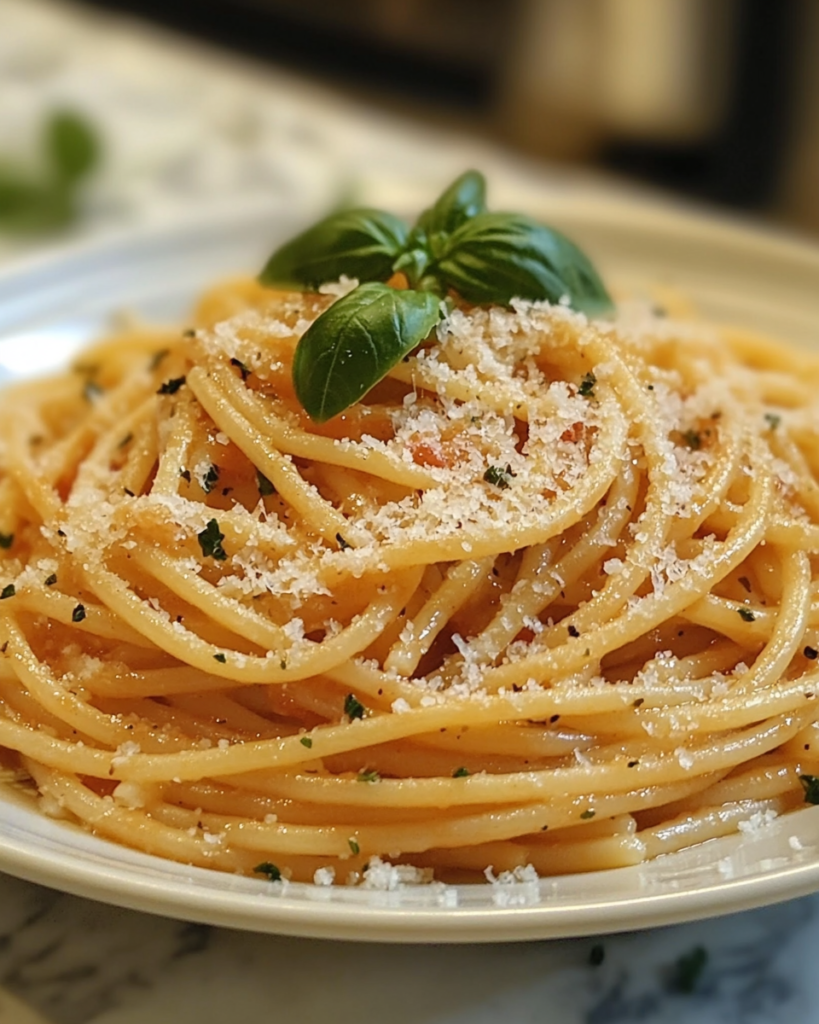
Tomato Parmesan Pasta is a comforting, rich pasta dish that brings together sweet tomatoes, savory parmesan, and tender pasta in a simple stovetop meal. It is the kind of recipe that feels warm and satisfying while still being easy enough for a weeknight dinner.
This dish highlights the natural sweetness of tomatoes balanced with the salty depth of parmesan cheese. The sauce clings to every strand or piece of pasta, creating a cohesive flavor in every bite.
Tomato Parmesan Pasta works well as a standalone meal or as a side dish alongside grilled proteins or roasted vegetables. It is flexible, forgiving, and built from pantry-friendly ingredients that come together in under an hour.
The beauty of this recipe lies in its balance. The acidity of tomatoes is softened by butter or olive oil, while parmesan adds richness and a slight nuttiness. Garlic and onion build the foundation, creating layers of flavor without complexity.
Whether served for a casual family dinner or a relaxed gathering, this pasta delivers consistent comfort and satisfying texture in every bowl.
Ingredients Overview
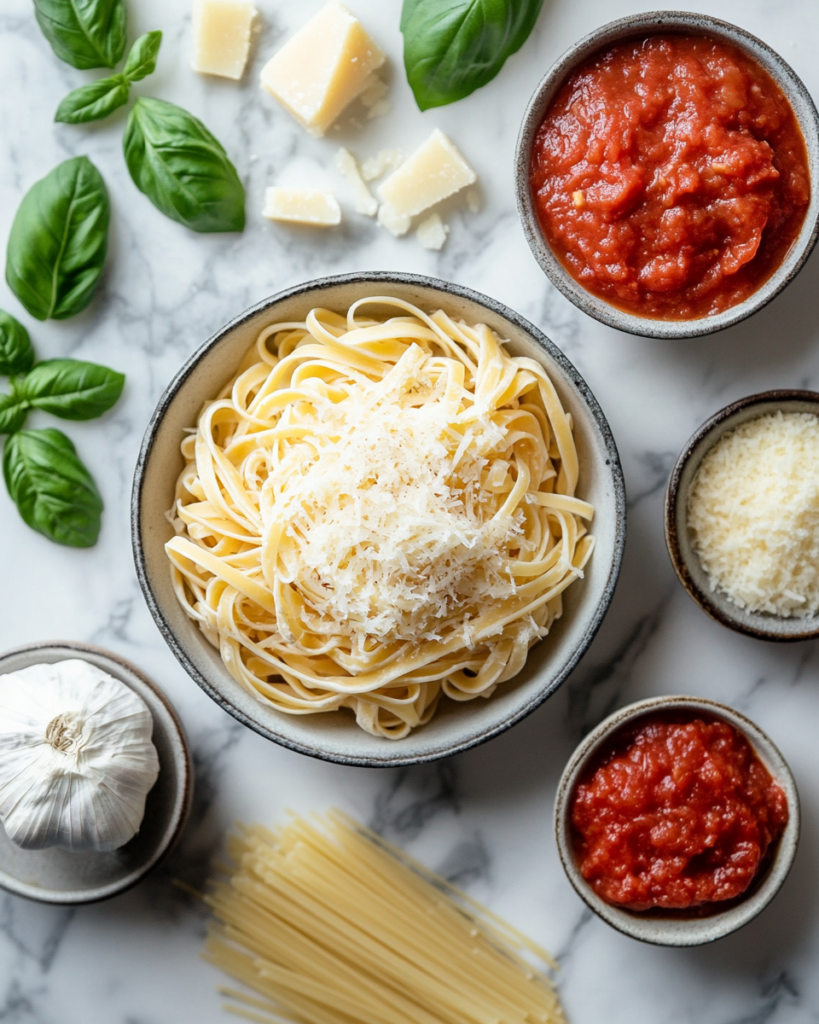
Tomatoes form the base of this pasta, and they can be used in several forms depending on availability. Fresh ripe tomatoes bring brightness and natural sweetness, while canned crushed tomatoes offer consistency and depth. Both options work well, and a mix of the two can create a balanced sauce.
Parmesan cheese is the key finishing ingredient that brings saltiness and richness. Freshly grated parmesan melts more smoothly into the sauce, creating a silky texture. Pre-grated versions can be used, though they may result in a slightly less creamy finish.
Garlic and onion build the aromatic base. Onion adds mild sweetness when sautéed, while garlic provides depth and fragrance. These ingredients form the backbone of the sauce and should be cooked gently to avoid bitterness.
Olive oil is typically used for sautéing and adds a smooth, fruity undertone. Some variations include a small amount of butter for extra richness.
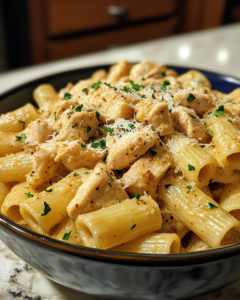
Pasta selection matters as well. Spaghetti, penne, or rigatoni all work well. Long pasta creates a silky coating effect, while short pasta holds chunks of sauce more effectively.
Optional additions like basil, red pepper flakes, or a splash of cream can adjust the flavor profile without changing the core identity of the dish.
Ingredients
12 ounces spaghetti or penne pasta
2 tablespoons olive oil
1 small onion, finely chopped
3 cloves garlic, minced
1 can (28 ounces) crushed tomatoes
1 teaspoon salt
1/2 teaspoon black pepper
1 teaspoon dried oregano
1/2 teaspoon red pepper flakes (optional)
1 tablespoon tomato paste
1/2 cup reserved pasta water
3/4 cup freshly grated parmesan cheese
2 tablespoons unsalted butter
1/4 cup fresh basil leaves, chopped
Step-by-Step Instructions
Start by bringing a large pot of salted water to a boil. Add the pasta and cook until just al dente, following package instructions. Before draining, reserve about one cup of pasta water, which will help adjust the sauce later. Drain the pasta and set aside.
In a large skillet, heat olive oil over medium heat. Add chopped onion and cook until soft and translucent, usually about 5 minutes. Stir occasionally to prevent browning. Add minced garlic and cook for another 30 to 60 seconds until fragrant.
Pour in the crushed tomatoes and stir to combine with the aromatics. Add tomato paste, salt, black pepper, oregano, and red pepper flakes if using. Let the sauce simmer gently for about 15 to 20 minutes, stirring occasionally. The sauce should thicken slightly and deepen in color.
Lower the heat and add butter, stirring until melted into the sauce. This adds a smooth, rich finish. If the sauce becomes too thick, add a splash of reserved pasta water to loosen it.
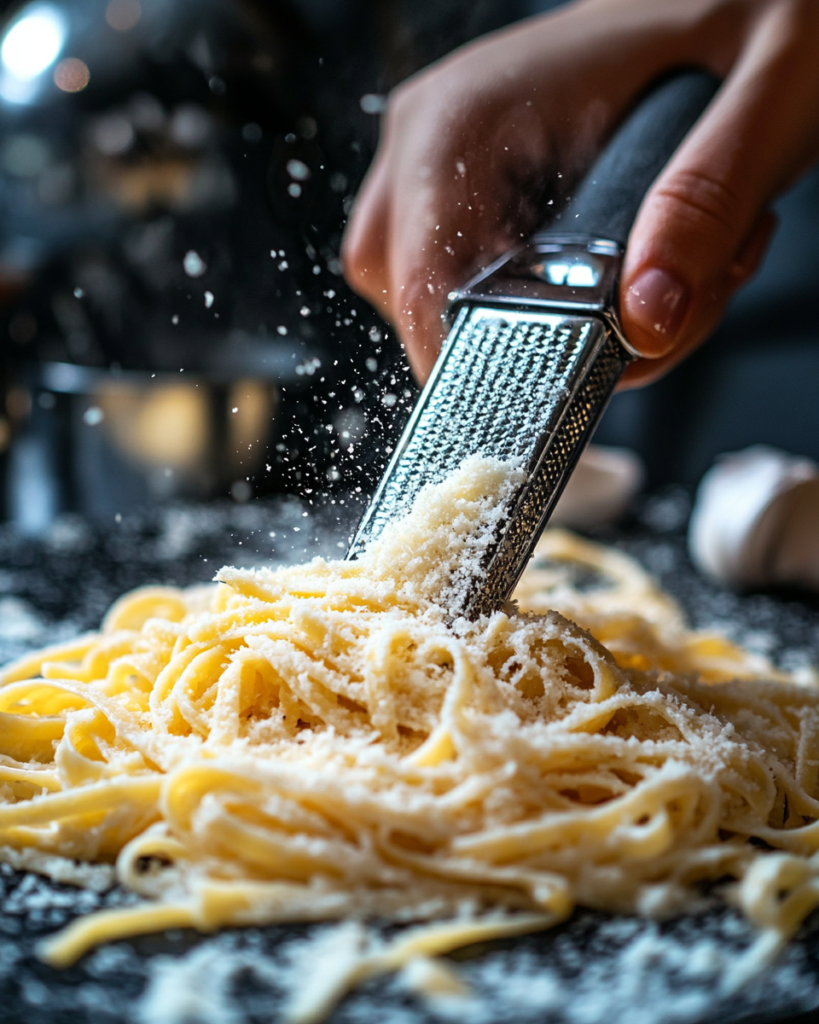
Add the cooked pasta directly into the skillet and toss well to coat every piece. Gradually mix in grated parmesan cheese, allowing it to melt into the sauce. Continue tossing until the pasta is evenly coated and glossy.
Taste and adjust seasoning if needed. Add more pasta water for a silkier texture or more cheese for added richness. Remove from heat and fold in fresh basil just before serving.
Serve immediately while warm, ensuring the sauce remains creamy and well distributed over the pasta.
Tips, Variations & Substitutions
For a deeper tomato flavor, allow the sauce to simmer longer at low heat. This helps reduce acidity and concentrates the natural sweetness of the tomatoes. Stir occasionally to prevent sticking.
If you prefer a creamier version, add a splash of heavy cream near the end of cooking. This softens the tomato sharpness and creates a velvety sauce.
Whole wheat or gluten-free pasta can be used without changing the overall method. Just adjust cooking time according to package directions.
For added protein, cooked chicken, shrimp, or sautéed mushrooms can be mixed in before serving. These additions pair well with the tomato and parmesan base.
Fresh herbs like parsley or basil enhance freshness. Dried herbs should be added earlier in the cooking process to fully release their flavor.
Serving Ideas & Occasions
Tomato Parmesan Pasta pairs well with simple side dishes like green salads, roasted vegetables, or garlic bread. These sides complement the richness of the pasta without overpowering it.
It is commonly served as a main dish for casual dinners, quick family meals, or relaxed weekend cooking. It also works well for small gatherings where a warm, comforting dish is needed.
For drinks, light options such as sparkling water with lemon or mild herbal teas balance the richness of the pasta. The dish is best served fresh from the pan while the sauce is creamy and warm.
Nutritional & Health Notes
Tomato Parmesan Pasta provides a balanced mix of carbohydrates, fats, and protein. Pasta supplies energy, while tomatoes contribute natural vitamins and antioxidants.
Parmesan cheese adds calcium and protein, though it also increases sodium content. Adjusting the amount of cheese allows control over salt levels without losing flavor.
Olive oil offers healthy fats that support satiety and texture in the sauce. Using fresh ingredients helps keep the dish naturally wholesome.
Portion size plays an important role in maintaining balance, especially when serving as a main course.
FAQs
Can I use fresh tomatoes instead of canned?
Yes, fresh tomatoes can be used instead of canned crushed tomatoes. Choose ripe, juicy tomatoes for the best flavor. You may need to cook them longer to break them down into a sauce-like consistency. Removing skins after blanching can improve texture. Fresh tomatoes often produce a lighter, brighter sauce compared to canned versions, making the dish taste more seasonal and fresh.
What type of pasta works best for this recipe?
Spaghetti and penne are both excellent choices. Spaghetti creates a smooth, coated texture, while penne holds more sauce inside each piece. Fusilli or rigatoni also work well because their shapes trap the tomato parmesan sauce. The key is to choose a pasta that holds sauce effectively so every bite delivers balanced flavor and texture.
Can I make this dish ahead of time?
Yes, this pasta can be made ahead and stored in the refrigerator. The sauce may thicken as it sits, so adding a splash of water or broth when reheating helps restore its texture. Warm it gently on the stove for best results. Fresh parmesan can also be added after reheating to bring back creaminess.
How do I make the sauce thicker?
To thicken the sauce, allow it to simmer uncovered for a longer period. This helps excess liquid evaporate naturally. Adding extra tomato paste also increases thickness and intensifies flavor. Stir frequently to prevent burning at the bottom of the pan. Avoid adding too much liquid during cooking if a thicker consistency is preferred.
Can I make it without cheese?
Yes, the recipe can be made without parmesan cheese. The sauce will still be flavorful due to tomatoes, garlic, and herbs. For a dairy-free alternative, nutritional yeast can be used to add a slightly cheesy flavor. The texture will be lighter, but the dish will still be satisfying and rich in tomato taste.
How should leftovers be stored?
Leftovers should be stored in an airtight container in the refrigerator. They will keep well for up to three days. When reheating, add a small amount of water or olive oil to loosen the sauce. Heat gently on the stove or in the microwave, stirring occasionally to maintain even texture.
Can I add vegetables to this pasta?
Yes, vegetables such as spinach, zucchini, mushrooms, or bell peppers can be added. Sauté them before adding the tomato sauce so they cook evenly and blend well with the flavors. Adding vegetables increases volume and nutrition while keeping the dish balanced and colorful.