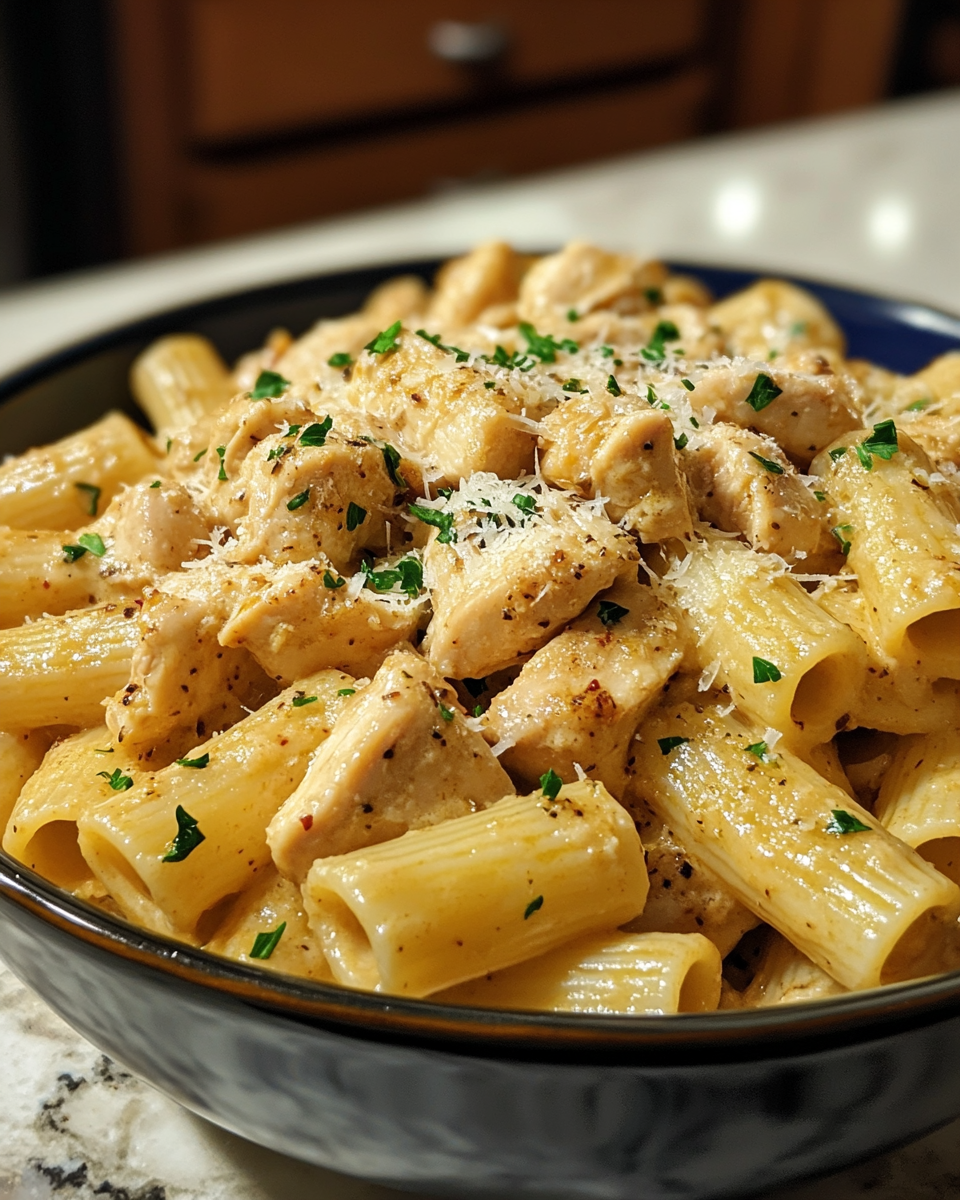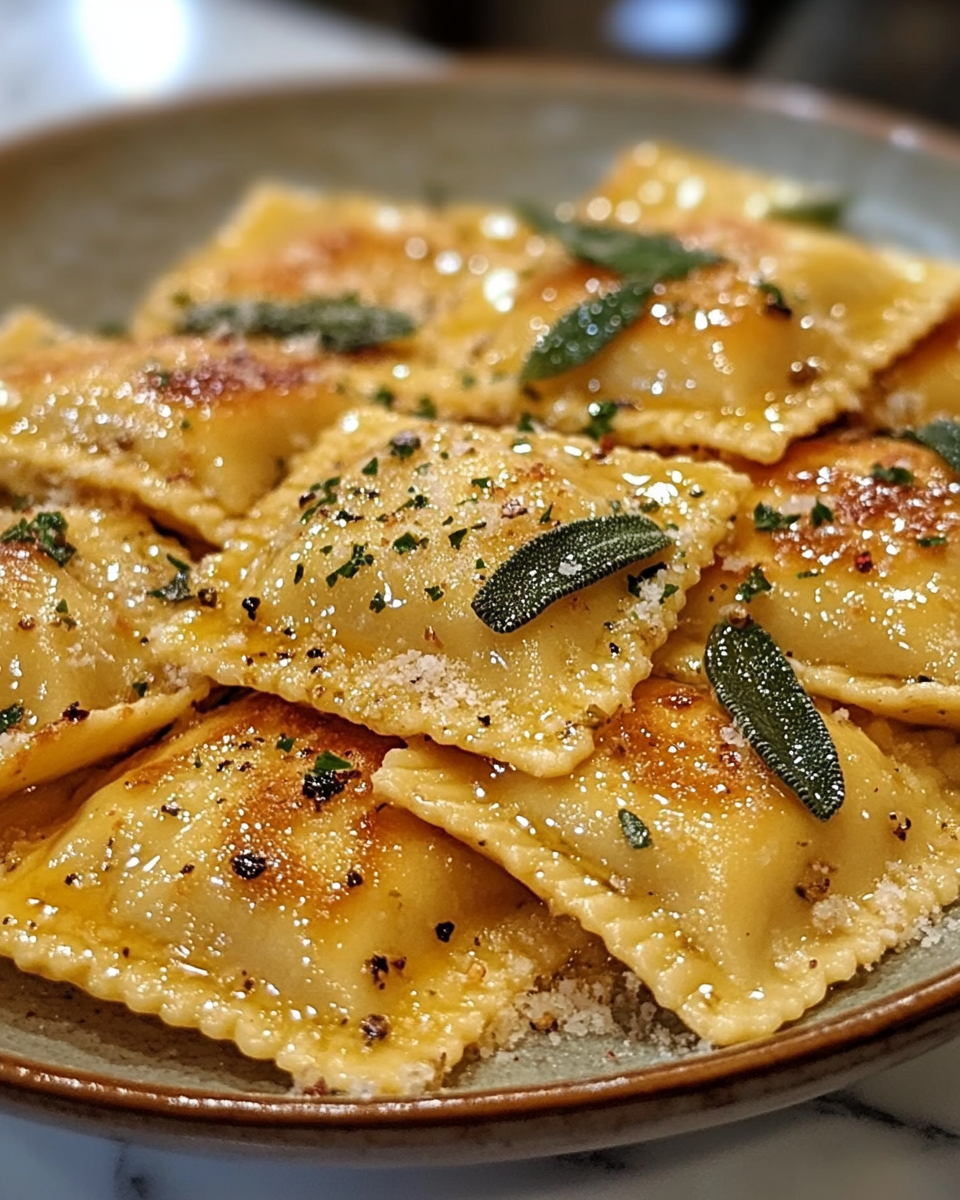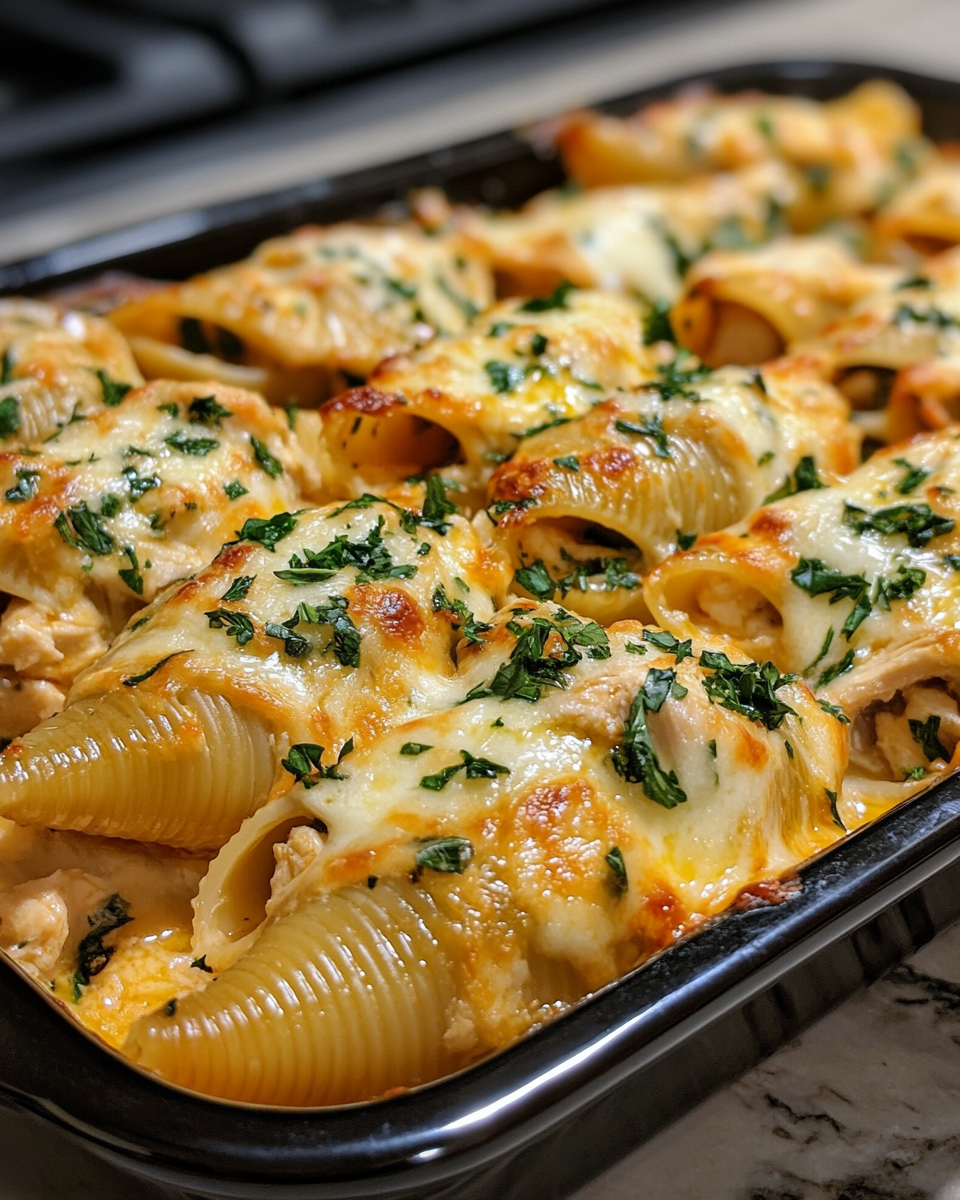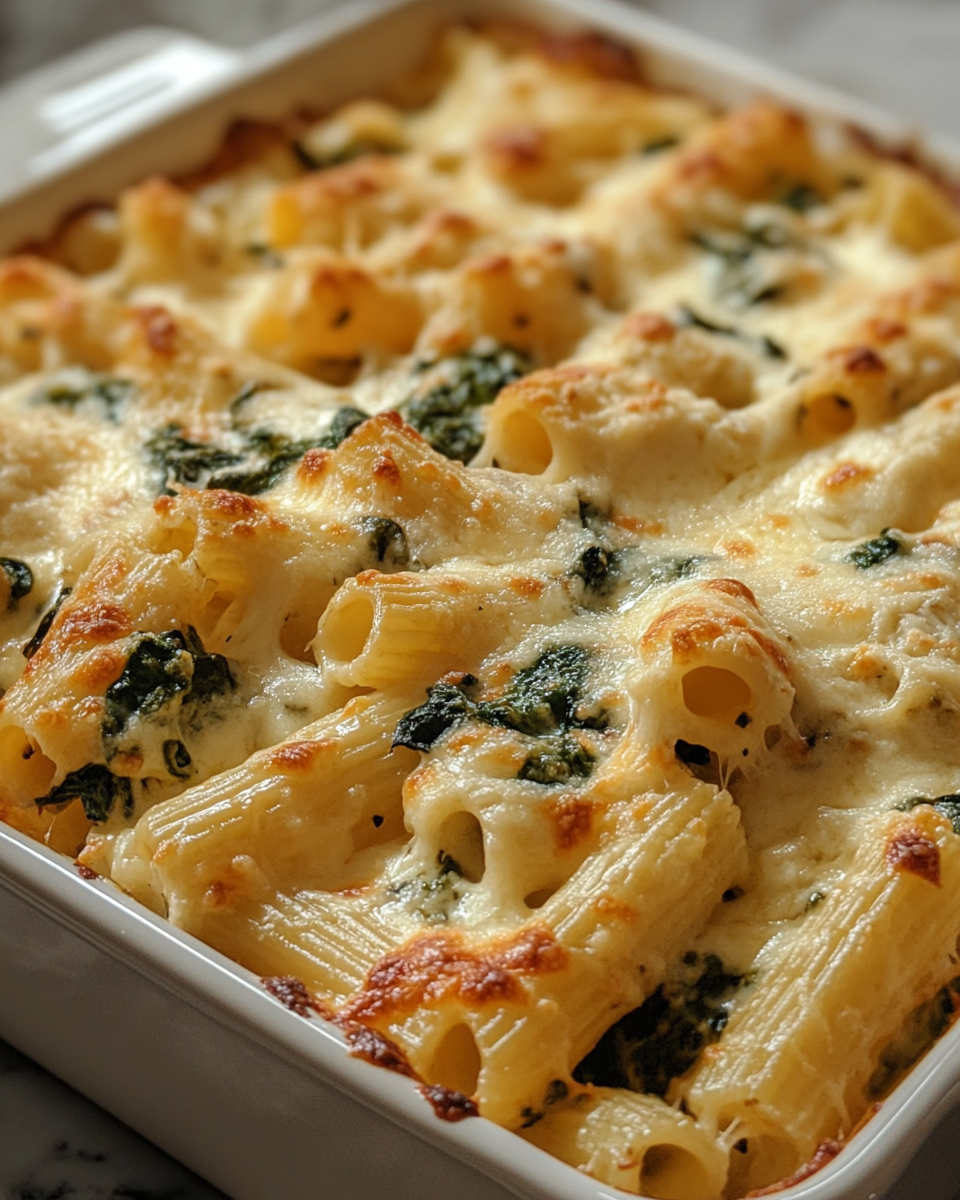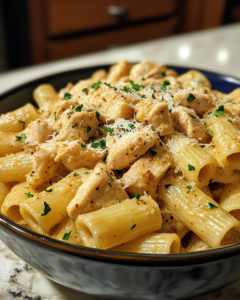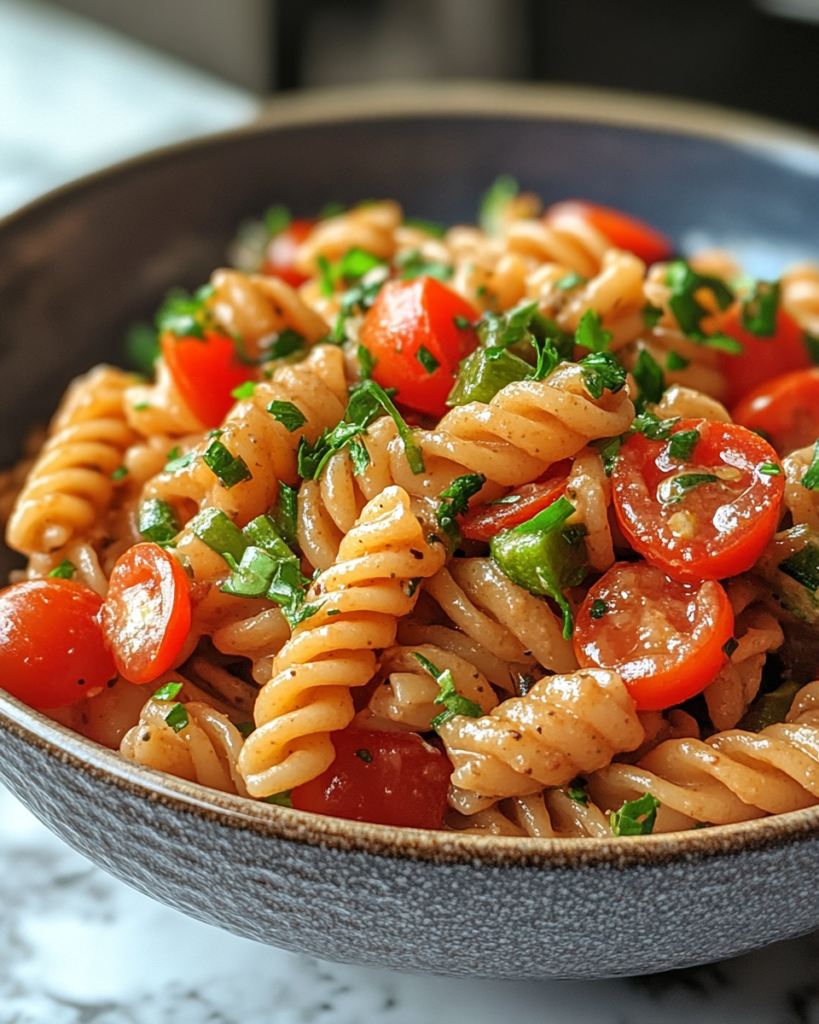
Whole wheat pasta bowl brings together hearty pasta, colorful vegetables, and a savory sauce in a warm, satisfying dish that works for busy weeknights or relaxed weekend cooking. The nutty flavor of whole wheat pasta pairs naturally with simple ingredients that create depth without heavy effort.
This bowl style dish is flexible, comforting, and easy to adapt with what you already have in your kitchen. It is the kind of meal that feels balanced, filling, and full of texture in every bite.
Ingredients Overview
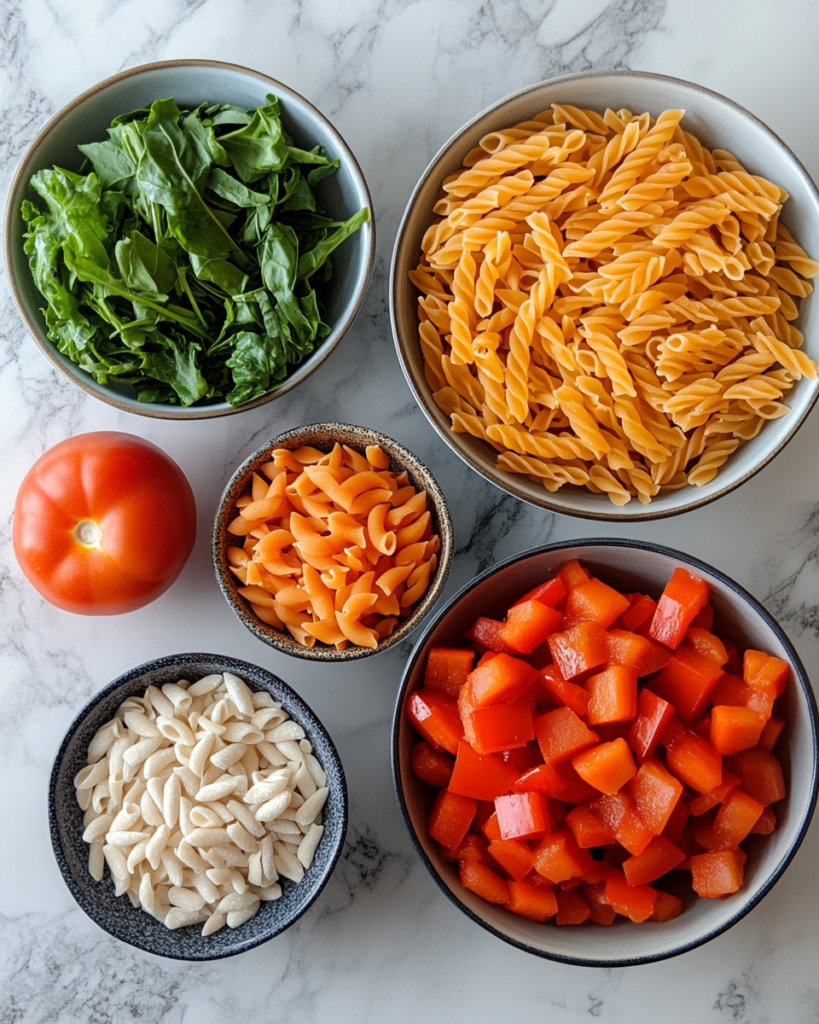
Whole wheat pasta is the foundation of this dish, offering a slightly nutty taste and firmer texture than regular pasta. It holds sauces well and gives the bowl a more substantial bite. Choosing penne, fusilli, or spaghetti all works depending on preference and pantry availability.
Olive oil brings smooth richness and helps carry the flavor of garlic and vegetables throughout the dish. Garlic and onion form the aromatic base, giving warmth and depth without overpowering the other ingredients.
Cherry tomatoes add natural sweetness and a light acidity that balances the earthiness of whole wheat pasta. When cooked gently, they soften and release juices that blend into a light sauce.
Spinach or kale adds a tender leafy element that complements the pasta’s texture while bringing color and freshness. Either option works well, depending on what is available.
Protein can be added through chickpeas, grilled chicken, or tofu. Chickpeas offer a plant-based option with a mild flavor that absorbs seasoning easily. Chicken gives a firmer bite, while tofu adds softness and absorbs the sauce well.
Parmesan cheese contributes a salty, savory finish that ties the dish together. Nutritional yeast can be used as a dairy-free substitute.
A simple seasoning blend of salt, black pepper, and dried herbs like oregano or basil rounds out the flavor profile. Lemon juice can be added at the end for brightness, helping lift the heavier notes of the pasta and oil.
Ingredients
12 ounces whole wheat pasta
2 tablespoons olive oil
3 cloves garlic, minced
1 small onion, diced
1 1/2 cups cherry tomatoes, halved
3 cups fresh spinach
1 can chickpeas, drained and rinsed
1/2 teaspoon salt
1/2 teaspoon black pepper
1 teaspoon dried oregano
1/2 teaspoon dried basil
1/4 teaspoon red pepper flakes
1/3 cup grated Parmesan cheese
1 tablespoon lemon juice
Step-by-Step Instructions
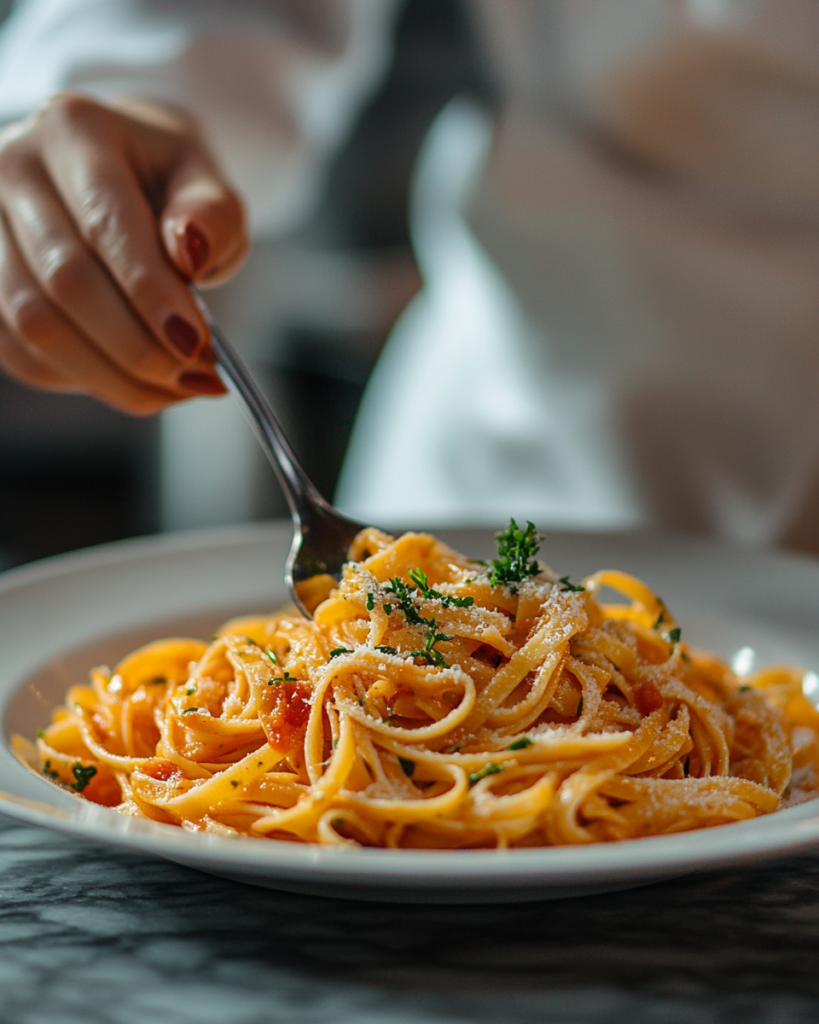
Begin by cooking the whole wheat pasta in a large pot of salted boiling water. Cook according to package directions until it reaches a firm yet tender texture. Whole wheat pasta can take slightly longer than regular pasta, so taste near the end of cooking to check doneness. Drain and set aside, reserving a small cup of pasta water.
Heat olive oil in a large skillet over medium heat. Add diced onion and cook until soft and translucent, usually about 4–5 minutes. Stir occasionally so it softens evenly without browning too quickly. Add minced garlic and cook for about 30 seconds until fragrant.
Add cherry tomatoes to the skillet and cook until they begin to soften and release their juices. This usually takes around 5–7 minutes. Gently press a few tomatoes with the back of a spoon to help them break down and form a light sauce base.
Stir in chickpeas and season with salt, black pepper, oregano, basil, and red pepper flakes. Cook for another 3–4 minutes so the chickpeas absorb the flavors of the seasoning and tomato mixture.
Add spinach and stir until it wilts down into the mixture. This happens quickly, usually within 1–2 minutes. If the mixture seems too thick, add a small splash of reserved pasta water to loosen it slightly.
Add the cooked pasta into the skillet and toss everything together until well combined. The sauce should coat the pasta evenly. If needed, add more pasta water a little at a time until the texture feels balanced and smooth.
Finish with grated Parmesan cheese and lemon juice. Stir gently so the cheese melts slightly into the warm pasta. Taste and adjust seasoning if needed. Serve warm for the best texture and flavor.
Common mistakes include overcooking the pasta or skipping the reserved pasta water, which helps bind the sauce. Another issue is cooking garlic too long, which can create a bitter taste. Keeping heat moderate helps maintain balance in the skillet.
Tips, Variations & Substitutions
This whole wheat pasta bowl can be adjusted in many ways depending on dietary needs or available ingredients. For extra protein, grilled chicken or shrimp can be added during the final mixing stage. For a plant-based version, chickpeas or lentils work well and hold seasoning nicely.
Vegetable options can also be changed based on season or preference. Zucchini, bell peppers, mushrooms, or broccoli all work well when sautéed before combining with pasta. Each adds its own texture and flavor profile.
For a creamier version, a splash of coconut milk or a spoonful of ricotta can be stirred in at the end. This creates a richer sauce without overwhelming the dish. If a lighter finish is preferred, extra lemon juice and herbs can brighten the overall flavor.
Whole wheat pasta has a firmer texture, so adding enough sauce or reserved pasta water is key for a smooth consistency. Adjusting seasoning gradually helps keep flavors balanced without overpowering the natural ingredients.
Serving Ideas & Occasions
This dish works well as a main course for lunch or dinner and can be served warm or at room temperature. It pairs nicely with a simple green salad or roasted vegetables for a more complete meal.
For drinks, sparkling water with lemon or a light iced tea complements the savory and slightly tangy flavors of the pasta bowl. It also fits well into meal prep routines since it holds texture after reheating.
Whole wheat pasta bowl is often served during casual family dinners, quick weekday meals, or relaxed gatherings where simple, hearty food is preferred. It travels well for packed lunches and can be portioned easily for storage.
Nutritional & Health Notes
Whole wheat pasta provides more fiber than refined pasta, contributing to a more filling meal and slower digestion. This helps create steady energy without feeling overly heavy after eating.
Vegetables like spinach and tomatoes add vitamins, minerals, and antioxidants. Chickpeas contribute plant-based protein and fiber, supporting a balanced nutritional profile.
Olive oil offers healthy fats that support flavor and texture in the dish. Cheese adds calcium and protein, though it can be adjusted or omitted depending on dietary preferences.
This dish fits into a balanced eating pattern when portion sizes are considered alongside other daily meals. Ingredient choices can be adjusted to reduce sodium or increase plant-based content as needed.
FAQs
Can whole wheat pasta be used in any pasta dish?
Whole wheat pasta works in most pasta dishes, though it has a firmer texture and a more pronounced nutty flavor. It pairs well with both light and hearty sauces. In recipes with creamy or tomato-based sauces, it holds up especially well because it does not become overly soft. Cooking time may vary slightly compared to regular pasta, so tasting during the final minutes of boiling helps achieve the right texture.
What vegetables work best in a pasta bowl like this?
A wide range of vegetables can be used in a whole wheat pasta bowl. Spinach, kale, zucchini, bell peppers, mushrooms, and cherry tomatoes are common choices. Each vegetable brings its own texture and flavor, allowing the dish to feel varied and colorful. Cooking times differ, so firmer vegetables should be added earlier while leafy greens are stirred in at the end for quick wilting.
Can this dish be made without cheese?
Yes, the dish can be made without cheese while still maintaining good flavor. Nutritional yeast is a popular substitute that adds a savory note similar to Parmesan. A small amount of extra olive oil and lemon juice can also help replace the richness that cheese normally provides. Herbs like basil and oregano become more noticeable when cheese is omitted, creating a lighter profile.
How can protein be added to this pasta bowl?
Protein can be added in several ways depending on preference. Chickpeas are a simple plant-based option that blends well with the sauce. Grilled chicken or shrimp can be cooked separately and mixed in at the end. Tofu also works well when lightly sautéed before combining with the pasta. Each option changes the texture slightly while keeping the dish filling and balanced.
Is whole wheat pasta better than regular pasta?
Whole wheat pasta contains more fiber than regular pasta, which can make it more filling and support slower digestion. It also has a slightly nutty flavor and firmer texture. Regular pasta, however, has a softer bite and more neutral taste. The choice depends on personal preference and dietary goals rather than one being strictly better than the other.
Can this pasta bowl be eaten cold?
Yes, this dish can be eaten cold and works well as a pasta salad style meal. When chilled, the flavors settle and become more blended. Adding a small drizzle of olive oil or a splash of lemon juice before serving helps refresh the texture. It is a practical option for packed lunches or quick meals on the go.
How long does whole wheat pasta bowl last in the fridge?
This pasta bowl can be stored in an airtight container in the refrigerator for up to 3–4 days. The texture may become slightly firmer as it sits, so adding a small amount of water or olive oil when reheating helps restore softness. Reheating can be done in a microwave or on the stovetop over low heat until warmed through.