Cajun Chicken Alfredo: 7 Ultimate Comforting Tips

Posted on

Uncategorized

Difficulty

Prep time

Cooking time

Total time

Servings

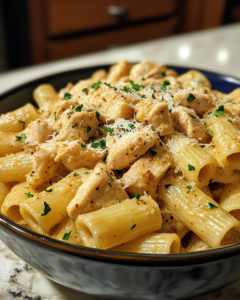
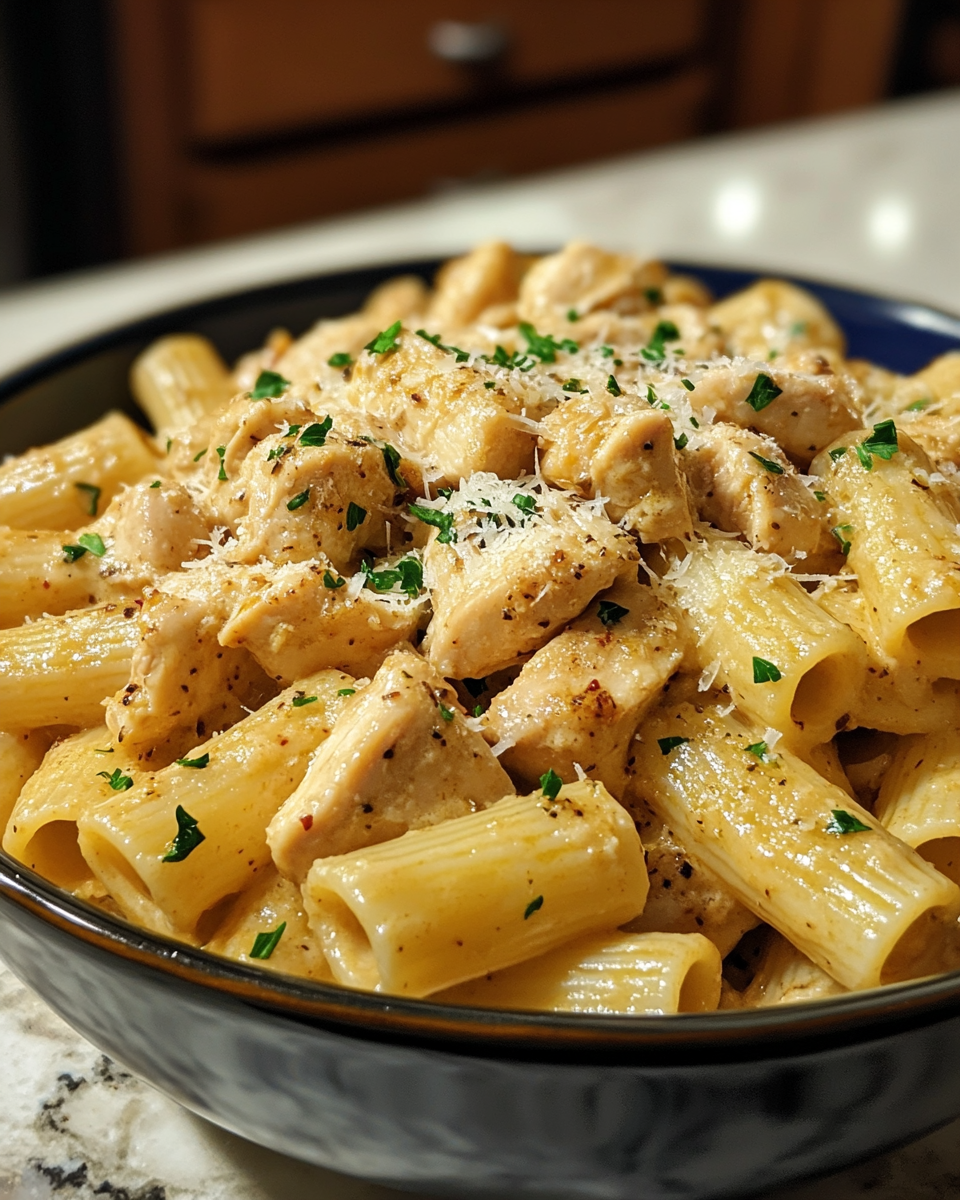
Cajun Chicken Alfredo brings together smoky spices, tender chicken, silky pasta, and a rich cream sauce in one deeply satisfying skillet dinner. This pasta dish carries bold Southern-inspired flavor balanced by smooth Parmesan creaminess, giving every forkful a warm and hearty character. The contrast between the seasoned chicken and the mellow Alfredo sauce creates a rich pasta dinner that feels ideal for busy evenings, casual family gatherings, or relaxed weekend meals.

Fettuccine remains the classic pasta choice because its wide ribbons hold the creamy sauce beautifully, though other pasta shapes also work well. Cajun seasoning adds paprika, garlic, onion, herbs, and pepper notes that coat the chicken with savory depth. Freshly grated Parmesan melts into the sauce smoothly, creating a velvety texture without heaviness when prepared carefully.

A large skillet and steady heat are key for balancing the cream sauce while keeping the chicken juicy. The dish comes together fairly quickly, yet it carries the rich flavor of a slow-cooked comfort meal. Cajun Chicken Alfredo also adapts nicely with vegetables, shrimp, sausage, or lighter ingredient swaps while still keeping its signature creamy texture and seasoned flavor.

Ingredients Overview
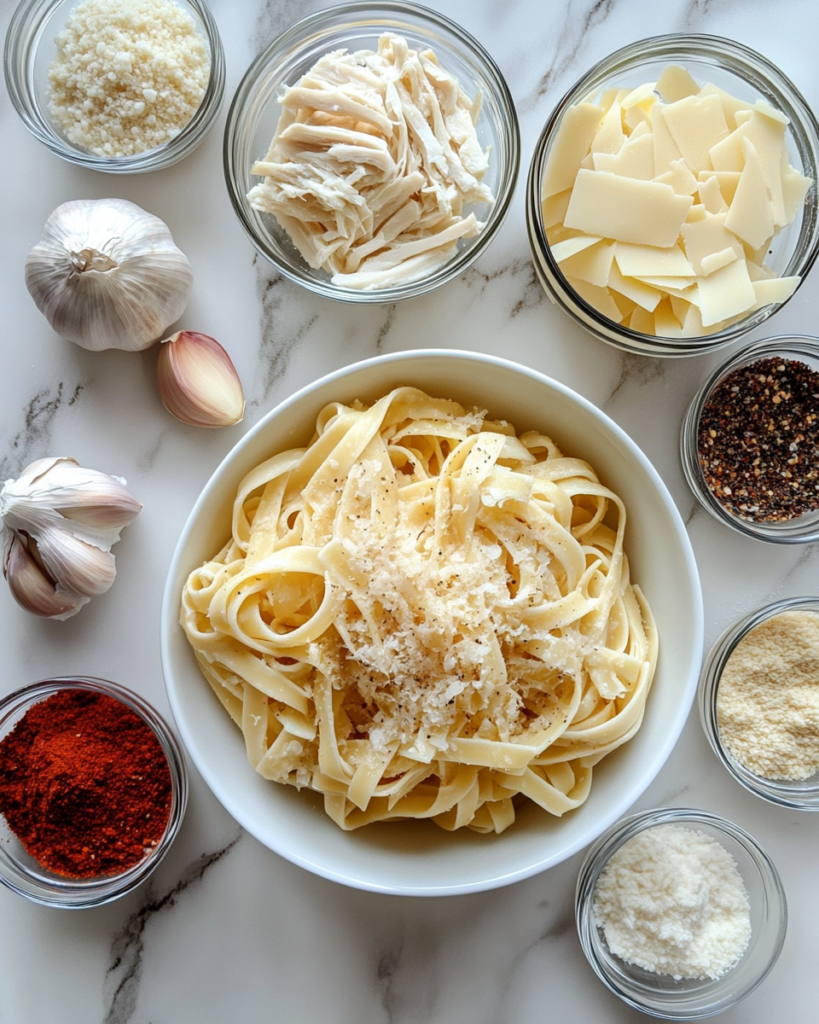
The heart of Cajun Chicken Alfredo starts with boneless chicken breasts or thighs. Chicken breasts stay lean and cook quickly, while thighs bring slightly richer flavor and tenderness. Either option works beautifully once coated with Cajun seasoning and pan-seared until golden.

Cajun seasoning gives the dish its signature character. Most blends contain paprika, garlic powder, onion powder, oregano, thyme, cayenne, salt, and black pepper. Some blends carry heavier salt levels, so tasting before adding extra salt helps balance the final sauce. Smoked paprika adds gentle smoky depth that pairs beautifully with cream and Parmesan.

Fettuccine pasta creates the traditional Alfredo texture because the broad noodles cling to the sauce well. Linguine or penne also perform nicely if fettuccine is unavailable. Cooking the pasta just until tender helps the noodles stay firm after mixing with the hot sauce.

Heavy cream forms the base of the Alfredo sauce. Combined with butter and Parmesan cheese, it creates a smooth coating that wraps around the pasta. Freshly grated Parmesan melts far more smoothly than packaged shredded cheese because it lacks anti-caking ingredients.

Garlic adds warmth and savory aroma without overpowering the sauce. A small amount of chicken broth loosens the Alfredo sauce slightly, helping the pasta absorb flavor without becoming overly thick. Fresh parsley brightens the finished dish with fresh color and mild herbal balance.

For substitutions, half-and-half may replace part of the heavy cream for a lighter texture, while gluten-free pasta works well for dietary adjustments. Shrimp or smoked sausage can also replace part of the chicken for additional Southern-inspired flavor.

Ingredients

2 large boneless skinless chicken breasts
2 tablespoons Cajun seasoning
1 teaspoon smoked paprika
1 teaspoon garlic powder
1/2 teaspoon black pepper
2 tablespoons olive oil
12 ounces fettuccine pasta
3 tablespoons unsalted butter
4 cloves garlic, minced
2 cups heavy cream
1/2 cup chicken broth
1 1/2 cups freshly grated Parmesan cheese
1/2 teaspoon salt
1/4 teaspoon crushed red pepper flakes
2 tablespoons chopped fresh parsley
Extra Parmesan for serving

Step-by-Step Instructions

Bring a large pot of salted water to a boil. Add the fettuccine and cook until just tender according to package timing. Reserve about 1 cup of pasta water before draining the noodles. Set the pasta aside while preparing the chicken and sauce.

Slice the chicken breasts horizontally or pound them lightly for even thickness. Pat the chicken dry using paper towels so the seasoning sticks properly and the surface browns nicely. Coat both sides with Cajun seasoning, smoked paprika, garlic powder, and black pepper.

Warm a large skillet over medium-high heat and add the olive oil. Once the oil shimmers lightly, place the chicken into the skillet without crowding the pan. Cook for about 5 to 6 minutes per side depending on thickness. The outside should develop a deep golden crust while the center reaches a safe internal temperature of 165 degrees Fahrenheit.

Transfer the cooked chicken to a cutting board and allow it to rest for several minutes before slicing. Resting keeps the juices inside the meat instead of running into the skillet.

Lower the heat to medium. Add the butter to the same skillet and stir in the minced garlic. Cook for about 30 seconds until fragrant but not browned. Garlic can turn bitter quickly if left over high heat too long.

Pour in the heavy cream and chicken broth, stirring gently to combine with the browned bits left from the chicken. Allow the mixture to simmer gently for 3 to 4 minutes. Avoid boiling the sauce aggressively because high heat may cause separation.

Gradually stir in the Parmesan cheese a handful at a time. Continuous stirring helps the cheese melt smoothly into the cream. Add salt and crushed red pepper flakes. If the sauce thickens too much, stir in a splash of reserved pasta water until silky.

Add the drained fettuccine directly into the skillet. Toss the noodles gently until evenly coated with sauce. Slice the chicken and arrange it over the pasta or fold it into the skillet.

Scatter chopped parsley and additional Parmesan across the top before serving. The final texture should feel creamy and rich while still flowing lightly across the pasta instead of clumping heavily.

One common issue with Alfredo sauce comes from overheating the cheese. Gentle heat and gradual stirring keep the sauce smooth rather than grainy. Another frequent mistake involves overcooking the pasta before adding it to the skillet. Slightly firm noodles hold their structure far better once coated in sauce.

Tips, Variations & Substitutions

Fresh Parmesan creates the smoothest Alfredo sauce. Pre-shredded cheese often contains stabilizers that prevent proper melting, resulting in a gritty texture. Grating the cheese directly before cooking creates a creamier finish.

For stronger Cajun flavor, season the chicken several hours ahead and refrigerate it uncovered. This allows the spices to cling more deeply to the meat during cooking. If a milder dish is preferred, reduce the Cajun seasoning slightly and balance the flavor with extra cream.

Shrimp works beautifully in Cajun Chicken Alfredo. Medium shrimp cook quickly and pair naturally with the creamy sauce and spice blend. Smoked sausage also brings a rich Southern-style variation with deeper savory flavor.

Broccoli, spinach, mushrooms, or roasted bell peppers can join the pasta without overpowering the sauce. Vegetables add freshness and texture while balancing the richness of the cream.

For a lighter version, replace one cup of heavy cream with whole milk or half-and-half. The sauce becomes slightly thinner yet still creamy. Gluten-free pasta performs nicely when cooked carefully according to package timing.

Leftovers reheat best over low heat with a small splash of milk or broth stirred into the skillet. Gentle warming keeps the sauce smooth and prevents separation.

Serving Ideas & Occasions

Cajun Chicken Alfredo fits beautifully into relaxed family dinners, casual gatherings, or comforting cold-weather meals. Since the dish already carries rich texture and bold seasoning, lighter side dishes pair particularly well alongside it.

Garlic bread or toasted baguette slices help soak up the creamy sauce beautifully. Crisp green salads with light vinaigrette dressing bring freshness that balances the richness of the pasta. Roasted asparagus, green beans, or sautéed spinach also complement the dish nicely.

For drinks, sparkling water with lemon, iced tea, or light white wine pair comfortably with the creamy sauce and seasoned chicken. The mild acidity cuts through the richness without overwhelming the Cajun spices.

This pasta dinner also works nicely for date nights or weekend gatherings because it feels hearty and restaurant-inspired without requiring complicated preparation. Since the dish comes together fairly quickly, it suits busy evenings while still carrying rich homemade flavor.

Nutritional & Health Notes

Cajun Chicken Alfredo contains a balanced combination of protein, carbohydrates, and fats. Chicken supplies high-quality protein that supports fullness, while pasta provides steady energy from carbohydrates. Parmesan cheese also contributes calcium and savory richness.

The cream sauce creates the luxurious texture associated with Alfredo dishes, though portion size remains important because heavy cream and cheese increase overall calorie content. Serving the pasta alongside vegetables or salad can create a more balanced meal.

Homemade Cajun Chicken Alfredo allows better control over sodium levels compared with many restaurant versions. Using lower-sodium broth and adjusting the Cajun seasoning carefully helps moderate salt content while still maintaining bold flavor.

Whole wheat pasta can raise fiber levels slightly, while additional vegetables add vitamins, minerals, and texture. Lean chicken breast keeps the protein portion lighter, though chicken thighs bring slightly richer flavor.

Because the sauce contains dairy, gentle cooking temperatures remain important for smooth consistency and pleasant texture. Careful preparation helps the dish stay creamy without feeling overly heavy.

FAQs

Can I prepare Cajun Chicken Alfredo ahead of time?

Cajun Chicken Alfredo can be prepared several hours ahead, though the sauce tastes freshest shortly after cooking. If preparing ahead, store the pasta, chicken, and sauce together in an airtight container inside the refrigerator. During reheating, place the pasta in a skillet over low heat and stir in a splash of milk, cream, or broth to loosen the sauce gradually. Gentle heat prevents the cream from separating or becoming oily. Avoid microwaving at very high heat because the cheese may turn grainy. For gatherings, the chicken may also be seasoned and cooked earlier in the day while the Alfredo sauce and pasta are prepared closer to serving time for fresher texture.

Which pasta shape works well besides fettuccine?

Fettuccine remains traditional because its broad ribbons hold creamy Alfredo sauce beautifully, though several pasta shapes perform nicely in this dish. Linguine offers a similar texture with slightly thinner strands. Penne and rigatoni trap the sauce inside their hollow centers, creating flavorful bites throughout the dish. Rotini also works nicely because its twists collect the creamy sauce and Cajun seasoning. When selecting pasta, sturdy shapes generally hold up better during tossing and reheating. Fresh pasta cooks faster and carries a softer texture, while dried pasta stays firmer after mixing with the sauce. Cooking any pasta just until tender helps maintain pleasant texture after combining with the Alfredo mixture.

How spicy is Cajun Chicken Alfredo?

The spice level depends largely on the Cajun seasoning blend used during cooking. Some blends contain moderate cayenne pepper levels, while others stay fairly mild and smoky. Homemade seasoning mixtures also allow full control over heat intensity. The creamy Alfredo sauce naturally softens the sharpness of the spices, creating a balanced flavor rather than overwhelming heat. For a milder version, reduce the Cajun seasoning slightly or skip crushed red pepper flakes entirely. For additional heat, extra cayenne or hot sauce can be stirred into the sauce near the end of cooking. Serving the dish alongside bread or salad also balances stronger spice levels comfortably.

Can I freeze Cajun Chicken Alfredo?

Freezing remains possible, though cream-based sauces sometimes change texture slightly after thawing. Alfredo sauce may separate during reheating if warmed too quickly. For stronger results, cool the pasta fully before storing it inside freezer-safe containers. Freeze for up to two months. Thaw overnight in the refrigerator before reheating gently over low heat with additional milk or cream stirred into the skillet. Freshly grated Parmesan also helps the sauce recover more smoothly during reheating. Pasta texture may soften slightly after freezing, though the flavor generally remains rich and satisfying. If planning specifically for freezing, slightly undercook the pasta initially so it stays firmer later.

What vegetables pair nicely with this pasta?

Several vegetables complement Cajun Chicken Alfredo beautifully without overpowering the creamy sauce. Broccoli remains one of the most popular additions because its mild earthy flavor balances the rich Alfredo texture. Spinach wilts quickly into the sauce and adds gentle freshness. Mushrooms contribute savory depth that pairs naturally with Cajun spices and Parmesan cheese. Bell peppers add color and subtle sweetness, while asparagus creates a lighter spring-inspired variation. Roasted vegetables generally bring stronger flavor compared with steamed versions because caramelization adds richness. Vegetables can either be folded directly into the pasta or served alongside it depending on personal preference and desired texture balance.

Why did my Alfredo sauce turn grainy?

Grainy Alfredo sauce usually develops from excessive heat or improper cheese handling. Parmesan cheese should melt gradually over medium-low heat rather than boiling temperatures. High heat causes proteins in the cheese and cream to tighten, creating clumps and rough texture. Freshly grated Parmesan melts more smoothly than packaged shredded cheese because it lacks anti-caking ingredients. Adding the cheese slowly while stirring continuously also helps maintain a silky consistency. Another helpful step involves removing the skillet briefly from direct heat before stirring in the cheese. If the sauce thickens too quickly, a small amount of pasta water or warm cream can smooth the texture gently.

Can I use chicken thighs instead of chicken breasts?

Chicken thighs work extremely well in Cajun Chicken Alfredo because they remain tender and flavorful even after high-heat cooking. Boneless skinless thighs carry slightly richer flavor compared with chicken breasts and often stay juicier during skillet cooking. They also absorb Cajun seasoning beautifully thanks to their higher fat content. Cooking timing may vary slightly depending on thickness, though thighs generally require about 5 to 7 minutes per side. Internal temperature should still reach 165 degrees Fahrenheit before serving. Some cooks prefer combining both breasts and thighs for balanced texture and flavor throughout the pasta dish. Either choice pairs beautifully with the creamy Parmesan sauce.

[rank_math_breadcrumb]

Cajun Chicken Alfredo: 7 Ultimate Comforting Tips

Photo of author
Author: Carol
Published:

Cajun Chicken Alfredo brings together smoky spices, tender chicken, silky pasta, and a rich cream sauce in one deeply satisfying skillet dinner. This pasta dish carries bold Southern-inspired flavor balanced by smooth Parmesan creaminess, giving every forkful a warm and hearty character. The contrast between the seasoned chicken and the mellow Alfredo sauce creates a rich pasta dinner that feels ideal for busy evenings, casual family gatherings, or relaxed weekend meals.

Fettuccine remains the classic pasta choice because its wide ribbons hold the creamy sauce beautifully, though other pasta shapes also work well. Cajun seasoning adds paprika, garlic, onion, herbs, and pepper notes that coat the chicken with savory depth. Freshly grated Parmesan melts into the sauce smoothly, creating a velvety texture without heaviness when prepared carefully.

A large skillet and steady heat are key for balancing the cream sauce while keeping the chicken juicy. The dish comes together fairly quickly, yet it carries the rich flavor of a slow-cooked comfort meal. Cajun Chicken Alfredo also adapts nicely with vegetables, shrimp, sausage, or lighter ingredient swaps while still keeping its signature creamy texture and seasoned flavor.

Ingredients Overview

The heart of Cajun Chicken Alfredo starts with boneless chicken breasts or thighs. Chicken breasts stay lean and cook quickly, while thighs bring slightly richer flavor and tenderness. Either option works beautifully once coated with Cajun seasoning and pan-seared until golden.

Cajun seasoning gives the dish its signature character. Most blends contain paprika, garlic powder, onion powder, oregano, thyme, cayenne, salt, and black pepper. Some blends carry heavier salt levels, so tasting before adding extra salt helps balance the final sauce. Smoked paprika adds gentle smoky depth that pairs beautifully with cream and Parmesan.

Fettuccine pasta creates the traditional Alfredo texture because the broad noodles cling to the sauce well. Linguine or penne also perform nicely if fettuccine is unavailable. Cooking the pasta just until tender helps the noodles stay firm after mixing with the hot sauce.

Heavy cream forms the base of the Alfredo sauce. Combined with butter and Parmesan cheese, it creates a smooth coating that wraps around the pasta. Freshly grated Parmesan melts far more smoothly than packaged shredded cheese because it lacks anti-caking ingredients.

Garlic adds warmth and savory aroma without overpowering the sauce. A small amount of chicken broth loosens the Alfredo sauce slightly, helping the pasta absorb flavor without becoming overly thick. Fresh parsley brightens the finished dish with fresh color and mild herbal balance.

For substitutions, half-and-half may replace part of the heavy cream for a lighter texture, while gluten-free pasta works well for dietary adjustments. Shrimp or smoked sausage can also replace part of the chicken for additional Southern-inspired flavor.

Ingredients

2 large boneless skinless chicken breasts
2 tablespoons Cajun seasoning
1 teaspoon smoked paprika
1 teaspoon garlic powder
1/2 teaspoon black pepper
2 tablespoons olive oil
12 ounces fettuccine pasta
3 tablespoons unsalted butter
4 cloves garlic, minced
2 cups heavy cream
1/2 cup chicken broth
1 1/2 cups freshly grated Parmesan cheese
1/2 teaspoon salt
1/4 teaspoon crushed red pepper flakes
2 tablespoons chopped fresh parsley
Extra Parmesan for serving

Step-by-Step Instructions

Bring a large pot of salted water to a boil. Add the fettuccine and cook until just tender according to package timing. Reserve about 1 cup of pasta water before draining the noodles. Set the pasta aside while preparing the chicken and sauce.

Slice the chicken breasts horizontally or pound them lightly for even thickness. Pat the chicken dry using paper towels so the seasoning sticks properly and the surface browns nicely. Coat both sides with Cajun seasoning, smoked paprika, garlic powder, and black pepper.

Warm a large skillet over medium-high heat and add the olive oil. Once the oil shimmers lightly, place the chicken into the skillet without crowding the pan. Cook for about 5 to 6 minutes per side depending on thickness. The outside should develop a deep golden crust while the center reaches a safe internal temperature of 165 degrees Fahrenheit.

Transfer the cooked chicken to a cutting board and allow it to rest for several minutes before slicing. Resting keeps the juices inside the meat instead of running into the skillet.

Lower the heat to medium. Add the butter to the same skillet and stir in the minced garlic. Cook for about 30 seconds until fragrant but not browned. Garlic can turn bitter quickly if left over high heat too long.

Pour in the heavy cream and chicken broth, stirring gently to combine with the browned bits left from the chicken. Allow the mixture to simmer gently for 3 to 4 minutes. Avoid boiling the sauce aggressively because high heat may cause separation.

Gradually stir in the Parmesan cheese a handful at a time. Continuous stirring helps the cheese melt smoothly into the cream. Add salt and crushed red pepper flakes. If the sauce thickens too much, stir in a splash of reserved pasta water until silky.

Add the drained fettuccine directly into the skillet. Toss the noodles gently until evenly coated with sauce. Slice the chicken and arrange it over the pasta or fold it into the skillet.

Scatter chopped parsley and additional Parmesan across the top before serving. The final texture should feel creamy and rich while still flowing lightly across the pasta instead of clumping heavily.

One common issue with Alfredo sauce comes from overheating the cheese. Gentle heat and gradual stirring keep the sauce smooth rather than grainy. Another frequent mistake involves overcooking the pasta before adding it to the skillet. Slightly firm noodles hold their structure far better once coated in sauce.

Tips, Variations & Substitutions

Fresh Parmesan creates the smoothest Alfredo sauce. Pre-shredded cheese often contains stabilizers that prevent proper melting, resulting in a gritty texture. Grating the cheese directly before cooking creates a creamier finish.

For stronger Cajun flavor, season the chicken several hours ahead and refrigerate it uncovered. This allows the spices to cling more deeply to the meat during cooking. If a milder dish is preferred, reduce the Cajun seasoning slightly and balance the flavor with extra cream.

Shrimp works beautifully in Cajun Chicken Alfredo. Medium shrimp cook quickly and pair naturally with the creamy sauce and spice blend. Smoked sausage also brings a rich Southern-style variation with deeper savory flavor.

Broccoli, spinach, mushrooms, or roasted bell peppers can join the pasta without overpowering the sauce. Vegetables add freshness and texture while balancing the richness of the cream.

For a lighter version, replace one cup of heavy cream with whole milk or half-and-half. The sauce becomes slightly thinner yet still creamy. Gluten-free pasta performs nicely when cooked carefully according to package timing.

Leftovers reheat best over low heat with a small splash of milk or broth stirred into the skillet. Gentle warming keeps the sauce smooth and prevents separation.

Serving Ideas & Occasions

Cajun Chicken Alfredo fits beautifully into relaxed family dinners, casual gatherings, or comforting cold-weather meals. Since the dish already carries rich texture and bold seasoning, lighter side dishes pair particularly well alongside it.

Garlic bread or toasted baguette slices help soak up the creamy sauce beautifully. Crisp green salads with light vinaigrette dressing bring freshness that balances the richness of the pasta. Roasted asparagus, green beans, or sautéed spinach also complement the dish nicely.

For drinks, sparkling water with lemon, iced tea, or light white wine pair comfortably with the creamy sauce and seasoned chicken. The mild acidity cuts through the richness without overwhelming the Cajun spices.

This pasta dinner also works nicely for date nights or weekend gatherings because it feels hearty and restaurant-inspired without requiring complicated preparation. Since the dish comes together fairly quickly, it suits busy evenings while still carrying rich homemade flavor.

Nutritional & Health Notes

Cajun Chicken Alfredo contains a balanced combination of protein, carbohydrates, and fats. Chicken supplies high-quality protein that supports fullness, while pasta provides steady energy from carbohydrates. Parmesan cheese also contributes calcium and savory richness.

The cream sauce creates the luxurious texture associated with Alfredo dishes, though portion size remains important because heavy cream and cheese increase overall calorie content. Serving the pasta alongside vegetables or salad can create a more balanced meal.

Homemade Cajun Chicken Alfredo allows better control over sodium levels compared with many restaurant versions. Using lower-sodium broth and adjusting the Cajun seasoning carefully helps moderate salt content while still maintaining bold flavor.

Whole wheat pasta can raise fiber levels slightly, while additional vegetables add vitamins, minerals, and texture. Lean chicken breast keeps the protein portion lighter, though chicken thighs bring slightly richer flavor.

Because the sauce contains dairy, gentle cooking temperatures remain important for smooth consistency and pleasant texture. Careful preparation helps the dish stay creamy without feeling overly heavy.

FAQs

Can I prepare Cajun Chicken Alfredo ahead of time?

Cajun Chicken Alfredo can be prepared several hours ahead, though the sauce tastes freshest shortly after cooking. If preparing ahead, store the pasta, chicken, and sauce together in an airtight container inside the refrigerator. During reheating, place the pasta in a skillet over low heat and stir in a splash of milk, cream, or broth to loosen the sauce gradually. Gentle heat prevents the cream from separating or becoming oily. Avoid microwaving at very high heat because the cheese may turn grainy. For gatherings, the chicken may also be seasoned and cooked earlier in the day while the Alfredo sauce and pasta are prepared closer to serving time for fresher texture.

Which pasta shape works well besides fettuccine?

Fettuccine remains traditional because its broad ribbons hold creamy Alfredo sauce beautifully, though several pasta shapes perform nicely in this dish. Linguine offers a similar texture with slightly thinner strands. Penne and rigatoni trap the sauce inside their hollow centers, creating flavorful bites throughout the dish. Rotini also works nicely because its twists collect the creamy sauce and Cajun seasoning. When selecting pasta, sturdy shapes generally hold up better during tossing and reheating. Fresh pasta cooks faster and carries a softer texture, while dried pasta stays firmer after mixing with the sauce. Cooking any pasta just until tender helps maintain pleasant texture after combining with the Alfredo mixture.

How spicy is Cajun Chicken Alfredo?

The spice level depends largely on the Cajun seasoning blend used during cooking. Some blends contain moderate cayenne pepper levels, while others stay fairly mild and smoky. Homemade seasoning mixtures also allow full control over heat intensity. The creamy Alfredo sauce naturally softens the sharpness of the spices, creating a balanced flavor rather than overwhelming heat. For a milder version, reduce the Cajun seasoning slightly or skip crushed red pepper flakes entirely. For additional heat, extra cayenne or hot sauce can be stirred into the sauce near the end of cooking. Serving the dish alongside bread or salad also balances stronger spice levels comfortably.

Can I freeze Cajun Chicken Alfredo?

Freezing remains possible, though cream-based sauces sometimes change texture slightly after thawing. Alfredo sauce may separate during reheating if warmed too quickly. For stronger results, cool the pasta fully before storing it inside freezer-safe containers. Freeze for up to two months. Thaw overnight in the refrigerator before reheating gently over low heat with additional milk or cream stirred into the skillet. Freshly grated Parmesan also helps the sauce recover more smoothly during reheating. Pasta texture may soften slightly after freezing, though the flavor generally remains rich and satisfying. If planning specifically for freezing, slightly undercook the pasta initially so it stays firmer later.

What vegetables pair nicely with this pasta?

Several vegetables complement Cajun Chicken Alfredo beautifully without overpowering the creamy sauce. Broccoli remains one of the most popular additions because its mild earthy flavor balances the rich Alfredo texture. Spinach wilts quickly into the sauce and adds gentle freshness. Mushrooms contribute savory depth that pairs naturally with Cajun spices and Parmesan cheese. Bell peppers add color and subtle sweetness, while asparagus creates a lighter spring-inspired variation. Roasted vegetables generally bring stronger flavor compared with steamed versions because caramelization adds richness. Vegetables can either be folded directly into the pasta or served alongside it depending on personal preference and desired texture balance.

Why did my Alfredo sauce turn grainy?

Grainy Alfredo sauce usually develops from excessive heat or improper cheese handling. Parmesan cheese should melt gradually over medium-low heat rather than boiling temperatures. High heat causes proteins in the cheese and cream to tighten, creating clumps and rough texture. Freshly grated Parmesan melts more smoothly than packaged shredded cheese because it lacks anti-caking ingredients. Adding the cheese slowly while stirring continuously also helps maintain a silky consistency. Another helpful step involves removing the skillet briefly from direct heat before stirring in the cheese. If the sauce thickens too quickly, a small amount of pasta water or warm cream can smooth the texture gently.

Can I use chicken thighs instead of chicken breasts?

Chicken thighs work extremely well in Cajun Chicken Alfredo because they remain tender and flavorful even after high-heat cooking. Boneless skinless thighs carry slightly richer flavor compared with chicken breasts and often stay juicier during skillet cooking. They also absorb Cajun seasoning beautifully thanks to their higher fat content. Cooking timing may vary slightly depending on thickness, though thighs generally require about 5 to 7 minutes per side. Internal temperature should still reach 165 degrees Fahrenheit before serving. Some cooks prefer combining both breasts and thighs for balanced texture and flavor throughout the pasta dish. Either choice pairs beautifully with the creamy Parmesan sauce.
Name

Lorem ipsum dolor sit amet, consectetur adipiscing elit. Suspendisse varius enim in eros elementum tristique. Duis cursus, mi quis viverra ornare, eros dolor interdum nulla, ut commodo diam libero vitae erat.

You Might Also Like...

Lemon Herb Chicken Thighs: 7 Cozy Family Favorites

Lemon Herb Chicken Thighs: 7 Cozy Family Favorites

Beef and Broccoli Stir Fry: 6 Savory Skillet Favorites

Beef and Broccoli Stir Fry: 6 Savory Skillet Favorites

Creamy Cajun Chicken Pasta: 5 Rich Dinner Favorites

Creamy Cajun Chicken Pasta: 5 Rich Dinner Favorites

Garlic Butter Chicken Bake: 5 Cozy Family Dinner Tips

Garlic Butter Chicken Bake: 5 Cozy Family Dinner Tips

Tags:

You might also like these recipes

Leave a Comment