Cheesy Chicken Orzo Skillet: 6 Cozy Family Favorites

Posted on

Uncategorized

Difficulty

Prep time

Cooking time

Total time

Servings

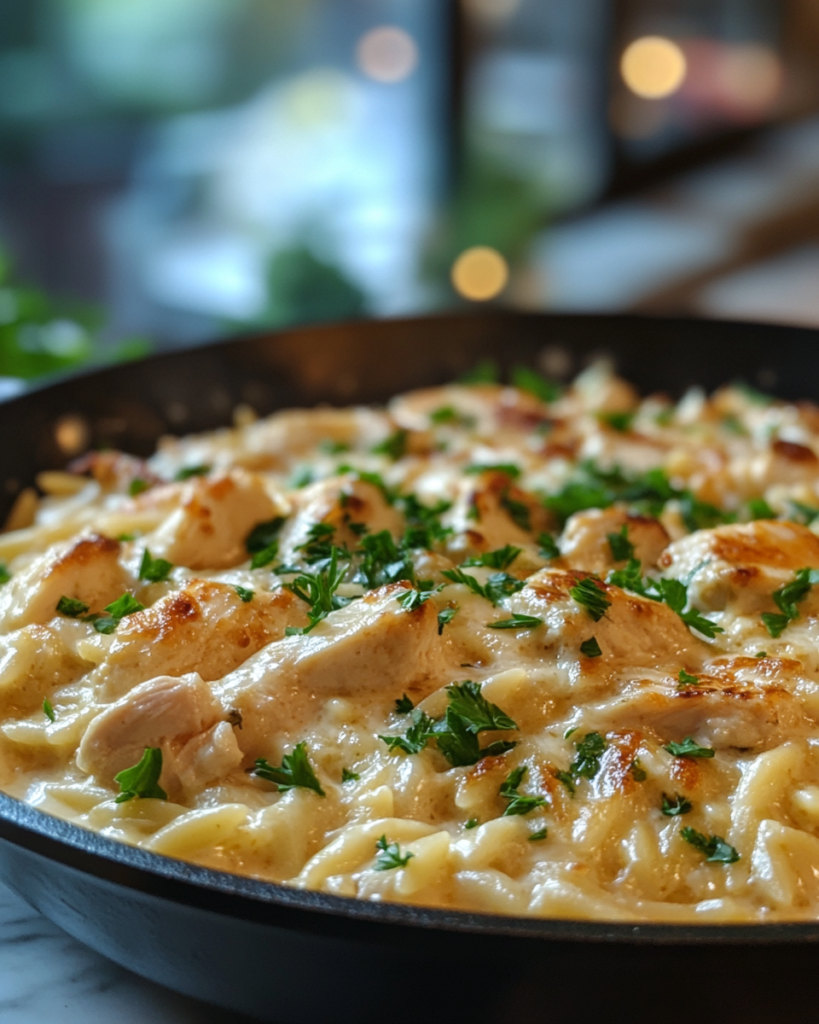
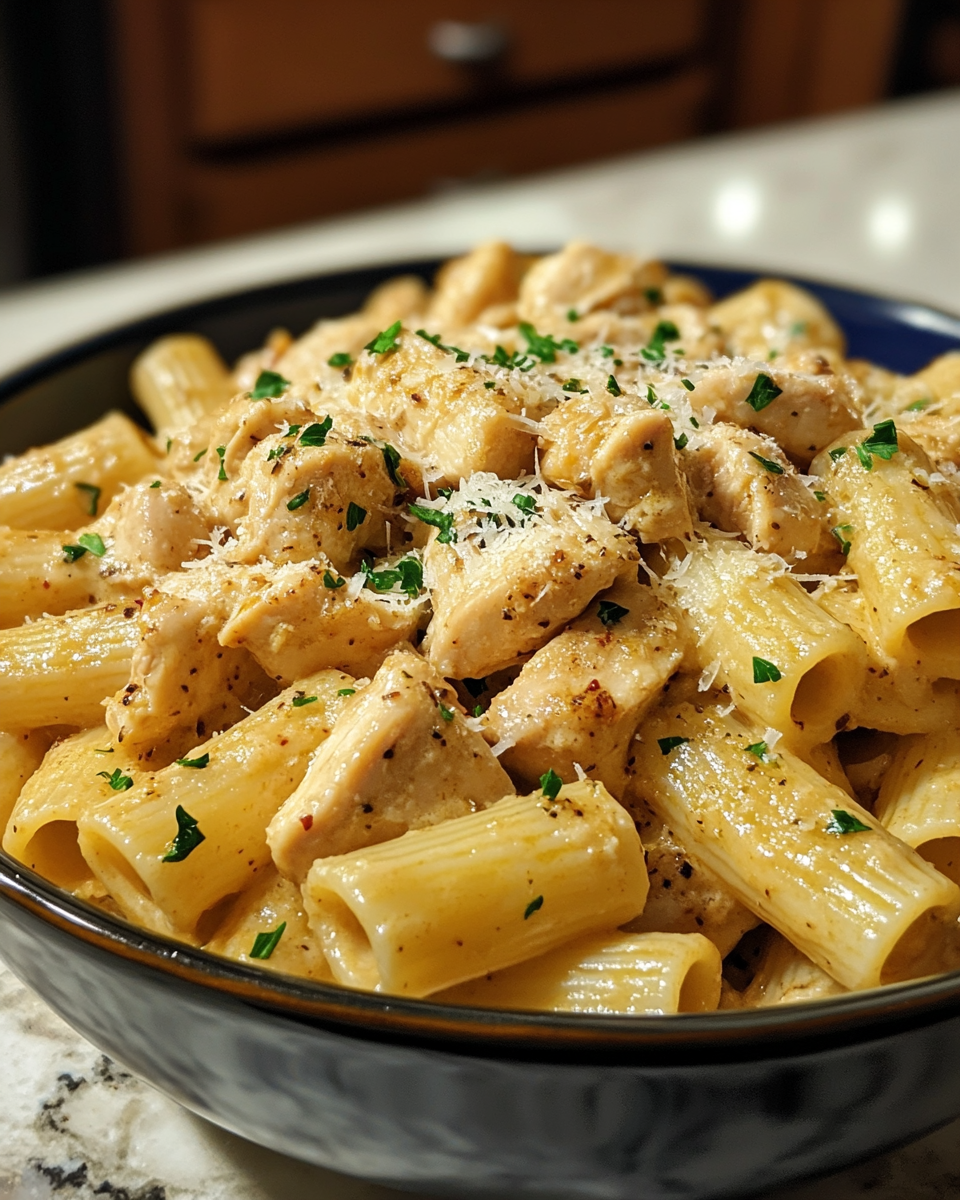
Cheesy Chicken Orzo Skillet combines tender chicken, creamy cheese, soft orzo pasta, and savory seasonings in one comforting pan. This hearty skillet dinner delivers rich flavor and satisfying texture while keeping preparation and cleanup manageable for busy evenings.

The orzo cooks directly in the skillet, soaking up chicken broth and creamy ingredients as it softens into a velvety texture. Juicy chicken pieces blend beautifully with melted cheese and garlic, while spinach adds freshness and color throughout the dish.

This recipe feels warm and filling without requiring complicated preparation. Since everything cooks together in one pan, the flavors blend naturally into a creamy, savory dinner suited for both weeknights and relaxed family meals.

Ingredients Overview
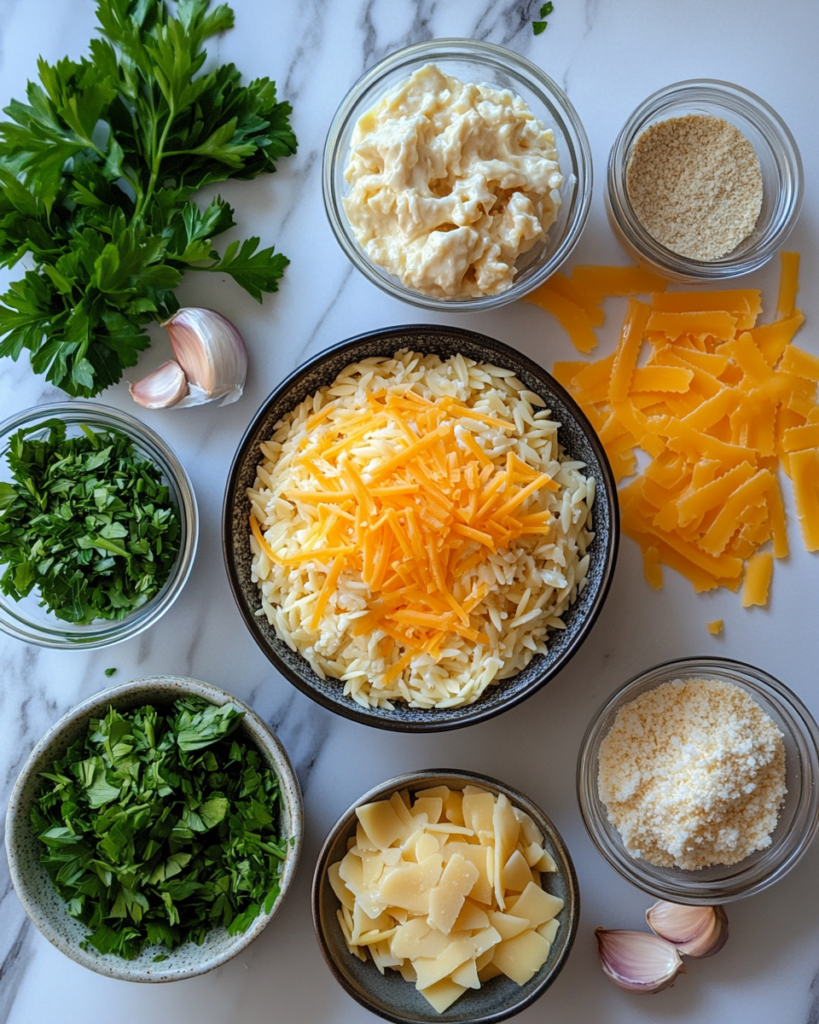
Chicken breast provides lean protein and cooks quickly inside the skillet. Boneless skinless chicken thighs also work nicely when slightly richer flavor and juicier texture are preferred. Small bite-sized pieces cook evenly and blend smoothly with the orzo.

Orzo resembles rice in shape but remains a pasta, giving the dish creamy texture once cooked in broth. Since orzo absorbs liquid gradually, it thickens the skillet naturally without needing excessive cream or flour.

Chicken broth forms the flavorful cooking base for the pasta while helping the chicken stay tender. Garlic and onion create savory depth that balances the creamy cheese sauce.

Cheddar cheese melts smoothly into the skillet and creates rich texture throughout the dish. Parmesan adds salty, nutty flavor that strengthens the overall savoriness. Using freshly grated cheese helps create smoother texture without clumping.

Spinach softens gently into the hot pasta and contributes freshness that balances the richness from cheese and cream. Baby spinach works especially well because it wilts quickly and evenly.

Heavy cream creates silky consistency, though half-and-half can also work for slightly lighter texture. Italian seasoning ties the flavors together through herbs such as oregano, basil, and parsley.

Ingredients

1 1/2 pounds boneless skinless chicken breasts, diced
2 tablespoons olive oil
1 small yellow onion, diced
4 garlic cloves, minced
1 teaspoon Italian seasoning
1/2 teaspoon paprika
1/2 teaspoon salt
1/4 teaspoon black pepper
1 1/2 cups uncooked orzo
3 cups chicken broth
1/2 cup heavy cream
1 1/2 cups shredded cheddar cheese
1/2 cup grated Parmesan cheese
3 cups fresh baby spinach
2 tablespoons chopped parsley

Step-by-Step Instructions

Warm olive oil inside a large deep skillet over medium heat. Once the oil begins shimmering lightly, add the diced chicken in a single layer. Sprinkle with salt, black pepper, paprika, and Italian seasoning.

Cook the chicken for roughly 5 to 7 minutes, stirring occasionally, until lightly golden and fully cooked. The internal temperature should reach 165 degrees Fahrenheit. Transfer the chicken temporarily onto a plate.

Inside the same skillet, add the diced onion. Cook for about 4 minutes until softened and lightly golden around the edges. Stir frequently to prevent burning. Add the minced garlic and cook for another 30 seconds until fragrant.

Pour the uncooked orzo directly into the skillet. Stir constantly for 1 to 2 minutes so the pasta becomes lightly toasted. This step adds subtle depth and helps the orzo maintain pleasant texture during cooking.

Slowly pour in the chicken broth while stirring gently. Scrape the bottom of the skillet to release flavorful browned bits from the chicken and onions. Bring the liquid to a gentle simmer.

Reduce the heat to medium-low and cook uncovered for roughly 10 minutes, stirring occasionally. The orzo gradually absorbs the broth while softening into creamy texture. Stirring prevents sticking and helps the pasta cook evenly.

Once the orzo becomes tender and most liquid has absorbed, return the cooked chicken to the skillet. Stir in the heavy cream and allow the mixture to warm gently for 1 to 2 minutes.

Gradually add the cheddar cheese and Parmesan in small handfuls while stirring continuously. Slow addition helps the cheese melt smoothly into the sauce without clumping.

Add the spinach and fold gently until wilted. Fresh spinach softens quickly inside the warm skillet, usually within 2 minutes.

Taste and adjust seasoning if necessary. Scatter chopped parsley across the top before serving.

Several small cooking details improve the finished dish considerably. Overcooking the orzo can create thick, sticky texture, so stirring regularly and monitoring the liquid level remains important. If the skillet thickens excessively, add a small splash of warm broth.

Using moderate heat during cheese addition also helps maintain silky texture throughout the sauce.

Tips, Variations & Substitutions

Cheesy Chicken Orzo Skillet adapts beautifully to different ingredients and flavor preferences. Chicken thighs create slightly richer flavor and remain especially juicy after simmering in broth.

Mozzarella, Monterey Jack, or Gruyère can replace part of the cheddar for different cheesy texture and flavor. Parmesan remains especially useful because it adds savory depth throughout the skillet.

Broccoli, peas, mushrooms, or sun-dried tomatoes pair naturally with the creamy orzo base. Vegetables with higher moisture content should cook briefly before combining with the pasta to prevent watery sauce.

For lighter texture, half-and-half may replace heavy cream, though the final consistency becomes slightly less rich. Whole milk also works when combined with additional Parmesan cheese.

Fresh herbs such as basil or thyme brighten the finished skillet beautifully. A pinch of crushed red pepper flakes adds gentle warmth without overpowering the creamy sauce.

Leftovers remain suitable for several days when refrigerated inside airtight containers. Since orzo absorbs liquid during storage, adding a splash of broth while reheating restores creamy texture successfully.

Serving Ideas & Occasions

Cheesy Chicken Orzo Skillet fits naturally into busy weeknight dinners, cozy weekend meals, or casual gatherings with family and friends. Since the dish cooks entirely inside one pan, it remains especially practical when simple cleanup becomes important.

Warm garlic bread pairs beautifully with the creamy sauce and soft orzo texture. A crisp green salad with light vinaigrette also balances the richness from cheese and cream.

Roasted vegetables such as asparagus, green beans, or carrots complement the savory chicken and pasta nicely. Sparkling water with citrus or iced tea also pairs comfortably alongside the creamy flavors.

The skillet also works wonderfully for meal preparation because leftovers reheat smoothly with minimal effort. Since the ingredients remain hearty and filling, smaller portions still feel satisfying during lunch or dinner.

Nutritional & Health Notes

Cheesy Chicken Orzo Skillet provides protein from chicken along with calcium from cheese and cream. Spinach contributes iron, fiber, and vitamins while adding freshness and color to the rich skillet.

Choosing lean chicken breast helps balance the creamy ingredients without sacrificing flavor. Reduced-fat cheese and lighter dairy products may also work for those preferring slightly lighter texture.

Portion balance remains useful with creamy pasta dishes. Pairing the skillet with vegetables or salad creates satisfying variety and texture throughout the meal.

Since orzo belongs to the pasta family, the dish contains gluten unless gluten-free pasta alternatives become substituted. Gluten-free small pasta shapes can often replace traditional orzo successfully.

Fresh ingredients such as spinach, parsley, onion, and garlic help brighten the savory richness naturally without requiring excessive seasoning or heavy sauces.

FAQs

Can regular pasta replace orzo?

Several small pasta varieties can replace orzo successfully if needed. Ditalini, small shells, or pearl couscous all work nicely because they cook relatively quickly and absorb creamy sauce beautifully.

Cooking times may vary slightly depending on the pasta shape used. Additional broth might also become necessary if the replacement pasta absorbs more liquid than orzo.

Orzo remains particularly suitable because its small shape creates creamy risotto-like texture while still behaving like pasta. However, similar-sized alternatives can still produce satisfying results with only minor adjustments.

Stirring regularly during cooking remains important regardless of the pasta variety because smaller pasta shapes tend to settle and stick along the bottom of the skillet.

How should leftovers remain stored?

Allow the skillet to cool slightly before transferring leftovers into airtight containers. Refrigerate within two hours after cooking for strongest freshness and texture.

Stored properly, leftovers generally remain suitable for roughly three to four days. Since orzo absorbs additional liquid during refrigeration, the pasta may appear thicker after storage.

Reheat gently over low heat on the stove or inside the microwave using short intervals. Adding a splash of chicken broth, milk, or cream restores smoother texture while preventing dryness.

Avoid overheating because excessive heat may toughen the chicken and affect the creamy consistency of the sauce.

Can this recipe become slightly lighter?

Several ingredient adjustments create lighter variation while preserving creamy texture and savory flavor. Half-and-half or whole milk can replace heavy cream successfully, though the sauce becomes slightly thinner.

Reduced-fat cheese also works nicely, especially when blended with Parmesan for stronger flavor. Lean chicken breast naturally lowers fat content while still remaining filling and satisfying.

Additional vegetables such as broccoli, zucchini, or mushrooms increase volume and nutritional balance without requiring extra cheese or cream.

Brown rice pasta or whole wheat pasta alternatives can also slightly increase fiber depending on dietary preferences. Careful seasoning remains important whenever lighter dairy products become involved because flavor intensity may decrease slightly.

Why did the orzo become sticky?

Sticky texture usually develops when the orzo overcooks or absorbs too much liquid without stirring. Since orzo cooks quickly, monitoring the skillet closely during simmering remains important.

Occasional stirring prevents the pasta from sticking together while helping distribute moisture evenly. Removing the skillet from heat once the orzo becomes tender also prevents continued thickening.

If the skillet appears overly thick, adding small amounts of warm broth gradually helps loosen the texture successfully. Cream sauces naturally continue thickening slightly as they cool.

Maintaining gentle simmering instead of rapid boiling also improves final texture considerably.

Which cheese melts most smoothly in this skillet?

Freshly grated cheddar melts beautifully into the creamy sauce and provides rich flavor throughout the dish. Monterey Jack also works particularly well because of its soft melting texture.

Mozzarella contributes extra creaminess and mild flavor, while Parmesan strengthens savory depth and slightly thickens the sauce naturally.

Packaged pre-shredded cheese occasionally creates grainier texture because anti-caking ingredients can affect melting quality. Freshly grating cheese usually produces smoother consistency.

Gradually adding cheese over low heat while stirring constantly helps preserve silky texture and prevents clumping inside the skillet.

Can vegetables be added to the skillet?

Several vegetables pair naturally with creamy chicken orzo. Mushrooms contribute earthy depth, while broccoli adds hearty texture and color. Peas blend especially well because they cook quickly and add gentle sweetness.

Bell peppers, zucchini, kale, or asparagus can also work successfully depending on seasonal availability and personal preference. Firmer vegetables should cook slightly before adding broth and pasta.

Spinach remains especially convenient because it wilts rapidly without increasing cooking time significantly. Vegetables with high water content should not overcrowd the skillet because excess moisture can dilute the creamy sauce.

Balanced vegetable additions create extra texture and freshness while maintaining the comforting quality of the dish.

Can this skillet be prepared ahead of time?

This recipe performs nicely for meal preparation because the flavors continue blending after refrigeration. Preparing the entire skillet ahead remains possible, though the orzo thickens slightly as it rests.

For strongest texture, slightly undercook the orzo if planning to reheat later. Additional broth or cream during reheating restores smoother consistency successfully.

Fresh herbs and extra cheese taste especially nice when added immediately before serving rather than during storage. Refrigerated portions reheat well for lunches or quick dinners throughout the week.

Since everything cooks inside one skillet, preparation ahead of time also simplifies cleanup and serving considerably.

[rank_math_breadcrumb]

Cheesy Chicken Orzo Skillet: 6 Cozy Family Favorites

Photo of author
Author: Carol
Published:

Cheesy Chicken Orzo Skillet combines tender chicken, creamy cheese, soft orzo pasta, and savory seasonings in one comforting pan. This hearty skillet dinner delivers rich flavor and satisfying texture while keeping preparation and cleanup manageable for busy evenings.

The orzo cooks directly in the skillet, soaking up chicken broth and creamy ingredients as it softens into a velvety texture. Juicy chicken pieces blend beautifully with melted cheese and garlic, while spinach adds freshness and color throughout the dish.

This recipe feels warm and filling without requiring complicated preparation. Since everything cooks together in one pan, the flavors blend naturally into a creamy, savory dinner suited for both weeknights and relaxed family meals.

Ingredients Overview

Chicken breast provides lean protein and cooks quickly inside the skillet. Boneless skinless chicken thighs also work nicely when slightly richer flavor and juicier texture are preferred. Small bite-sized pieces cook evenly and blend smoothly with the orzo.

Orzo resembles rice in shape but remains a pasta, giving the dish creamy texture once cooked in broth. Since orzo absorbs liquid gradually, it thickens the skillet naturally without needing excessive cream or flour.

Chicken broth forms the flavorful cooking base for the pasta while helping the chicken stay tender. Garlic and onion create savory depth that balances the creamy cheese sauce.

Cheddar cheese melts smoothly into the skillet and creates rich texture throughout the dish. Parmesan adds salty, nutty flavor that strengthens the overall savoriness. Using freshly grated cheese helps create smoother texture without clumping.

Spinach softens gently into the hot pasta and contributes freshness that balances the richness from cheese and cream. Baby spinach works especially well because it wilts quickly and evenly.

Heavy cream creates silky consistency, though half-and-half can also work for slightly lighter texture. Italian seasoning ties the flavors together through herbs such as oregano, basil, and parsley.

Ingredients

1 1/2 pounds boneless skinless chicken breasts, diced
2 tablespoons olive oil
1 small yellow onion, diced
4 garlic cloves, minced
1 teaspoon Italian seasoning
1/2 teaspoon paprika
1/2 teaspoon salt
1/4 teaspoon black pepper
1 1/2 cups uncooked orzo
3 cups chicken broth
1/2 cup heavy cream
1 1/2 cups shredded cheddar cheese
1/2 cup grated Parmesan cheese
3 cups fresh baby spinach
2 tablespoons chopped parsley

Step-by-Step Instructions

Warm olive oil inside a large deep skillet over medium heat. Once the oil begins shimmering lightly, add the diced chicken in a single layer. Sprinkle with salt, black pepper, paprika, and Italian seasoning.

Cook the chicken for roughly 5 to 7 minutes, stirring occasionally, until lightly golden and fully cooked. The internal temperature should reach 165 degrees Fahrenheit. Transfer the chicken temporarily onto a plate.

Inside the same skillet, add the diced onion. Cook for about 4 minutes until softened and lightly golden around the edges. Stir frequently to prevent burning. Add the minced garlic and cook for another 30 seconds until fragrant.

Pour the uncooked orzo directly into the skillet. Stir constantly for 1 to 2 minutes so the pasta becomes lightly toasted. This step adds subtle depth and helps the orzo maintain pleasant texture during cooking.

Slowly pour in the chicken broth while stirring gently. Scrape the bottom of the skillet to release flavorful browned bits from the chicken and onions. Bring the liquid to a gentle simmer.

Reduce the heat to medium-low and cook uncovered for roughly 10 minutes, stirring occasionally. The orzo gradually absorbs the broth while softening into creamy texture. Stirring prevents sticking and helps the pasta cook evenly.

Once the orzo becomes tender and most liquid has absorbed, return the cooked chicken to the skillet. Stir in the heavy cream and allow the mixture to warm gently for 1 to 2 minutes.

Gradually add the cheddar cheese and Parmesan in small handfuls while stirring continuously. Slow addition helps the cheese melt smoothly into the sauce without clumping.

Add the spinach and fold gently until wilted. Fresh spinach softens quickly inside the warm skillet, usually within 2 minutes.

Taste and adjust seasoning if necessary. Scatter chopped parsley across the top before serving.

Several small cooking details improve the finished dish considerably. Overcooking the orzo can create thick, sticky texture, so stirring regularly and monitoring the liquid level remains important. If the skillet thickens excessively, add a small splash of warm broth.

Using moderate heat during cheese addition also helps maintain silky texture throughout the sauce.

Tips, Variations & Substitutions

Cheesy Chicken Orzo Skillet adapts beautifully to different ingredients and flavor preferences. Chicken thighs create slightly richer flavor and remain especially juicy after simmering in broth.

Mozzarella, Monterey Jack, or Gruyère can replace part of the cheddar for different cheesy texture and flavor. Parmesan remains especially useful because it adds savory depth throughout the skillet.

Broccoli, peas, mushrooms, or sun-dried tomatoes pair naturally with the creamy orzo base. Vegetables with higher moisture content should cook briefly before combining with the pasta to prevent watery sauce.

For lighter texture, half-and-half may replace heavy cream, though the final consistency becomes slightly less rich. Whole milk also works when combined with additional Parmesan cheese.

Fresh herbs such as basil or thyme brighten the finished skillet beautifully. A pinch of crushed red pepper flakes adds gentle warmth without overpowering the creamy sauce.

Leftovers remain suitable for several days when refrigerated inside airtight containers. Since orzo absorbs liquid during storage, adding a splash of broth while reheating restores creamy texture successfully.

Serving Ideas & Occasions

Cheesy Chicken Orzo Skillet fits naturally into busy weeknight dinners, cozy weekend meals, or casual gatherings with family and friends. Since the dish cooks entirely inside one pan, it remains especially practical when simple cleanup becomes important.

Warm garlic bread pairs beautifully with the creamy sauce and soft orzo texture. A crisp green salad with light vinaigrette also balances the richness from cheese and cream.

Roasted vegetables such as asparagus, green beans, or carrots complement the savory chicken and pasta nicely. Sparkling water with citrus or iced tea also pairs comfortably alongside the creamy flavors.

The skillet also works wonderfully for meal preparation because leftovers reheat smoothly with minimal effort. Since the ingredients remain hearty and filling, smaller portions still feel satisfying during lunch or dinner.

Nutritional & Health Notes

Cheesy Chicken Orzo Skillet provides protein from chicken along with calcium from cheese and cream. Spinach contributes iron, fiber, and vitamins while adding freshness and color to the rich skillet.

Choosing lean chicken breast helps balance the creamy ingredients without sacrificing flavor. Reduced-fat cheese and lighter dairy products may also work for those preferring slightly lighter texture.

Portion balance remains useful with creamy pasta dishes. Pairing the skillet with vegetables or salad creates satisfying variety and texture throughout the meal.

Since orzo belongs to the pasta family, the dish contains gluten unless gluten-free pasta alternatives become substituted. Gluten-free small pasta shapes can often replace traditional orzo successfully.

Fresh ingredients such as spinach, parsley, onion, and garlic help brighten the savory richness naturally without requiring excessive seasoning or heavy sauces.

FAQs

Can regular pasta replace orzo?

Several small pasta varieties can replace orzo successfully if needed. Ditalini, small shells, or pearl couscous all work nicely because they cook relatively quickly and absorb creamy sauce beautifully.

Cooking times may vary slightly depending on the pasta shape used. Additional broth might also become necessary if the replacement pasta absorbs more liquid than orzo.

Orzo remains particularly suitable because its small shape creates creamy risotto-like texture while still behaving like pasta. However, similar-sized alternatives can still produce satisfying results with only minor adjustments.

Stirring regularly during cooking remains important regardless of the pasta variety because smaller pasta shapes tend to settle and stick along the bottom of the skillet.

How should leftovers remain stored?

Allow the skillet to cool slightly before transferring leftovers into airtight containers. Refrigerate within two hours after cooking for strongest freshness and texture.

Stored properly, leftovers generally remain suitable for roughly three to four days. Since orzo absorbs additional liquid during refrigeration, the pasta may appear thicker after storage.

Reheat gently over low heat on the stove or inside the microwave using short intervals. Adding a splash of chicken broth, milk, or cream restores smoother texture while preventing dryness.

Avoid overheating because excessive heat may toughen the chicken and affect the creamy consistency of the sauce.

Can this recipe become slightly lighter?

Several ingredient adjustments create lighter variation while preserving creamy texture and savory flavor. Half-and-half or whole milk can replace heavy cream successfully, though the sauce becomes slightly thinner.

Reduced-fat cheese also works nicely, especially when blended with Parmesan for stronger flavor. Lean chicken breast naturally lowers fat content while still remaining filling and satisfying.

Additional vegetables such as broccoli, zucchini, or mushrooms increase volume and nutritional balance without requiring extra cheese or cream.

Brown rice pasta or whole wheat pasta alternatives can also slightly increase fiber depending on dietary preferences. Careful seasoning remains important whenever lighter dairy products become involved because flavor intensity may decrease slightly.

Why did the orzo become sticky?

Sticky texture usually develops when the orzo overcooks or absorbs too much liquid without stirring. Since orzo cooks quickly, monitoring the skillet closely during simmering remains important.

Occasional stirring prevents the pasta from sticking together while helping distribute moisture evenly. Removing the skillet from heat once the orzo becomes tender also prevents continued thickening.

If the skillet appears overly thick, adding small amounts of warm broth gradually helps loosen the texture successfully. Cream sauces naturally continue thickening slightly as they cool.

Maintaining gentle simmering instead of rapid boiling also improves final texture considerably.

Which cheese melts most smoothly in this skillet?

Freshly grated cheddar melts beautifully into the creamy sauce and provides rich flavor throughout the dish. Monterey Jack also works particularly well because of its soft melting texture.

Mozzarella contributes extra creaminess and mild flavor, while Parmesan strengthens savory depth and slightly thickens the sauce naturally.

Packaged pre-shredded cheese occasionally creates grainier texture because anti-caking ingredients can affect melting quality. Freshly grating cheese usually produces smoother consistency.

Gradually adding cheese over low heat while stirring constantly helps preserve silky texture and prevents clumping inside the skillet.

Can vegetables be added to the skillet?

Several vegetables pair naturally with creamy chicken orzo. Mushrooms contribute earthy depth, while broccoli adds hearty texture and color. Peas blend especially well because they cook quickly and add gentle sweetness.

Bell peppers, zucchini, kale, or asparagus can also work successfully depending on seasonal availability and personal preference. Firmer vegetables should cook slightly before adding broth and pasta.

Spinach remains especially convenient because it wilts rapidly without increasing cooking time significantly. Vegetables with high water content should not overcrowd the skillet because excess moisture can dilute the creamy sauce.

Balanced vegetable additions create extra texture and freshness while maintaining the comforting quality of the dish.

Can this skillet be prepared ahead of time?

This recipe performs nicely for meal preparation because the flavors continue blending after refrigeration. Preparing the entire skillet ahead remains possible, though the orzo thickens slightly as it rests.

For strongest texture, slightly undercook the orzo if planning to reheat later. Additional broth or cream during reheating restores smoother consistency successfully.

Fresh herbs and extra cheese taste especially nice when added immediately before serving rather than during storage. Refrigerated portions reheat well for lunches or quick dinners throughout the week.

Since everything cooks inside one skillet, preparation ahead of time also simplifies cleanup and serving considerably.
Name

Lorem ipsum dolor sit amet, consectetur adipiscing elit. Suspendisse varius enim in eros elementum tristique. Duis cursus, mi quis viverra ornare, eros dolor interdum nulla, ut commodo diam libero vitae erat.

You Might Also Like...

Lemon Herb Chicken Thighs: 7 Cozy Family Favorites

Lemon Herb Chicken Thighs: 7 Cozy Family Favorites

Beef and Broccoli Stir Fry: 6 Savory Skillet Favorites

Beef and Broccoli Stir Fry: 6 Savory Skillet Favorites

Creamy Cajun Chicken Pasta: 5 Rich Dinner Favorites

Creamy Cajun Chicken Pasta: 5 Rich Dinner Favorites

Garlic Butter Chicken Bake: 5 Cozy Family Dinner Tips

Garlic Butter Chicken Bake: 5 Cozy Family Dinner Tips

Tags:

You might also like these recipes

Leave a Comment