Cheesy Taco Pasta: 30-Minute Simple Comfort Bowl

Posted on

Uncategorized

Difficulty

Prep time

Cooking time

Total time

Servings

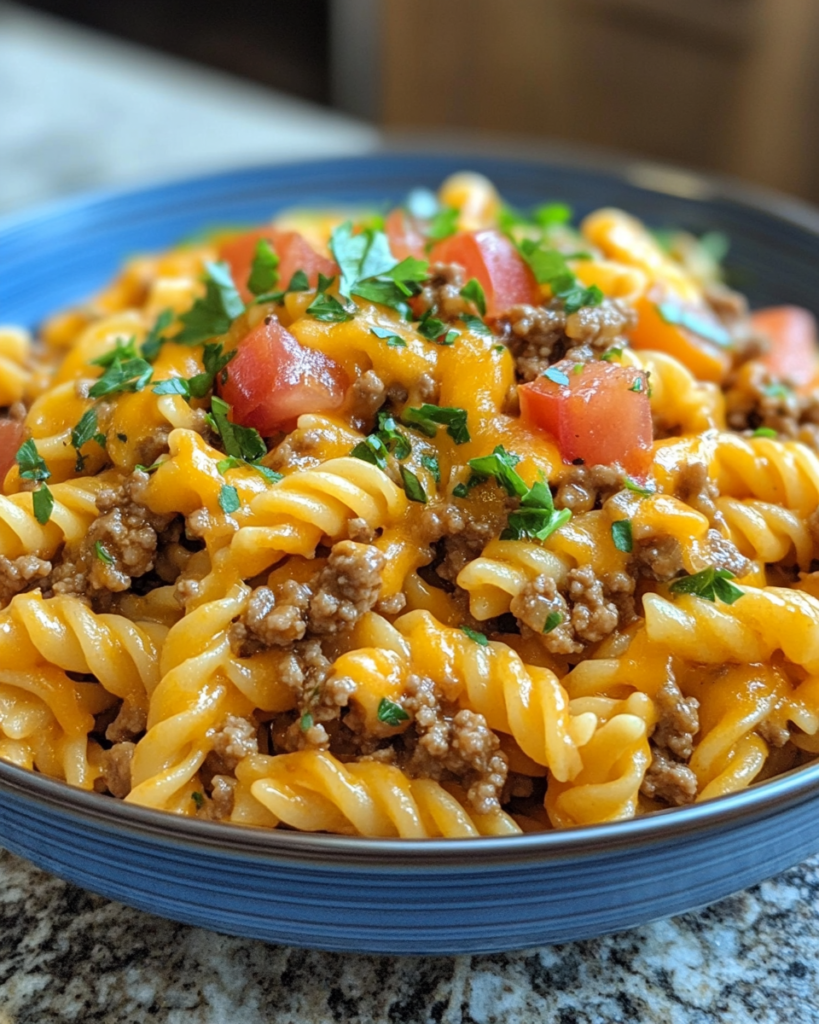
Cheesy Taco Pasta brings together tender pasta, seasoned beef, melted cheese, and bold taco-inspired flavor in one hearty skillet. This dinner has the rich texture of creamy macaroni paired with the savory taste of taco night, creating a filling dish that works well for busy evenings, casual gatherings, or relaxed weekend suppers.

The combination of tomatoes, spices, pasta, and cheese creates a thick, satisfying sauce that coats every bite. Ground beef adds richness while cheddar melts into the sauce for a creamy finish. A small amount of sour cream softens the spice blend and gives the pasta a velvety texture without becoming too heavy.

This dish comes together with pantry staples and cooks in under an hour, which makes it practical for families or anyone searching for a warm homemade dinner without a complicated process. Fresh toppings such as cilantro, green onions, diced tomatoes, or sliced jalapeños bring color and freshness to the final bowl.

Cheesy Taco Pasta also stores well for later meals. The flavors deepen after resting overnight, giving leftovers an even richer flavor the next day. Since the ingredients are flexible, this recipe also adapts easily for different spice levels or protein choices.

Ingredients Overview

Cheesy Taco Pasta relies on a balance of savory meat, creamy cheese, pasta, tomatoes, and warm spices. Each ingredient plays a specific role in creating the rich texture and taco-inspired flavor that defines the dish.

Ground beef forms the savory foundation. An 85/15 blend works particularly well because it carries flavor without leaving too much grease in the pan. Ground turkey or chicken can also work for a lighter variation, though they produce a slightly milder taste.

Pasta acts as the base that absorbs the sauce. Medium shapes such as rotini, shells, or elbow pasta hold the cheese sauce well and catch bits of meat and tomatoes in every bite. Cooking the pasta just until tender keeps it from becoming too soft after mixing with the sauce.

Diced tomatoes and tomato sauce provide acidity and moisture. Their bright flavor balances the richness from the cheese and beef. Taco seasoning brings chili powder, cumin, garlic, onion, and paprika into the dish, creating familiar taco flavor throughout the skillet.

Cheddar cheese gives the sauce its creamy body. Sharp cheddar produces a stronger flavor, while mild cheddar creates a smoother, softer finish. Monterey Jack can also work nicely for additional creaminess.

Sour cream softens the spice mixture and thickens the sauce slightly. A small amount goes a long way in creating a smooth texture. For a tangier finish, plain Greek yogurt can replace sour cream.

Fresh toppings add contrast. Green onions, cilantro, avocado, or jalapeños bring freshness and color that balance the rich pasta and cheese.

Ingredients

1 pound ground beef

12 ounces rotini pasta

1 tablespoon olive oil

1 small yellow onion, finely diced

3 cloves garlic, minced

1 packet taco seasoning

1 teaspoon chili powder

1/2 teaspoon smoked paprika

1/2 teaspoon cumin

1 can diced tomatoes, drained

1 can tomato sauce

2 cups beef broth

1 cup whole milk

2 cups shredded cheddar cheese

1/2 cup Monterey Jack cheese

1/2 cup sour cream

1/2 teaspoon salt

1/4 teaspoon black pepper

1 tablespoon chopped cilantro

2 green onions, sliced

Diced avocado for serving

Crushed tortilla chips for serving

Sliced jalapeños for serving

Step-by-Step Instructions

Bring a large pot of salted water to a boil. Add the rotini pasta and cook until just tender according to package directions. Drain the pasta and set it aside. Avoid overcooking because the pasta continues softening slightly once combined with the hot sauce later.

While the pasta cooks, place a large deep skillet over medium heat. Add the olive oil and diced onion. Cook for about 4 minutes until the onion softens and turns lightly golden around the edges. Stir in the garlic and cook for another 30 seconds until fragrant.

Add the ground beef to the skillet. Break it apart with a wooden spoon while cooking. Continue stirring until the meat browns fully and no pink remains. Drain excess grease if necessary so the sauce stays creamy rather than oily.

Sprinkle in the taco seasoning, chili powder, smoked paprika, cumin, salt, and black pepper. Stir thoroughly so the spices coat the beef evenly. Cooking the spices briefly in the hot skillet deepens their flavor and gives the dish a richer taco-style taste.

Pour in the diced tomatoes, tomato sauce, beef broth, and milk. Stir well and bring the mixture to a gentle simmer. Allow the sauce to cook for about 6 to 8 minutes so it thickens slightly. Stir occasionally to prevent sticking along the bottom of the pan.

Reduce the heat to low. Slowly stir in the shredded cheddar and Monterey Jack cheese one handful at a time. Stir continuously until the cheese melts fully into the sauce. Adding the cheese gradually prevents clumping and keeps the sauce smooth.

Fold the cooked pasta into the skillet. Stir carefully until every piece of pasta is coated in the thick cheesy sauce. If the mixture appears too thick, add a small splash of broth or milk.

Remove the skillet from the heat and stir in the sour cream. This final addition creates a silky texture and balances the spices with a mild tangy flavor. Taste the pasta and adjust seasoning if needed.

Scatter chopped cilantro and sliced green onions over the top. Serve the pasta hot with avocado, jalapeños, or crushed tortilla chips for added texture.

A common mistake with this recipe involves overheating the cheese sauce. High heat can cause the cheese to separate or become grainy. Keeping the heat low during the final stage keeps the sauce creamy and smooth.

Tips, Variations & Substitutions

Cheesy Taco Pasta adapts easily depending on dietary needs or personal preference. Ground turkey creates a lighter version while still carrying the taco seasoning nicely. Ground chicken also works well, especially with pepper jack cheese for additional flavor.

For a richer texture, stir a small amount of cream cheese into the sauce along with the shredded cheese. This creates a thicker consistency that clings closely to the pasta. If a thinner sauce is preferred, add extra broth during the final mixing stage.

Black beans or corn can bring extra texture and stretch the meal further. Stir them into the sauce shortly before adding the pasta so they warm through without becoming mushy.

For added spice, include diced chipotle peppers or cayenne pepper. A milder variation can use mild taco seasoning and extra sour cream to soften the heat level.

Gluten-free pasta works successfully in this recipe, though shorter cooking times often help maintain texture. Dairy-free shredded cheese and oat milk can replace traditional dairy products for a lactose-free version.

Fresh toppings can completely shift the flavor profile. Pico de gallo gives brightness while sliced olives add saltiness. Crushed tortilla chips create crunch that contrasts nicely with the creamy pasta.

Leftovers store well in an airtight container for up to four days. Reheat gently with a splash of milk so the sauce stays smooth.

Serving Ideas & Occasions

Cheesy Taco Pasta works well for relaxed family dinners, casual gatherings, potlucks, or game-day meals. Since it cooks in one skillet after the pasta boils, cleanup stays manageable even during busy evenings.

This dish pairs nicely with crisp green salads dressed with lime vinaigrette or simple roasted vegetables. Garlic bread or warm flour tortillas also complement the cheesy sauce and taco seasoning.

Cold sparkling water with lime, iced tea, or citrus-based drinks balance the richness of the pasta. For larger gatherings, serving the pasta beside salsa, guacamole, and tortilla chips creates a taco-inspired dinner spread with minimal extra work.

The hearty texture also suits cooler weather meals when warm comfort food feels especially satisfying. Since the recipe reheats well, it can also serve as meal prep for weekday lunches.

A topping bar with jalapeños, cilantro, diced tomatoes, sour cream, and avocado allows guests to customize each bowl according to personal taste.

Nutritional & Health Notes

Cheesy Taco Pasta contains a balanced combination of protein, carbohydrates, and fats, making it a filling main course. Ground beef contributes protein and iron, while pasta supplies energy-rich carbohydrates that help create a satisfying meal.

Using reduced-fat cheese and leaner meat can lighten the overall richness without changing the flavor significantly. Greek yogurt can replace sour cream for additional protein and a slightly tangier finish.

Tomatoes contribute vitamin C and acidity that balance the creamy cheese sauce. Fresh toppings such as avocado and cilantro add texture along with nutrients and freshness.

Portion size plays an important role because the dish is fairly rich due to the cheese and pasta combination. Serving the pasta with vegetables or salad can balance the meal nicely.

Whole wheat pasta may also work for additional fiber and a slightly nuttier flavor. Since the recipe contains dairy, gluten, and cheese, adjustments may be necessary for specific dietary needs.

Homemade taco seasoning can also reduce sodium levels compared to packaged blends while allowing more control over spice intensity.

FAQs

Can I prepare Cheesy Taco Pasta ahead of time?

Cheesy Taco Pasta works very well as a prepare-ahead dinner. The pasta and sauce can be cooked earlier in the day and stored separately in the refrigerator. Keeping them separate helps the pasta maintain a firmer texture. Shortly before serving, warm the sauce gently over low heat and stir in the pasta until heated through.

If storing the fully assembled dish, allow it to cool completely before refrigerating. During reheating, add a small splash of milk or broth because the pasta absorbs some moisture overnight. Gentle reheating keeps the cheese sauce creamy instead of thick or dry.

This recipe also freezes fairly well for future meals. Store portions in airtight containers for up to two months and thaw overnight before reheating slowly on the stovetop.

Which pasta shape works nicely for this recipe?

Short pasta shapes hold the sauce particularly well in Cheesy Taco Pasta. Rotini, shells, cavatappi, and elbow pasta all trap bits of cheese sauce and seasoned meat inside their curves and ridges. This gives every bite a balanced texture and flavor.

Rotini remains one of the strongest choices because the spiral shape catches the thick sauce evenly. Shells also work nicely since the sauce settles inside each piece. Long pasta such as spaghetti does not carry the chunky taco-style sauce as effectively and can create a less cohesive texture.

Cooking the pasta until just tender is important regardless of shape. Slightly firm pasta prevents the final skillet from turning overly soft after combining with the hot cheese sauce.

How can I keep the cheese sauce smooth?

Smooth cheese sauce depends mostly on temperature control and gradual mixing. After the sauce base simmers, reduce the heat before adding shredded cheese. High heat may cause the cheese to separate or develop a grainy texture.

Freshly shredded cheese usually melts more smoothly than pre-shredded varieties because packaged cheese often contains anti-caking powders. Stirring the cheese into the sauce a little at a time also creates a creamier consistency.

Milk and sour cream help soften the texture further. If the sauce thickens too much, adding small amounts of broth while stirring usually restores a silky texture quickly. Constant stirring during the melting stage also prevents sticking along the skillet bottom.

Can I turn this into a vegetarian dinner?

Cheesy Taco Pasta can become a satisfying vegetarian meal with a few simple ingredient changes. Black beans, pinto beans, or lentils work nicely in place of ground beef while still creating a hearty texture.

A mixture of mushrooms and beans also adds savory depth that pairs nicely with taco seasoning and cheese. Vegetable broth can replace beef broth without changing the creamy consistency significantly.

Since the pasta already contains cheese and tomatoes, the dish still feels rich and filling even without meat. Corn, bell peppers, and zucchini can also add extra texture and color.

The cooking method remains nearly identical. Simply sauté the vegetables first, stir in the seasoning and liquids, then continue with the cheese and pasta as directed.

What toppings pair nicely with Cheesy Taco Pasta?

Fresh toppings create contrast against the creamy pasta and rich cheese sauce. Chopped cilantro adds freshness while sliced jalapeños contribute extra heat. Diced avocado gives a creamy texture that complements the taco seasoning nicely.

Green onions provide a mild sharpness that brightens the dish. Crushed tortilla chips add crunch and help reinforce the taco-inspired flavor profile. Pico de gallo also pairs nicely because its acidity balances the richness from the cheese and beef.

For additional creaminess, extra sour cream can be spooned over each serving. Shredded lettuce may sound unusual for pasta, though it creates a crisp texture similar to taco toppings.

Offering several toppings separately allows everyone at the table to customize individual bowls according to personal preference.

How spicy is this recipe?

Cheesy Taco Pasta usually falls into a mild-to-medium spice range depending on the taco seasoning used. The cheese, milk, and sour cream soften the spices considerably, creating a balanced flavor that suits many households.

For a milder version, choose mild taco seasoning and skip extra jalapeños or cayenne pepper. Additional sour cream can also soften the spice level further without thinning the sauce too much.

For a hotter version, chipotle peppers, diced green chiles, or hot sauce can be stirred into the sauce during simmering. Pepper jack cheese also adds gentle heat while keeping the sauce creamy.

Since spice tolerance varies widely, starting with moderate seasoning and adjusting afterward often produces the most balanced final result.

How long do leftovers stay fresh?

Stored properly in an airtight container, Cheesy Taco Pasta generally stays fresh for up to four days in the refrigerator. The flavors deepen slightly overnight, which many people enjoy even more the next day.

The pasta naturally absorbs some of the sauce during storage, so leftovers may appear thicker after chilling. Reheating gently with a splash of milk or broth usually restores the creamy consistency quickly.

Microwave reheating works for quick meals, though stovetop reheating over low heat gives the smoothest texture. Stir occasionally while warming so the cheese sauce heats evenly.

For freezing, cool the pasta completely before transferring it into freezer-safe containers. Thaw overnight in the refrigerator before reheating slowly for the strongest texture and flavor.

………………..

[rank_math_breadcrumb]

Cheesy Taco Pasta: 30-Minute Simple Comfort Bowl

Photo of author
Author: Carol
Published:

Cheesy Taco Pasta brings together tender pasta, seasoned beef, melted cheese, and bold taco-inspired flavor in one hearty skillet. This dinner has the rich texture of creamy macaroni paired with the savory taste of taco night, creating a filling dish that works well for busy evenings, casual gatherings, or relaxed weekend suppers.

The combination of tomatoes, spices, pasta, and cheese creates a thick, satisfying sauce that coats every bite. Ground beef adds richness while cheddar melts into the sauce for a creamy finish. A small amount of sour cream softens the spice blend and gives the pasta a velvety texture without becoming too heavy.

This dish comes together with pantry staples and cooks in under an hour, which makes it practical for families or anyone searching for a warm homemade dinner without a complicated process. Fresh toppings such as cilantro, green onions, diced tomatoes, or sliced jalapeños bring color and freshness to the final bowl.

Cheesy Taco Pasta also stores well for later meals. The flavors deepen after resting overnight, giving leftovers an even richer flavor the next day. Since the ingredients are flexible, this recipe also adapts easily for different spice levels or protein choices.

Ingredients Overview

Cheesy Taco Pasta relies on a balance of savory meat, creamy cheese, pasta, tomatoes, and warm spices. Each ingredient plays a specific role in creating the rich texture and taco-inspired flavor that defines the dish.

Ground beef forms the savory foundation. An 85/15 blend works particularly well because it carries flavor without leaving too much grease in the pan. Ground turkey or chicken can also work for a lighter variation, though they produce a slightly milder taste.

Pasta acts as the base that absorbs the sauce. Medium shapes such as rotini, shells, or elbow pasta hold the cheese sauce well and catch bits of meat and tomatoes in every bite. Cooking the pasta just until tender keeps it from becoming too soft after mixing with the sauce.

Diced tomatoes and tomato sauce provide acidity and moisture. Their bright flavor balances the richness from the cheese and beef. Taco seasoning brings chili powder, cumin, garlic, onion, and paprika into the dish, creating familiar taco flavor throughout the skillet.

Cheddar cheese gives the sauce its creamy body. Sharp cheddar produces a stronger flavor, while mild cheddar creates a smoother, softer finish. Monterey Jack can also work nicely for additional creaminess.

Sour cream softens the spice mixture and thickens the sauce slightly. A small amount goes a long way in creating a smooth texture. For a tangier finish, plain Greek yogurt can replace sour cream.

Fresh toppings add contrast. Green onions, cilantro, avocado, or jalapeños bring freshness and color that balance the rich pasta and cheese.

Ingredients

1 pound ground beef

12 ounces rotini pasta

1 tablespoon olive oil

1 small yellow onion, finely diced

3 cloves garlic, minced

1 packet taco seasoning

1 teaspoon chili powder

1/2 teaspoon smoked paprika

1/2 teaspoon cumin

1 can diced tomatoes, drained

1 can tomato sauce

2 cups beef broth

1 cup whole milk

2 cups shredded cheddar cheese

1/2 cup Monterey Jack cheese

1/2 cup sour cream

1/2 teaspoon salt

1/4 teaspoon black pepper

1 tablespoon chopped cilantro

2 green onions, sliced

Diced avocado for serving

Crushed tortilla chips for serving

Sliced jalapeños for serving

Step-by-Step Instructions

Bring a large pot of salted water to a boil. Add the rotini pasta and cook until just tender according to package directions. Drain the pasta and set it aside. Avoid overcooking because the pasta continues softening slightly once combined with the hot sauce later.

While the pasta cooks, place a large deep skillet over medium heat. Add the olive oil and diced onion. Cook for about 4 minutes until the onion softens and turns lightly golden around the edges. Stir in the garlic and cook for another 30 seconds until fragrant.

Add the ground beef to the skillet. Break it apart with a wooden spoon while cooking. Continue stirring until the meat browns fully and no pink remains. Drain excess grease if necessary so the sauce stays creamy rather than oily.

Sprinkle in the taco seasoning, chili powder, smoked paprika, cumin, salt, and black pepper. Stir thoroughly so the spices coat the beef evenly. Cooking the spices briefly in the hot skillet deepens their flavor and gives the dish a richer taco-style taste.

Pour in the diced tomatoes, tomato sauce, beef broth, and milk. Stir well and bring the mixture to a gentle simmer. Allow the sauce to cook for about 6 to 8 minutes so it thickens slightly. Stir occasionally to prevent sticking along the bottom of the pan.

Reduce the heat to low. Slowly stir in the shredded cheddar and Monterey Jack cheese one handful at a time. Stir continuously until the cheese melts fully into the sauce. Adding the cheese gradually prevents clumping and keeps the sauce smooth.

Fold the cooked pasta into the skillet. Stir carefully until every piece of pasta is coated in the thick cheesy sauce. If the mixture appears too thick, add a small splash of broth or milk.

Remove the skillet from the heat and stir in the sour cream. This final addition creates a silky texture and balances the spices with a mild tangy flavor. Taste the pasta and adjust seasoning if needed.

Scatter chopped cilantro and sliced green onions over the top. Serve the pasta hot with avocado, jalapeños, or crushed tortilla chips for added texture.

A common mistake with this recipe involves overheating the cheese sauce. High heat can cause the cheese to separate or become grainy. Keeping the heat low during the final stage keeps the sauce creamy and smooth.

Tips, Variations & Substitutions

Cheesy Taco Pasta adapts easily depending on dietary needs or personal preference. Ground turkey creates a lighter version while still carrying the taco seasoning nicely. Ground chicken also works well, especially with pepper jack cheese for additional flavor.

For a richer texture, stir a small amount of cream cheese into the sauce along with the shredded cheese. This creates a thicker consistency that clings closely to the pasta. If a thinner sauce is preferred, add extra broth during the final mixing stage.

Black beans or corn can bring extra texture and stretch the meal further. Stir them into the sauce shortly before adding the pasta so they warm through without becoming mushy.

For added spice, include diced chipotle peppers or cayenne pepper. A milder variation can use mild taco seasoning and extra sour cream to soften the heat level.

Gluten-free pasta works successfully in this recipe, though shorter cooking times often help maintain texture. Dairy-free shredded cheese and oat milk can replace traditional dairy products for a lactose-free version.

Fresh toppings can completely shift the flavor profile. Pico de gallo gives brightness while sliced olives add saltiness. Crushed tortilla chips create crunch that contrasts nicely with the creamy pasta.

Leftovers store well in an airtight container for up to four days. Reheat gently with a splash of milk so the sauce stays smooth.

Serving Ideas & Occasions

Cheesy Taco Pasta works well for relaxed family dinners, casual gatherings, potlucks, or game-day meals. Since it cooks in one skillet after the pasta boils, cleanup stays manageable even during busy evenings.

This dish pairs nicely with crisp green salads dressed with lime vinaigrette or simple roasted vegetables. Garlic bread or warm flour tortillas also complement the cheesy sauce and taco seasoning.

Cold sparkling water with lime, iced tea, or citrus-based drinks balance the richness of the pasta. For larger gatherings, serving the pasta beside salsa, guacamole, and tortilla chips creates a taco-inspired dinner spread with minimal extra work.

The hearty texture also suits cooler weather meals when warm comfort food feels especially satisfying. Since the recipe reheats well, it can also serve as meal prep for weekday lunches.

A topping bar with jalapeños, cilantro, diced tomatoes, sour cream, and avocado allows guests to customize each bowl according to personal taste.

Nutritional & Health Notes

Cheesy Taco Pasta contains a balanced combination of protein, carbohydrates, and fats, making it a filling main course. Ground beef contributes protein and iron, while pasta supplies energy-rich carbohydrates that help create a satisfying meal.

Using reduced-fat cheese and leaner meat can lighten the overall richness without changing the flavor significantly. Greek yogurt can replace sour cream for additional protein and a slightly tangier finish.

Tomatoes contribute vitamin C and acidity that balance the creamy cheese sauce. Fresh toppings such as avocado and cilantro add texture along with nutrients and freshness.

Portion size plays an important role because the dish is fairly rich due to the cheese and pasta combination. Serving the pasta with vegetables or salad can balance the meal nicely.

Whole wheat pasta may also work for additional fiber and a slightly nuttier flavor. Since the recipe contains dairy, gluten, and cheese, adjustments may be necessary for specific dietary needs.

Homemade taco seasoning can also reduce sodium levels compared to packaged blends while allowing more control over spice intensity.

FAQs

Can I prepare Cheesy Taco Pasta ahead of time?

Cheesy Taco Pasta works very well as a prepare-ahead dinner. The pasta and sauce can be cooked earlier in the day and stored separately in the refrigerator. Keeping them separate helps the pasta maintain a firmer texture. Shortly before serving, warm the sauce gently over low heat and stir in the pasta until heated through.

If storing the fully assembled dish, allow it to cool completely before refrigerating. During reheating, add a small splash of milk or broth because the pasta absorbs some moisture overnight. Gentle reheating keeps the cheese sauce creamy instead of thick or dry.

This recipe also freezes fairly well for future meals. Store portions in airtight containers for up to two months and thaw overnight before reheating slowly on the stovetop.

Which pasta shape works nicely for this recipe?

Short pasta shapes hold the sauce particularly well in Cheesy Taco Pasta. Rotini, shells, cavatappi, and elbow pasta all trap bits of cheese sauce and seasoned meat inside their curves and ridges. This gives every bite a balanced texture and flavor.

Rotini remains one of the strongest choices because the spiral shape catches the thick sauce evenly. Shells also work nicely since the sauce settles inside each piece. Long pasta such as spaghetti does not carry the chunky taco-style sauce as effectively and can create a less cohesive texture.

Cooking the pasta until just tender is important regardless of shape. Slightly firm pasta prevents the final skillet from turning overly soft after combining with the hot cheese sauce.

How can I keep the cheese sauce smooth?

Smooth cheese sauce depends mostly on temperature control and gradual mixing. After the sauce base simmers, reduce the heat before adding shredded cheese. High heat may cause the cheese to separate or develop a grainy texture.

Freshly shredded cheese usually melts more smoothly than pre-shredded varieties because packaged cheese often contains anti-caking powders. Stirring the cheese into the sauce a little at a time also creates a creamier consistency.

Milk and sour cream help soften the texture further. If the sauce thickens too much, adding small amounts of broth while stirring usually restores a silky texture quickly. Constant stirring during the melting stage also prevents sticking along the skillet bottom.

Can I turn this into a vegetarian dinner?

Cheesy Taco Pasta can become a satisfying vegetarian meal with a few simple ingredient changes. Black beans, pinto beans, or lentils work nicely in place of ground beef while still creating a hearty texture.

A mixture of mushrooms and beans also adds savory depth that pairs nicely with taco seasoning and cheese. Vegetable broth can replace beef broth without changing the creamy consistency significantly.

Since the pasta already contains cheese and tomatoes, the dish still feels rich and filling even without meat. Corn, bell peppers, and zucchini can also add extra texture and color.

The cooking method remains nearly identical. Simply sauté the vegetables first, stir in the seasoning and liquids, then continue with the cheese and pasta as directed.

What toppings pair nicely with Cheesy Taco Pasta?

Fresh toppings create contrast against the creamy pasta and rich cheese sauce. Chopped cilantro adds freshness while sliced jalapeños contribute extra heat. Diced avocado gives a creamy texture that complements the taco seasoning nicely.

Green onions provide a mild sharpness that brightens the dish. Crushed tortilla chips add crunch and help reinforce the taco-inspired flavor profile. Pico de gallo also pairs nicely because its acidity balances the richness from the cheese and beef.

For additional creaminess, extra sour cream can be spooned over each serving. Shredded lettuce may sound unusual for pasta, though it creates a crisp texture similar to taco toppings.

Offering several toppings separately allows everyone at the table to customize individual bowls according to personal preference.

How spicy is this recipe?

Cheesy Taco Pasta usually falls into a mild-to-medium spice range depending on the taco seasoning used. The cheese, milk, and sour cream soften the spices considerably, creating a balanced flavor that suits many households.

For a milder version, choose mild taco seasoning and skip extra jalapeños or cayenne pepper. Additional sour cream can also soften the spice level further without thinning the sauce too much.

For a hotter version, chipotle peppers, diced green chiles, or hot sauce can be stirred into the sauce during simmering. Pepper jack cheese also adds gentle heat while keeping the sauce creamy.

Since spice tolerance varies widely, starting with moderate seasoning and adjusting afterward often produces the most balanced final result.

How long do leftovers stay fresh?

Stored properly in an airtight container, Cheesy Taco Pasta generally stays fresh for up to four days in the refrigerator. The flavors deepen slightly overnight, which many people enjoy even more the next day.

The pasta naturally absorbs some of the sauce during storage, so leftovers may appear thicker after chilling. Reheating gently with a splash of milk or broth usually restores the creamy consistency quickly.

Microwave reheating works for quick meals, though stovetop reheating over low heat gives the smoothest texture. Stir occasionally while warming so the cheese sauce heats evenly.

For freezing, cool the pasta completely before transferring it into freezer-safe containers. Thaw overnight in the refrigerator before reheating slowly for the strongest texture and flavor.

………………..

Name

Lorem ipsum dolor sit amet, consectetur adipiscing elit. Suspendisse varius enim in eros elementum tristique. Duis cursus, mi quis viverra ornare, eros dolor interdum nulla, ut commodo diam libero vitae erat.

You Might Also Like...

Lemon Herb Chicken Thighs: 7 Cozy Family Favorites

Lemon Herb Chicken Thighs: 7 Cozy Family Favorites

Beef and Broccoli Stir Fry: 6 Savory Skillet Favorites

Beef and Broccoli Stir Fry: 6 Savory Skillet Favorites

Creamy Cajun Chicken Pasta: 5 Rich Dinner Favorites

Creamy Cajun Chicken Pasta: 5 Rich Dinner Favorites

Garlic Butter Chicken Bake: 5 Cozy Family Dinner Tips

Garlic Butter Chicken Bake: 5 Cozy Family Dinner Tips

Tags:

You might also like these recipes

Leave a Comment