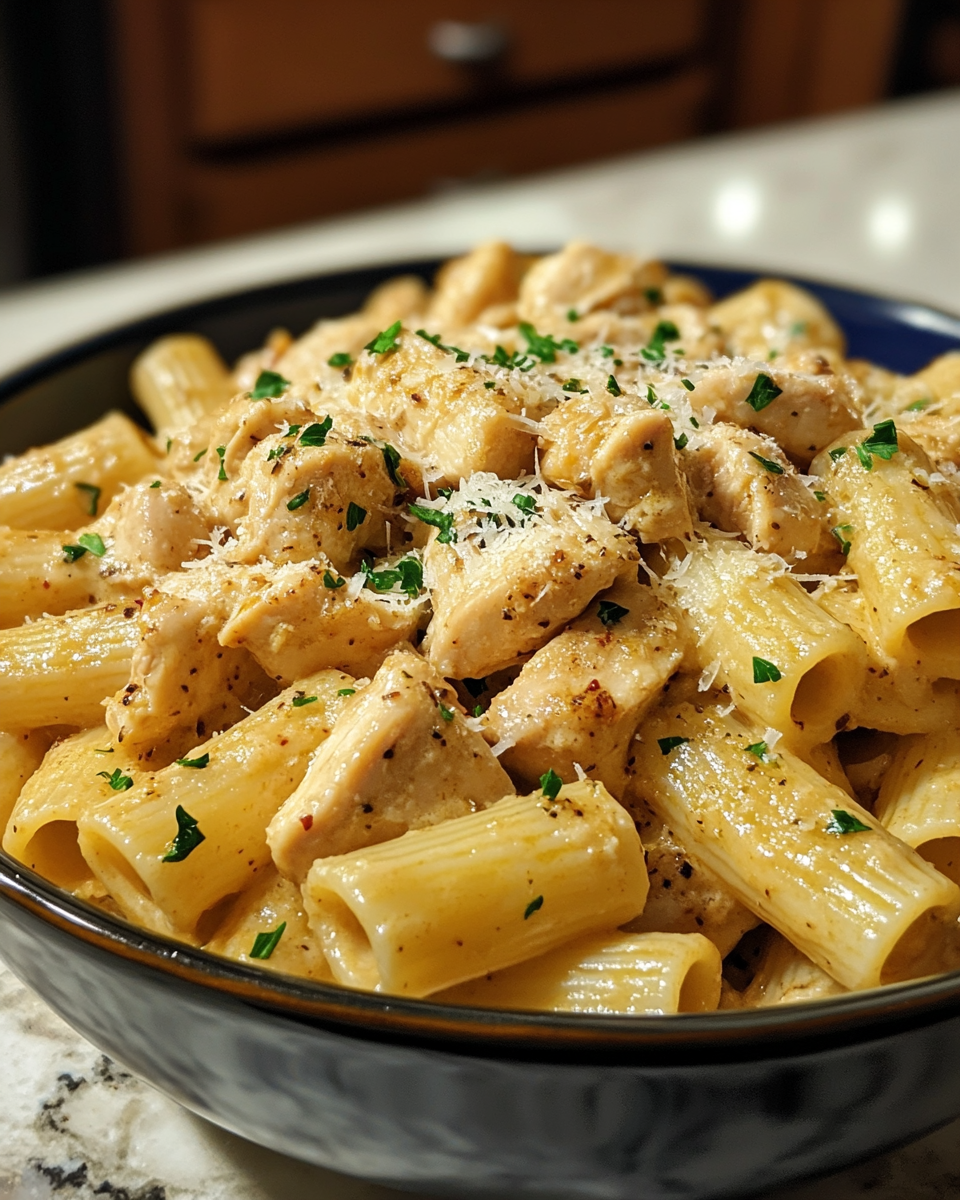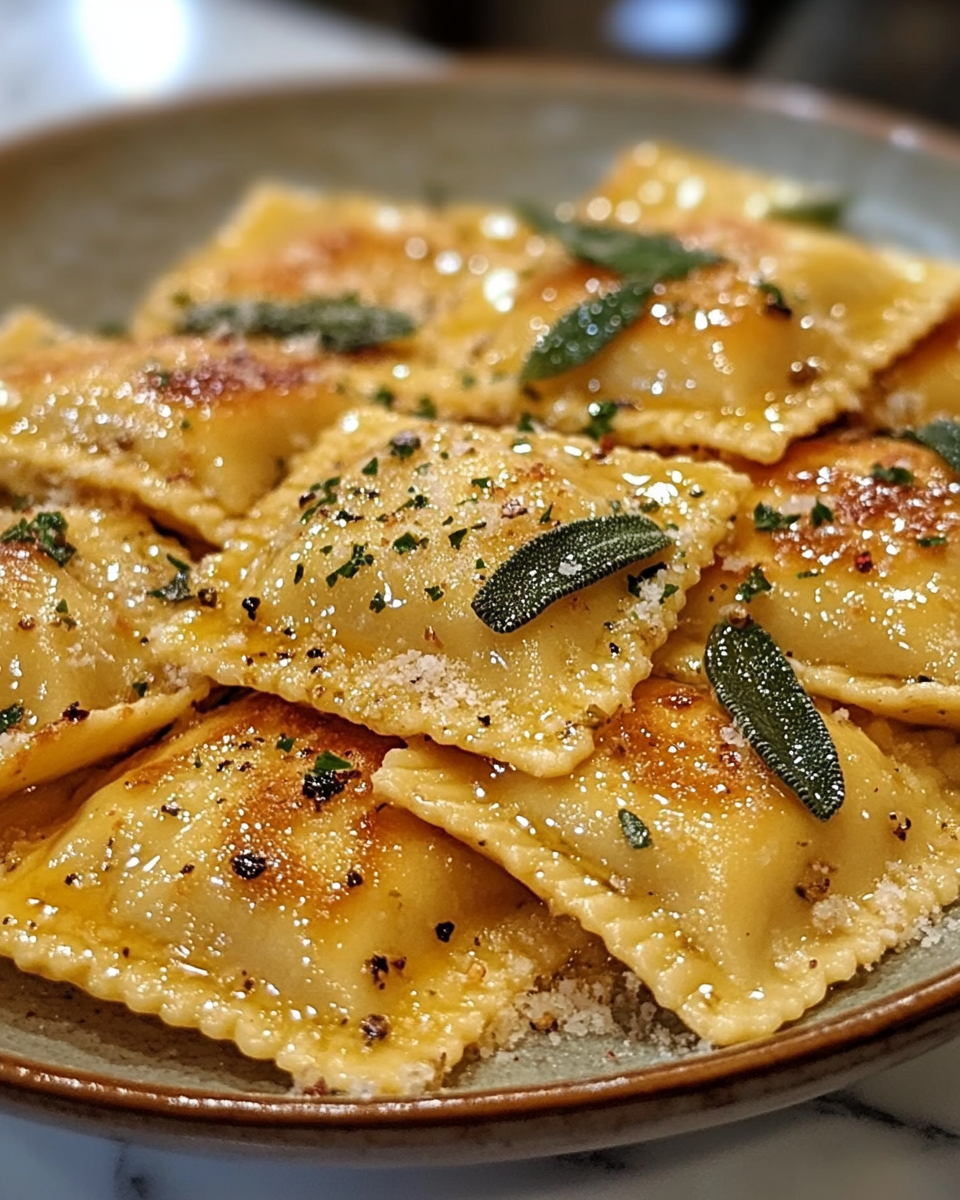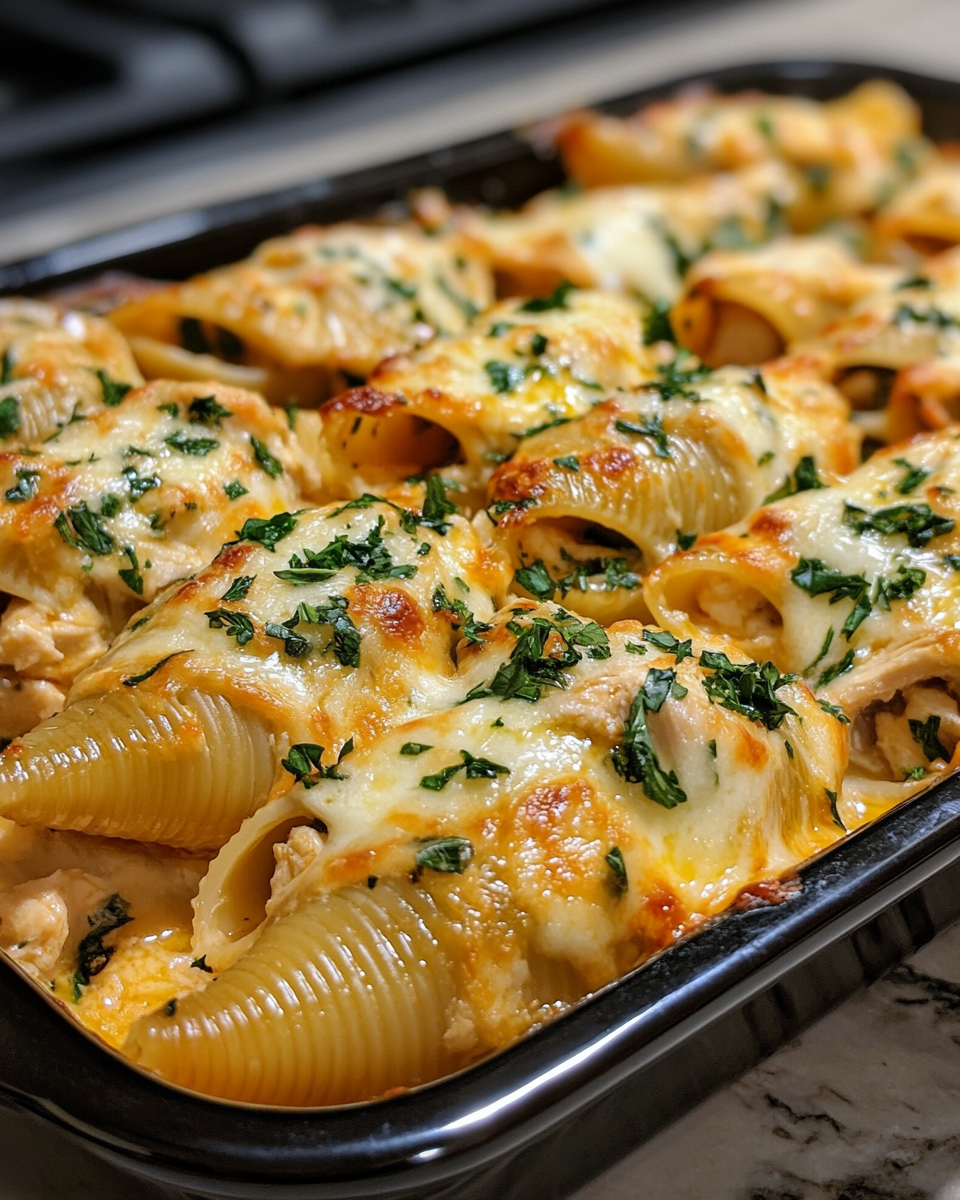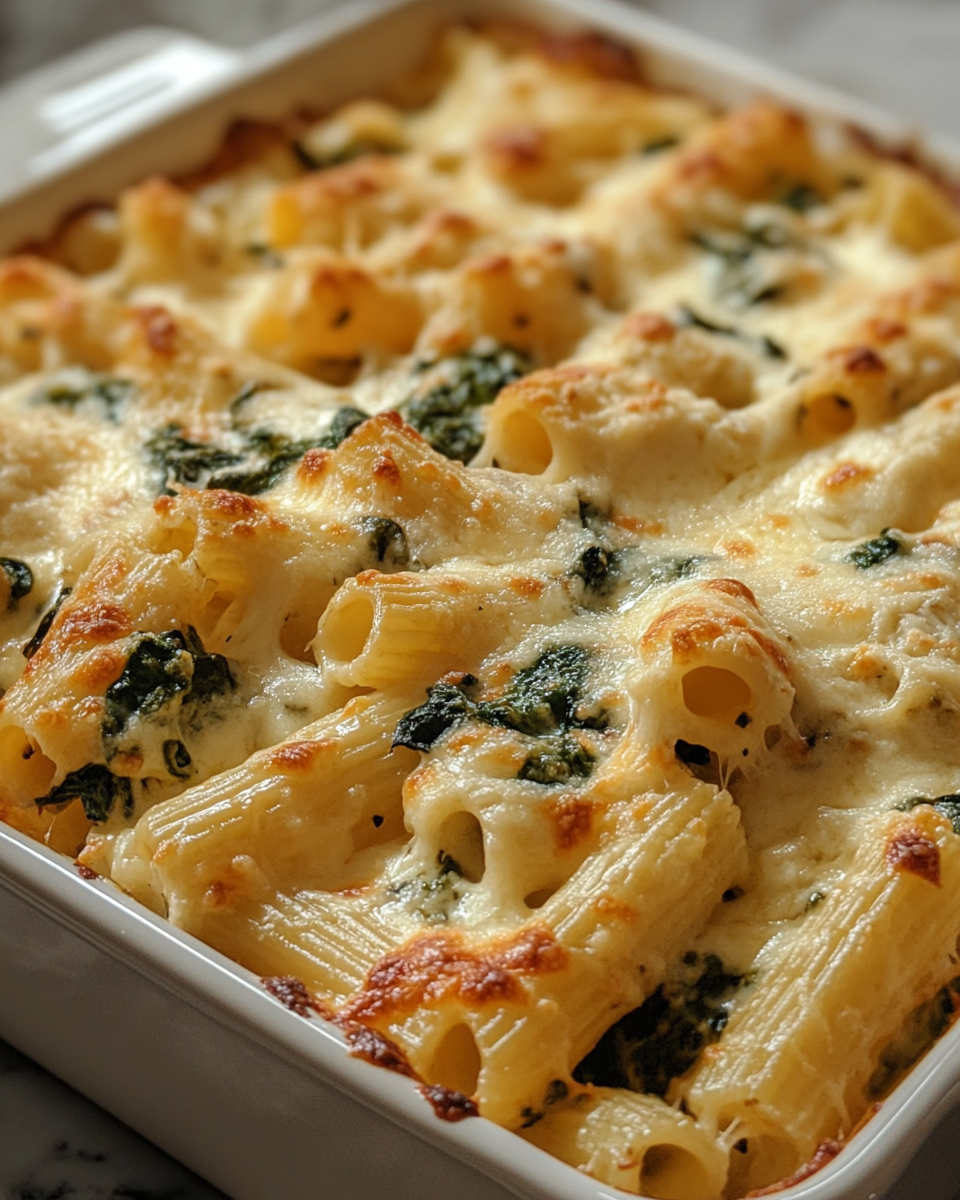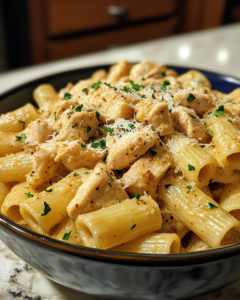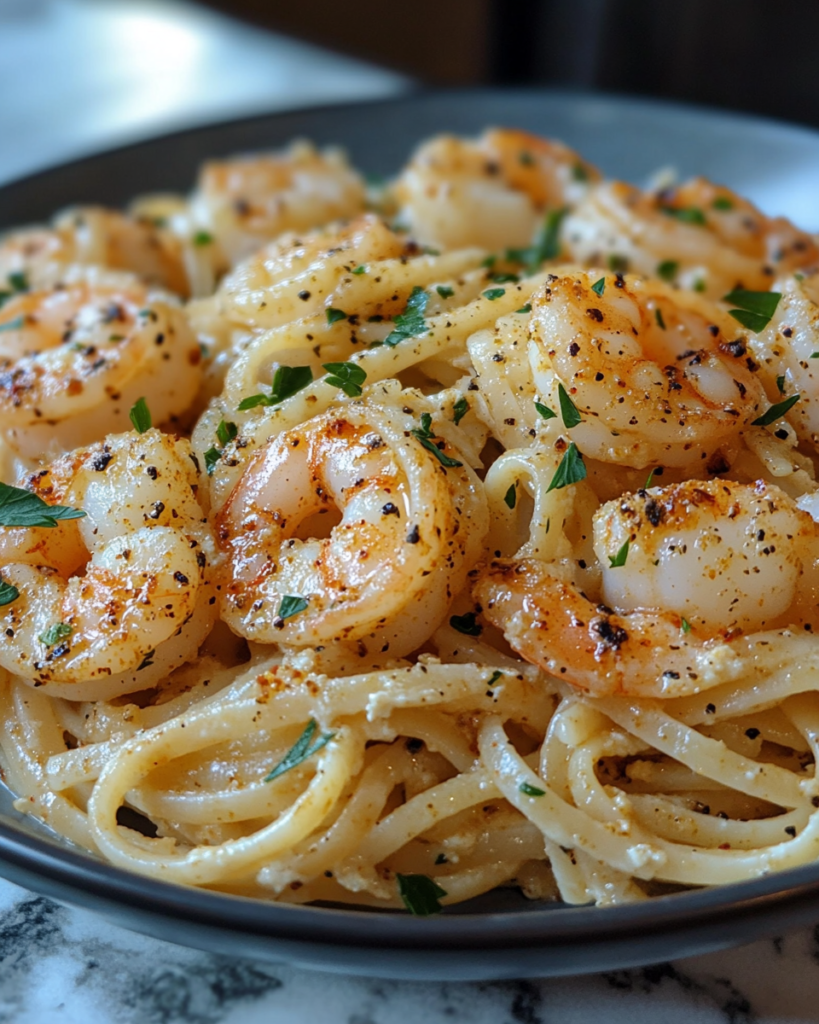
Creamy Cajun Shrimp Pasta brings together tender shrimp, smoky seasoning, silky sauce, and pasta in one rich skillet meal. The balance of mild heat, garlic, butter, and cream gives each forkful deep flavor without heavy effort in the kitchen. This dish fits busy weeknights, relaxed weekend dinners, and casual gatherings with friends or family.
The sauce clings to the pasta while juicy shrimp stay tender from quick cooking. Cajun seasoning adds warmth and color, while parmesan gives the sauce a smooth finish. A small splash of pasta water ties everything together for a glossy texture that coats every strand.
This recipe comes together with pantry staples and fresh shrimp in less than one hour. It tastes comforting yet lively, with savory notes from garlic, paprika, onion powder, and butter. Creamy Cajun Shrimp Pasta also works well with several pasta shapes, giving home cooks flexibility with ingredients already sitting in the cupboard.
Ingredients Overview

Shrimp serves as the centerpiece of this pasta dish. Large shrimp cook quickly and stay juicy when removed from heat at the right moment. Fresh or frozen shrimp both work well, though frozen shrimp should thaw fully and dry with paper towels before cooking. Removing extra moisture helps the shrimp brown rather than steam.
Cajun seasoning gives the pasta its signature character. Most blends contain paprika, garlic powder, onion powder, oregano, thyme, black pepper, and cayenne. Some blends carry more salt than others, so tasting the sauce before adding extra salt helps balance the dish properly.
Heavy cream creates the rich texture that gives Creamy Cajun Shrimp Pasta its smooth finish. Parmesan melts into the sauce and adds a savory layer that balances the spice. Butter and olive oil help carry the seasoning across the shrimp while giving the skillet a rich base.
Penne and fettuccine both pair nicely with the creamy sauce. Penne catches sauce inside each tube, while long noodles hold the creamy coating beautifully. Garlic adds depth, while diced onion softens into the sauce during cooking.
Chicken broth loosens the cream slightly so the pasta does not turn overly thick. Fresh parsley adds color and freshness near the end of cooking. Lemon juice brightens the rich sauce without overpowering the Cajun flavor.
For lighter options, half-and-half can replace part of the cream. Smoked sausage also pairs nicely with shrimp for a heartier skillet dinner.
Ingredients
1 pound large shrimp, peeled and deveined
12 ounces penne pasta
1 tablespoon olive oil
2 tablespoons butter
1 small yellow onion, finely diced
4 cloves garlic, minced
2 tablespoons Cajun seasoning
1 teaspoon smoked paprika
1/2 teaspoon black pepper
1 1/2 cups heavy cream
1/2 cup chicken broth
1 cup freshly grated parmesan cheese
1 tablespoon lemon juice
2 tablespoons chopped parsley
1/2 teaspoon salt, or as needed
1/4 teaspoon crushed red pepper flakes
Reserved pasta water as needed
Step-by-Step Instructions

Bring a large pot of salted water to a rolling boil. Add the pasta and cook until just al dente according to package directions. Before draining, reserve about one cup of pasta water. Drain the pasta and set aside.
Pat the shrimp dry with paper towels. Dry shrimp brown more evenly and keep the skillet from turning watery. Place the shrimp in a bowl and coat with one tablespoon Cajun seasoning, smoked paprika, and black pepper.
Heat a large skillet over medium-high heat. Add olive oil and one tablespoon butter. Once the butter melts and starts bubbling lightly, place the shrimp in a single layer. Cook for about two minutes per side until pink and lightly golden around the edges. Avoid overcrowding the skillet since packed shrimp release moisture too quickly. Transfer the shrimp to a plate once cooked.
Reduce the heat to medium. Add the remaining butter along with the diced onion. Cook for four to five minutes until soft and lightly golden. Stir frequently so the onion does not brown too deeply. Add the garlic and cook for about thirty seconds until fragrant.
Sprinkle in the remaining Cajun seasoning and stir well. Pour in the chicken broth and scrape the skillet gently with a wooden spoon to lift flavorful browned bits from the bottom. Allow the broth to simmer for two minutes.
Lower the heat slightly and pour in the heavy cream. Stir steadily while the sauce warms. Do not allow the cream to boil aggressively since high heat may cause separation. Add the parmesan gradually while stirring so the cheese melts smoothly into the sauce.
If the sauce appears too thick, stir in a few tablespoons of reserved pasta water. The starch from the pasta water helps the sauce cling nicely to the noodles.
Return the cooked pasta to the skillet and toss gently until fully coated. Add the shrimp back into the pan along with lemon juice and parsley. Stir carefully for one to two minutes until everything heats through.
Taste the sauce before adding extra salt because Cajun seasoning and parmesan already carry saltiness. For extra warmth, add crushed red pepper flakes.
Serve the pasta immediately while the sauce remains silky and creamy. Leaving the skillet over heat too long can thicken the sauce heavily, so removing it from the burner shortly before serving keeps the texture smooth.
Tips, Variations & Substitutions
Large shrimp hold their texture better during cooking than smaller shrimp. Shrimp cook quickly, so leaving them in the skillet too long may cause rubbery texture. Once the shrimp turn pink and curl gently, transfer them from the pan right away.
Freshly grated parmesan melts far more smoothly than pre-shredded cheese. Packaged shredded cheese often contains anti-caking powder that may leave the sauce grainy.
Fettuccine, linguine, rigatoni, and rotini all pair nicely with the creamy sauce. Short pasta shapes trap bits of sauce inside, while long noodles create a classic restaurant-style presentation.
For extra protein, sliced smoked sausage pairs beautifully with shrimp and Cajun spices. Chicken also works nicely for households that prefer mixed proteins in pasta dishes.
Half-and-half may replace part of the heavy cream for a lighter texture. Whole milk alone usually creates a thinner sauce, though a small amount of cream cheese can help thicken it gently.
Spinach, mushrooms, or roasted bell peppers blend naturally into the skillet without changing the character of the dish too much. Stir spinach into the hot sauce shortly before serving so the leaves wilt softly.
For gluten-free preparation, swap regular pasta with gluten-free pasta and check that the Cajun seasoning contains no hidden wheat ingredients.
Serving Ideas & Occasions
Creamy Cajun Shrimp Pasta pairs beautifully with garlic bread, toasted baguette slices, or warm dinner rolls. The bread helps soak up the creamy sauce left on the plate. A crisp green salad with light vinaigrette balances the richness of the pasta nicely.
Roasted broccoli, asparagus, or green beans also pair well with the savory sauce. Simple vegetable sides keep the meal balanced without competing with the Cajun flavor.
This pasta works beautifully for relaxed family dinners, birthday meals at home, or small dinner gatherings. Since the dish cooks fairly quickly, it suits busy evenings while still feeling comforting and satisfying.
Cold sparkling water with lemon pairs nicely alongside the mild spice. Sweet tea also balances the warmth from Cajun seasoning beautifully.
Creamy Cajun Shrimp Pasta tastes freshest right after cooking, though leftovers still hold flavor well for lunch the next day.
Nutritional & Health Notes
Shrimp contains lean protein while staying fairly low in calories compared with several other protein choices. It also contains minerals such as selenium and phosphorus. Pairing shrimp with pasta creates a balanced dinner containing carbohydrates, protein, and fat.
Heavy cream and parmesan create the rich texture that gives this dish its signature character. Those ingredients also raise the calorie and saturated fat content, so moderate serving sizes help balance the meal comfortably.
Adding vegetables such as spinach or broccoli brings extra fiber and color to the plate. Whole wheat pasta may also increase fiber while giving the dish a slightly heartier texture.
Cajun seasoning carries bold flavor without requiring large amounts of butter or extra sauce ingredients. Since many seasoning blends contain salt, tasting before adding extra salt helps maintain balanced flavor.
For lighter preparation, replacing part of the cream with half-and-half reduces richness while still keeping the sauce smooth and creamy.
FAQs
Can I use frozen shrimp?
Frozen shrimp work very well in Creamy Cajun Shrimp Pasta. Thaw the shrimp fully before cooking so they brown evenly in the skillet. Leaving shrimp partially frozen may release too much water into the pan and dilute the sauce slightly. After thawing, pat the shrimp dry thoroughly with paper towels. Dry shrimp cook faster and develop richer color along the edges. Tail-on or tail-off shrimp both work, though tail-off shrimp usually make serving easier during pasta dinners. Medium or large shrimp hold their texture best in creamy sauces. Avoid overcooking since shrimp continue cooking slightly after leaving the skillet. Once they turn pink and lightly curled, remove them promptly for tender texture.
Which pasta shape works best?
Several pasta shapes pair beautifully with this creamy Cajun sauce. Penne remains a favorite because the sauce settles inside the tubes while shrimp rest nicely between the pieces. Fettuccine creates a more classic creamy pasta presentation with long strands coated in sauce. Rotini and rigatoni also work nicely since the ridges help catch extra sauce. Thin pasta such as angel hair cooks quickly but may become too soft beneath the rich sauce. Cooking the pasta only until al dente helps maintain texture after combining everything in the skillet. Reserving pasta water also helps the sauce coat each piece smoothly without turning too thick or sticky.
How spicy is this pasta?
Creamy Cajun Shrimp Pasta carries mild to medium warmth depending on the Cajun seasoning used. Some seasoning blends contain more cayenne than others, so tasting the blend beforehand helps judge heat level. The cream and parmesan soften the spice considerably, giving the dish balanced warmth rather than overwhelming heat. For gentler flavor, reduce the Cajun seasoning slightly and skip crushed red pepper flakes. For stronger spice, add extra cayenne or sliced jalapeños near the end of cooking. Serving the pasta with bread or salad also balances the warmth nicely. Since spice preferences vary widely between households, adjusting gradually during cooking works best.
Can I prepare this dish ahead?
This pasta tastes freshest shortly after cooking because creamy sauces naturally thicken as they cool. Still, several parts may be prepared ahead for easier dinner preparation later. The shrimp may be cleaned and seasoned earlier in the day, while onions and garlic can also be chopped in advance. When reheating leftovers, warm the pasta gently over medium-low heat with a splash of broth, milk, or cream to loosen the sauce again. High heat may cause the sauce to separate slightly. Storing leftovers in airtight containers keeps the pasta fresh for about three days in the refrigerator. Stir gently during reheating so the shrimp stay tender.
Can I add vegetables?
Vegetables blend beautifully into Creamy Cajun Shrimp Pasta without changing the comforting character of the dish. Spinach wilts quickly into the sauce and adds fresh color. Mushrooms bring earthy flavor that pairs naturally with Cajun spices and cream. Bell peppers add sweetness and slight crunch, especially red or yellow peppers. Broccoli and asparagus also work nicely for a heartier meal. Roasting vegetables separately before adding them to the pasta creates deeper flavor and prevents excess moisture from thinning the sauce. Vegetables should remain slightly firm rather than overly soft so the pasta keeps pleasant texture contrast throughout the dish.
Why did my sauce turn grainy?
Grainy sauce often happens when cheese melts too quickly over high heat. Parmesan should enter the sauce gradually while stirring continuously. Freshly grated cheese melts far more smoothly than packaged shredded cheese because it contains fewer stabilizers. Another common issue comes from boiling the cream aggressively. Gentle simmering keeps the sauce silky and stable. If the skillet becomes too hot, remove it briefly from the burner before stirring in cheese. Pasta water also helps smooth the texture because the starch blends naturally into the cream sauce. Keeping the heat moderate throughout cooking usually produces the smoothest final texture.
What protein can replace shrimp?
Chicken works beautifully in this recipe and absorbs Cajun seasoning very nicely. Thin slices of chicken breast or boneless thighs cook quickly and pair naturally with creamy sauce. Smoked sausage creates a hearty southern-style variation with savory richness and deeper smoky flavor. Salmon pieces may also work for seafood lovers who prefer fish over shrimp. For meat-free preparation, mushrooms and roasted cauliflower create satisfying texture in the creamy sauce. Tofu can also work when pressed well and browned before entering the sauce. Regardless of protein choice, keeping the seasoning balanced and avoiding overcrowding in the skillet helps maintain rich flavor and proper texture.
………………..