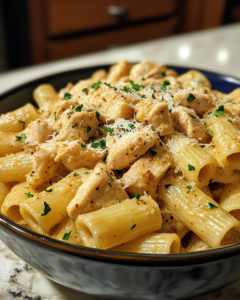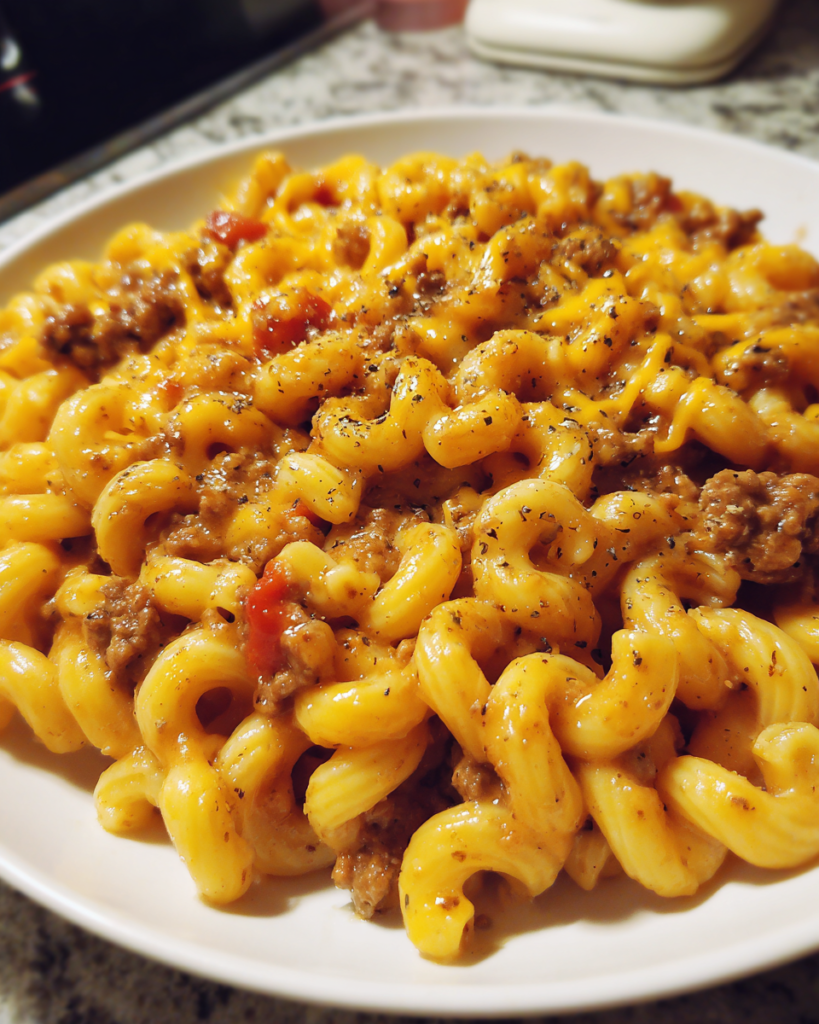
Creamy ground beef cheeseburger pasta brings together tender pasta, seasoned beef, and a smooth cheese-based sauce in a single pan-style dish. The final result carries a hearty, comforting character with layers of savory depth and a velvety coating that clings to every bite of pasta.
This dish draws inspiration from classic cheeseburgers while using pasta as the foundation instead of a bun. The combination of beef, dairy, and gentle seasoning creates a satisfying meal suitable for a relaxed dinner setting or batch preparation for later servings.
Each component plays a specific role. The beef provides richness, the pasta offers structure, and the cheese mixture binds everything into a cohesive texture. The outcome is a balanced dish with bold savory notes and a smooth finish.
Ingredients Overview

Ground beef forms the core protein in this recipe, bringing depth and a hearty base. Selecting beef with moderate fat content allows for flavor development while avoiding excessive grease. As it cooks, it releases savory drippings that support the sauce foundation.
Pasta acts as the structural element. Short shapes such as elbow macaroni or rotini work well because their curves and ridges capture the creamy coating. Cooking the pasta until firm but tender helps it maintain shape when combined with the sauce.
Cheddar cheese introduces sharpness and body to the sauce. When melted into the warm base, it creates a thick, velvety consistency. Cream cheese contributes additional smoothness, helping the sauce cling evenly to the pasta.
Milk and broth form the liquid base. Milk softens the cheese mixture while broth adds savory undertones. Together they create a balanced sauce that is neither too thick nor too thin.
Aromatics such as onion and garlic build foundational flavor. As they soften in the pan, they release natural sweetness and savory notes that enhance the beef.
Seasonings like paprika, black pepper, and salt provide structure to the flavor profile. They highlight the meat while complementing the creamy sauce without overpowering it.
Optional additions such as diced pickles or mustard can introduce a subtle tang reminiscent of a cheeseburger profile, adding contrast to the richness of the dish.
Ingredients
1 pound ground beef
12 ounces elbow macaroni
1 medium onion, finely diced
3 cloves garlic, minced
2 cups shredded cheddar cheese
4 ounces cream cheese, softened
2 cups milk
1 cup beef broth
1 tablespoon tomato paste
1 teaspoon salt
1/2 teaspoon black pepper
1 teaspoon paprika
1 tablespoon butter
1 teaspoon Worcestershire-style seasoning
Optional: diced pickles for garnish
Optional: chopped parsley for garnish
Step-by-Step Instructions

Begin by heating a large skillet over medium heat. Add ground beef and allow it to cook until browned, breaking it into small pieces as it cooks. Drain excess fat if necessary, leaving a small amount in the pan to support flavor development.
Add diced onion to the skillet. Cook until softened and lightly translucent. Stir in minced garlic and allow it to release aroma into the mixture without allowing it to darken.
While the beef mixture develops, bring a separate pot of salted water to a gentle boil. Add pasta and cook until firm but tender. Drain and set aside while retaining warmth.
Return to the skillet and stir in tomato paste. Allow it to blend with the beef mixture, forming a deeper savory base. Add paprika, salt, black pepper, and Worcestershire-style seasoning. Stir until evenly distributed.
Pour in beef broth and milk. Stir continuously as the liquid warms, allowing it to combine with the meat mixture. The consistency will begin to loosen before thickening again.
Lower the heat and add cream cheese. Stir until fully melted and integrated into the sauce. This step creates a smooth, thick base.
Gradually add shredded cheddar cheese. Stir until melted completely, forming a creamy sauce that coats the beef mixture evenly.
Add the cooked pasta into the skillet. Fold gently until each piece is covered in sauce. Allow the mixture to rest briefly on low heat so the flavors settle together.
If the mixture becomes too thick, a small amount of milk can be added to adjust consistency. If too loose, allow additional gentle heating until it thickens naturally.
Remove from heat and finish with optional pickles or parsley for contrast. Serve while warm for optimal texture.
Tips, Variations & Substitutions
Different pasta shapes can be used depending on availability. Short pasta with ridges or curves performs well because it holds the creamy sauce effectively.
Ground turkey or chicken can replace beef for a lighter profile. These alternatives absorb seasoning well and still pair effectively with the cheese mixture.
For a sharper flavor profile, a portion of cheddar can be replaced with aged cheese varieties. This adds complexity without changing the structure of the sauce.
A small amount of mustard can be stirred into the sauce for a tangy note that reflects cheeseburger inspiration. This should be used lightly to avoid overpowering the creamy base.
Adding cooked bacon pieces introduces smoky depth and additional texture contrast. This variation pairs well with the richness of the cheese sauce.
If a thicker sauce is preferred, reducing liquid slightly before adding cheese will create a denser coating. For a looser consistency, additional milk can be incorporated gradually.
Serving Ideas & Occasions
This pasta dish pairs well with simple side dishes such as steamed vegetables or a crisp green salad. The freshness of vegetables balances the richness of the sauce.
Bread-based sides such as toasted rolls or garlic-style slices complement the creamy texture and provide contrast in bite structure.
This dish fits well into relaxed dinner settings, casual gatherings, or meal preparation for multiple portions. It reheats smoothly when stored properly, maintaining its creamy consistency.
A light beverage such as sparkling water or iced tea pairs effectively, offering refreshment alongside the richness of the pasta.
Nutritional & Health Notes
This dish contains protein from beef and dairy, contributing to satiety and energy support. The cheese and cream components add fat content, which contributes to richness and texture.
Pasta provides carbohydrate content, serving as a primary energy source. Portion control can adjust overall calorie intake depending on dietary preferences.
Vegetable additions such as spinach or diced peppers can increase fiber and micronutrient content without altering the base structure significantly.
Lower-fat dairy options may be used to reduce overall richness while maintaining creamy consistency. Lean beef options can also reduce fat levels while preserving protein content.
FAQs
Can a different pasta shape be used?
Yes, various short pasta shapes can be used in this dish. Options such as rotini, penne, or shells work well because they capture the creamy sauce within their structure. Each shape offers a slightly different texture experience. Smaller shapes create a more uniform bite, while larger shapes provide a more pronounced contrast between pasta and sauce. Cooking time may vary slightly depending on the chosen pasta type, so monitoring texture during boiling is recommended for best results.
Can this dish be prepared ahead of serving?
This pasta dish can be prepared ahead of serving and stored in a sealed container. When reheating, adding a small amount of milk helps restore creaminess. Gentle heating over low temperature is preferred to maintain texture. Stirring during reheating allows the sauce to redistribute evenly. Pasta may absorb some sauce during storage, so adjusting liquid before serving improves consistency. Preparing ahead can also allow flavors to settle, creating a more unified taste profile when served later.
What cheese works beyond cheddar?
Cheddar provides a strong base, but other cheese varieties can be included. Monterey Jack melts smoothly and creates a softer texture. A small portion of mozzarella adds stretch and mildness. Parmesan introduces a sharper note when used sparingly. Blending cheeses allows adjustment of flavor intensity and texture thickness. It is important to maintain balance so the sauce remains creamy rather than overly dense or overly stringy.
How can the sauce thickness be adjusted?
Thickness can be adjusted by controlling liquid levels. For a thicker sauce, allow gentle simmering before adding cheese so excess liquid reduces naturally. For a thinner consistency, additional milk or broth can be added in small increments while stirring. Cheese content also affects thickness, as more cheese creates a denser texture. Adjustments should be made gradually to maintain balance in flavor and consistency.
Can vegetables be included in the dish?
Vegetables can be incorporated without altering the structure of the dish. Options such as spinach, mushrooms, or bell peppers blend well with the creamy sauce. These ingredients should be cooked before combining with pasta to reduce moisture impact. Vegetables add texture variation and nutritional diversity while maintaining the overall creamy profile. The key is to avoid excessive moisture that could dilute the sauce.
What protein substitutions work well?
Ground turkey or chicken can replace beef while maintaining a similar structure. These proteins absorb seasoning effectively and blend with the cheese sauce. Plant-based meat alternatives can also be used, though seasoning may need adjustment to achieve similar depth. Cooking times remain similar, but fat content differences may slightly affect sauce richness.
How can leftovers be stored and reheated?
Leftovers should be stored in a sealed container and kept in refrigeration. When reheating, adding a small amount of milk helps restore creamy consistency. Gentle heating is recommended to prevent separation of the sauce. Stirring during reheating helps distribute heat evenly. The dish typically maintains flavor well after storage, though texture may become slightly thicker and benefit from liquid adjustment.