Creamy Ricotta Spinach Pasta 1 Simple Cozy Dinner

Posted on

Uncategorized

Difficulty

Prep time

Cooking time

Total time

Servings

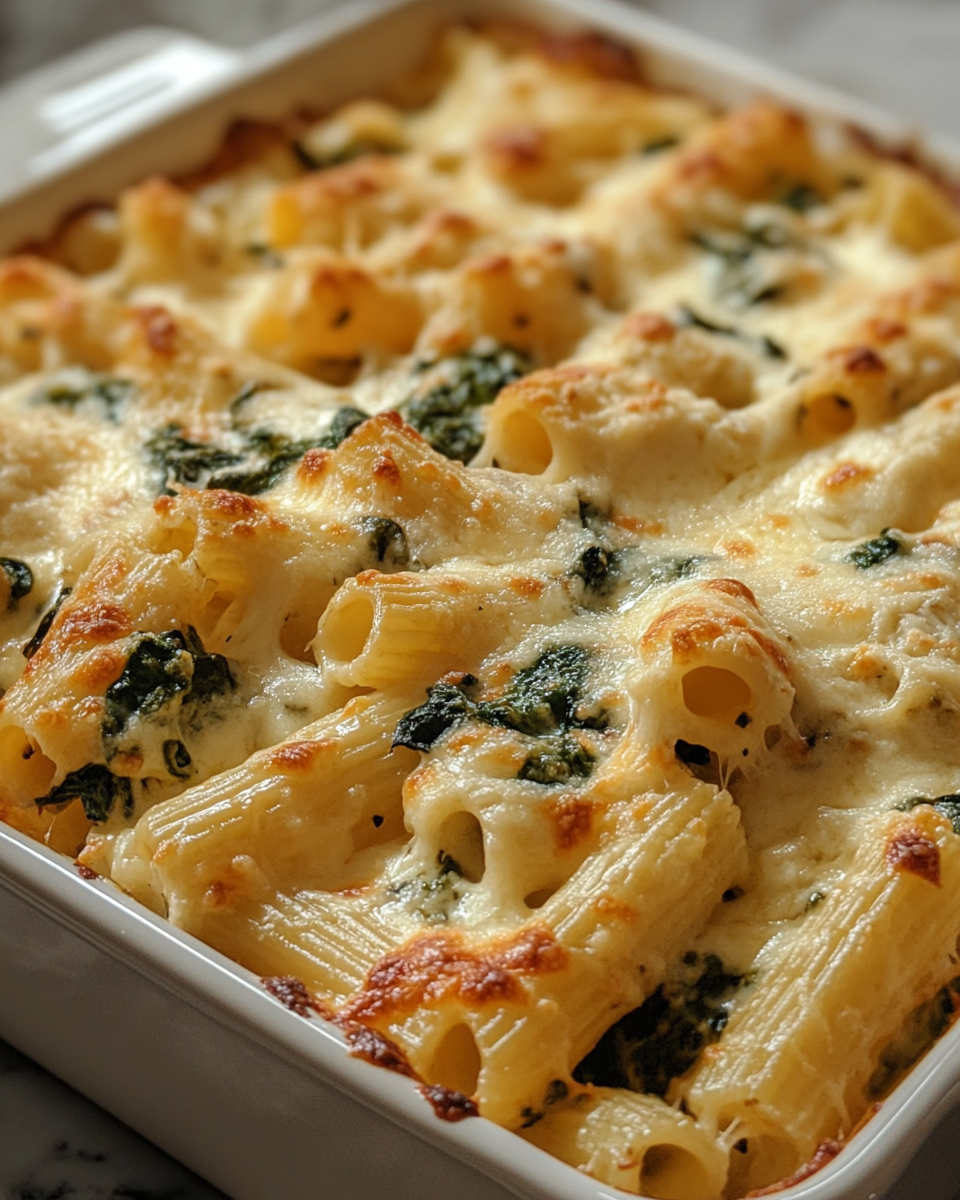
This Creamy Ricotta Spinach Pasta brings together tender pasta, fresh spinach, and smooth ricotta cheese in a comforting, rich sauce that feels satisfying without being heavy. It is the kind of dish that fits into a relaxed evening when something warm and filling is needed without complicated steps or long cooking times.

The ricotta creates a naturally creamy base that clings gently to every strand or piece of pasta, while spinach adds freshness and a subtle earthy balance. Garlic and olive oil bring depth, rounding out the flavor so each bite feels layered yet straightforward.

This recipe works well for busy weeknights, casual family meals, or even a quiet dinner for one. It comes together quickly using everyday ingredients, yet the result tastes like something slow-cooked and thoughtfully prepared. The texture is soft, silky, and cohesive, making it especially comforting when served warm.


Ingredients Overview

Ricotta cheese is the foundation of the sauce, giving the dish its soft, creamy texture without needing heavy cream. It melts gently when combined with warm pasta, creating a smooth coating that feels rich but not overwhelming. Whole milk ricotta offers the best consistency, though part-skim can be used for a lighter result.

Fresh spinach adds color, mild earthiness, and a soft bite. When wilted, it reduces significantly, blending into the sauce while still offering structure. Baby spinach is often preferred because of its tenderness, but mature spinach works well when chopped.

Garlic is essential for depth, infusing the olive oil with aroma before the other ingredients are added. It balances the creaminess of ricotta and enhances the overall flavor profile.

Olive oil acts as the cooking base, helping to carry flavors and create a smooth mixture. A good-quality olive oil makes a noticeable difference in taste.

Pasta serves as the backbone of the dish. Shapes like penne, rigatoni, or fusilli work well because they hold onto the sauce. Long pasta like spaghetti or linguine also pairs nicely if a silkier presentation is preferred.

Parmesan cheese adds a savory, slightly salty finish that sharpens the creamy ricotta. A small amount goes a long way in rounding out the flavor.

Salt and black pepper season the dish, bringing balance and enhancing each ingredient. Optional additions like lemon zest or chili flakes can brighten or gently heat the final result.


Ingredients

12 ounces pasta (penne, rigatoni, or spaghetti)
1 tablespoon olive oil
3 cloves garlic, minced
5 ounces fresh spinach
1 cup ricotta cheese
1/2 cup grated Parmesan cheese
1/2 teaspoon salt
1/4 teaspoon black pepper
1/4 cup pasta cooking water (as needed)
1 tablespoon butter (optional for extra richness)


Step-by-Step Instructions

Bring a large pot of salted water to a boil. Add the pasta and cook according to package directions until just tender. Before draining, reserve about half a cup of the pasta cooking water. Drain the pasta and set aside.

While the pasta cooks, heat olive oil in a large skillet over medium heat. Add minced garlic and cook for about 30–60 seconds until fragrant. Keep the heat moderate to prevent browning, which can create bitterness.

Add the spinach to the skillet in batches if needed. Stir gently until wilted and reduced in volume. This usually takes just a couple of minutes. The spinach should remain vibrant green and soft.

Lower the heat and add the ricotta cheese directly into the skillet. Stir slowly to combine it with the spinach and garlic mixture. The ricotta will begin to loosen and form a creamy base.

Add the cooked pasta to the skillet and toss to coat evenly. Pour in a small amount of reserved pasta water to help the sauce cling smoothly to the pasta. Add more only if needed for consistency.

Sprinkle in Parmesan cheese, salt, and black pepper. Stir until everything is well combined and the sauce becomes silky. If desired, add butter at this stage for a slightly richer finish.

Taste and adjust seasoning as needed. The final texture should be creamy and cohesive, coating each piece of pasta without being overly thick or dry.

Serve immediately while warm for the best texture and flavor.


Tips, Variations & Substitutions

For a lighter version, use part-skim ricotta and reduce the Parmesan slightly. The dish will still maintain its creamy texture while feeling less rich.

If fresh spinach is not available, frozen spinach can be used. It should be thawed and thoroughly drained before adding to the skillet to avoid excess moisture.

For added protein, grilled chicken, sautéed shrimp, or white beans can be mixed in. These additions pair well with the mild flavor of the ricotta base.

A small amount of lemon zest can brighten the dish, especially when serving larger portions. It adds a subtle lift without overpowering the creamy elements.

Red chili flakes can be added for gentle heat. They blend well with the garlic and olive oil base, offering a mild kick.

Pasta shapes with ridges or curves are ideal since they hold more sauce. However, smoother pasta like spaghetti still works for a lighter coating.


Serving Ideas & Occasions

This pasta pairs well with simple side dishes like a green salad, roasted vegetables, or crusty bread. The mild creaminess of the dish complements crisp textures and fresh flavors on the side.

It works well as a standalone dinner or as part of a larger meal when served in smaller portions. A glass of sparkling water with lemon or a light herbal tea pairs nicely with its gentle flavor profile.

Creamy Ricotta Spinach Pasta is often chosen for weeknight dinners, relaxed weekends, or quick meals when time is limited but a warm homemade dish is desired.


Nutritional & Health Notes

This dish provides a balance of carbohydrates from pasta, protein from ricotta and Parmesan, and nutrients from spinach. Spinach contributes vitamins such as A and K, along with minerals like iron.

Ricotta cheese offers protein and calcium while keeping the sauce creamy without heavy cream. The overall fat content can be adjusted by choosing part-skim dairy options.

Olive oil adds healthy fats that contribute to satiety and flavor. Portion size can be adjusted depending on dietary needs.

While the dish is comforting and rich in texture, it still includes vegetables and balanced ingredients that make it suitable for regular meals when enjoyed in moderation.


FAQs

Can I use a different type of cheese instead of ricotta?

Yes, other soft cheeses can be used, though the texture and flavor will change. Cottage cheese blended until smooth can work as an alternative, creating a lighter but still creamy sauce. Cream cheese can also be used for a richer result, but it will produce a denser texture and slightly tangier taste. If substituting, it helps to mix the cheese with a small amount of pasta water to create a smoother consistency before combining with the pasta.

What pasta shape works best for this recipe?

Short pasta shapes like penne, rigatoni, and fusilli are ideal because their ridges and tubes hold the creamy sauce well. These shapes help distribute the ricotta mixture evenly in every bite. Long pasta such as spaghetti or linguine can also be used if a smoother, silkier presentation is preferred. The key is to cook the pasta until just tender so it blends easily with the sauce without becoming too soft or breaking apart during mixing.

Can frozen spinach be used instead of fresh?

Frozen spinach works well as a substitute for fresh spinach in this recipe. It should be fully thawed and squeezed to remove excess water before adding it to the skillet. This step is important to prevent the sauce from becoming too watery. While frozen spinach has a slightly softer texture, it still blends nicely into the creamy ricotta base and maintains the dish’s balance of flavor and color.

How can I make the sauce thicker or thinner?

To make the sauce thicker, reduce the amount of pasta cooking water added or allow the mixture to simmer gently for a minute or two before serving. For a thinner consistency, gradually add small amounts of reserved pasta water until the desired texture is reached. The starch in the pasta water helps bind the sauce, so adding it slowly allows better control over the final consistency without losing creaminess.

Can protein be added to this pasta?

Yes, this pasta pairs well with several protein options. Grilled chicken, sautéed shrimp, or pan-seared tofu can be added for extra substance. These proteins should be cooked separately and mixed in at the end to maintain texture. White beans are another option that blends easily into the creamy sauce while keeping the dish vegetarian. Each option complements the mild flavor of ricotta and spinach without overpowering the dish.

Is this dish suitable for meal prep?

This pasta can be prepared ahead of time, though it is best enjoyed fresh. When stored, the sauce may thicken as it cools. To reheat, add a small splash of water or milk while warming gently on the stove to restore its creamy texture. It is recommended to store the pasta and sauce together in an airtight container in the refrigerator for up to three days for best quality.

Can I add more vegetables to this recipe?

Additional vegetables can be included to add variety and texture. Mushrooms, zucchini, or peas work especially well with the creamy ricotta base. These should be sautéed before mixing with the sauce to remove excess moisture and enhance flavor. Adding extra vegetables increases the nutritional value while maintaining the comforting nature of the dish. It is best to keep additions ba

[rank_math_breadcrumb]

Creamy Ricotta Spinach Pasta 1 Simple Cozy Dinner

Photo of author
Author: Carol
Published:

This Creamy Ricotta Spinach Pasta brings together tender pasta, fresh spinach, and smooth ricotta cheese in a comforting, rich sauce that feels satisfying without being heavy. It is the kind of dish that fits into a relaxed evening when something warm and filling is needed without complicated steps or long cooking times.

The ricotta creates a naturally creamy base that clings gently to every strand or piece of pasta, while spinach adds freshness and a subtle earthy balance. Garlic and olive oil bring depth, rounding out the flavor so each bite feels layered yet straightforward.

This recipe works well for busy weeknights, casual family meals, or even a quiet dinner for one. It comes together quickly using everyday ingredients, yet the result tastes like something slow-cooked and thoughtfully prepared. The texture is soft, silky, and cohesive, making it especially comforting when served warm.


Ingredients Overview

Ricotta cheese is the foundation of the sauce, giving the dish its soft, creamy texture without needing heavy cream. It melts gently when combined with warm pasta, creating a smooth coating that feels rich but not overwhelming. Whole milk ricotta offers the best consistency, though part-skim can be used for a lighter result.

Fresh spinach adds color, mild earthiness, and a soft bite. When wilted, it reduces significantly, blending into the sauce while still offering structure. Baby spinach is often preferred because of its tenderness, but mature spinach works well when chopped.

Garlic is essential for depth, infusing the olive oil with aroma before the other ingredients are added. It balances the creaminess of ricotta and enhances the overall flavor profile.

Olive oil acts as the cooking base, helping to carry flavors and create a smooth mixture. A good-quality olive oil makes a noticeable difference in taste.

Pasta serves as the backbone of the dish. Shapes like penne, rigatoni, or fusilli work well because they hold onto the sauce. Long pasta like spaghetti or linguine also pairs nicely if a silkier presentation is preferred.

Parmesan cheese adds a savory, slightly salty finish that sharpens the creamy ricotta. A small amount goes a long way in rounding out the flavor.

Salt and black pepper season the dish, bringing balance and enhancing each ingredient. Optional additions like lemon zest or chili flakes can brighten or gently heat the final result.


Ingredients

12 ounces pasta (penne, rigatoni, or spaghetti)
1 tablespoon olive oil
3 cloves garlic, minced
5 ounces fresh spinach
1 cup ricotta cheese
1/2 cup grated Parmesan cheese
1/2 teaspoon salt
1/4 teaspoon black pepper
1/4 cup pasta cooking water (as needed)
1 tablespoon butter (optional for extra richness)


Step-by-Step Instructions

Bring a large pot of salted water to a boil. Add the pasta and cook according to package directions until just tender. Before draining, reserve about half a cup of the pasta cooking water. Drain the pasta and set aside.

While the pasta cooks, heat olive oil in a large skillet over medium heat. Add minced garlic and cook for about 30–60 seconds until fragrant. Keep the heat moderate to prevent browning, which can create bitterness.

Add the spinach to the skillet in batches if needed. Stir gently until wilted and reduced in volume. This usually takes just a couple of minutes. The spinach should remain vibrant green and soft.

Lower the heat and add the ricotta cheese directly into the skillet. Stir slowly to combine it with the spinach and garlic mixture. The ricotta will begin to loosen and form a creamy base.

Add the cooked pasta to the skillet and toss to coat evenly. Pour in a small amount of reserved pasta water to help the sauce cling smoothly to the pasta. Add more only if needed for consistency.

Sprinkle in Parmesan cheese, salt, and black pepper. Stir until everything is well combined and the sauce becomes silky. If desired, add butter at this stage for a slightly richer finish.

Taste and adjust seasoning as needed. The final texture should be creamy and cohesive, coating each piece of pasta without being overly thick or dry.

Serve immediately while warm for the best texture and flavor.


Tips, Variations & Substitutions

For a lighter version, use part-skim ricotta and reduce the Parmesan slightly. The dish will still maintain its creamy texture while feeling less rich.

If fresh spinach is not available, frozen spinach can be used. It should be thawed and thoroughly drained before adding to the skillet to avoid excess moisture.

For added protein, grilled chicken, sautéed shrimp, or white beans can be mixed in. These additions pair well with the mild flavor of the ricotta base.

A small amount of lemon zest can brighten the dish, especially when serving larger portions. It adds a subtle lift without overpowering the creamy elements.

Red chili flakes can be added for gentle heat. They blend well with the garlic and olive oil base, offering a mild kick.

Pasta shapes with ridges or curves are ideal since they hold more sauce. However, smoother pasta like spaghetti still works for a lighter coating.


Serving Ideas & Occasions

This pasta pairs well with simple side dishes like a green salad, roasted vegetables, or crusty bread. The mild creaminess of the dish complements crisp textures and fresh flavors on the side.

It works well as a standalone dinner or as part of a larger meal when served in smaller portions. A glass of sparkling water with lemon or a light herbal tea pairs nicely with its gentle flavor profile.

Creamy Ricotta Spinach Pasta is often chosen for weeknight dinners, relaxed weekends, or quick meals when time is limited but a warm homemade dish is desired.


Nutritional & Health Notes

This dish provides a balance of carbohydrates from pasta, protein from ricotta and Parmesan, and nutrients from spinach. Spinach contributes vitamins such as A and K, along with minerals like iron.

Ricotta cheese offers protein and calcium while keeping the sauce creamy without heavy cream. The overall fat content can be adjusted by choosing part-skim dairy options.

Olive oil adds healthy fats that contribute to satiety and flavor. Portion size can be adjusted depending on dietary needs.

While the dish is comforting and rich in texture, it still includes vegetables and balanced ingredients that make it suitable for regular meals when enjoyed in moderation.


FAQs

Can I use a different type of cheese instead of ricotta?

Yes, other soft cheeses can be used, though the texture and flavor will change. Cottage cheese blended until smooth can work as an alternative, creating a lighter but still creamy sauce. Cream cheese can also be used for a richer result, but it will produce a denser texture and slightly tangier taste. If substituting, it helps to mix the cheese with a small amount of pasta water to create a smoother consistency before combining with the pasta.

What pasta shape works best for this recipe?

Short pasta shapes like penne, rigatoni, and fusilli are ideal because their ridges and tubes hold the creamy sauce well. These shapes help distribute the ricotta mixture evenly in every bite. Long pasta such as spaghetti or linguine can also be used if a smoother, silkier presentation is preferred. The key is to cook the pasta until just tender so it blends easily with the sauce without becoming too soft or breaking apart during mixing.

Can frozen spinach be used instead of fresh?

Frozen spinach works well as a substitute for fresh spinach in this recipe. It should be fully thawed and squeezed to remove excess water before adding it to the skillet. This step is important to prevent the sauce from becoming too watery. While frozen spinach has a slightly softer texture, it still blends nicely into the creamy ricotta base and maintains the dish’s balance of flavor and color.

How can I make the sauce thicker or thinner?

To make the sauce thicker, reduce the amount of pasta cooking water added or allow the mixture to simmer gently for a minute or two before serving. For a thinner consistency, gradually add small amounts of reserved pasta water until the desired texture is reached. The starch in the pasta water helps bind the sauce, so adding it slowly allows better control over the final consistency without losing creaminess.

Can protein be added to this pasta?

Yes, this pasta pairs well with several protein options. Grilled chicken, sautéed shrimp, or pan-seared tofu can be added for extra substance. These proteins should be cooked separately and mixed in at the end to maintain texture. White beans are another option that blends easily into the creamy sauce while keeping the dish vegetarian. Each option complements the mild flavor of ricotta and spinach without overpowering the dish.

Is this dish suitable for meal prep?

This pasta can be prepared ahead of time, though it is best enjoyed fresh. When stored, the sauce may thicken as it cools. To reheat, add a small splash of water or milk while warming gently on the stove to restore its creamy texture. It is recommended to store the pasta and sauce together in an airtight container in the refrigerator for up to three days for best quality.

Can I add more vegetables to this recipe?

Additional vegetables can be included to add variety and texture. Mushrooms, zucchini, or peas work especially well with the creamy ricotta base. These should be sautéed before mixing with the sauce to remove excess moisture and enhance flavor. Adding extra vegetables increases the nutritional value while maintaining the comforting nature of the dish. It is best to keep additions ba
Name

Lorem ipsum dolor sit amet, consectetur adipiscing elit. Suspendisse varius enim in eros elementum tristique. Duis cursus, mi quis viverra ornare, eros dolor interdum nulla, ut commodo diam libero vitae erat.

You Might Also Like...

Lemon Herb Chicken Thighs: 7 Cozy Family Favorites

Lemon Herb Chicken Thighs: 7 Cozy Family Favorites

Beef and Broccoli Stir Fry: 6 Savory Skillet Favorites

Beef and Broccoli Stir Fry: 6 Savory Skillet Favorites

Creamy Cajun Chicken Pasta: 5 Rich Dinner Favorites

Creamy Cajun Chicken Pasta: 5 Rich Dinner Favorites

Garlic Butter Chicken Bake: 5 Cozy Family Dinner Tips

Garlic Butter Chicken Bake: 5 Cozy Family Dinner Tips

Tags:

You might also like these recipes

Leave a Comment