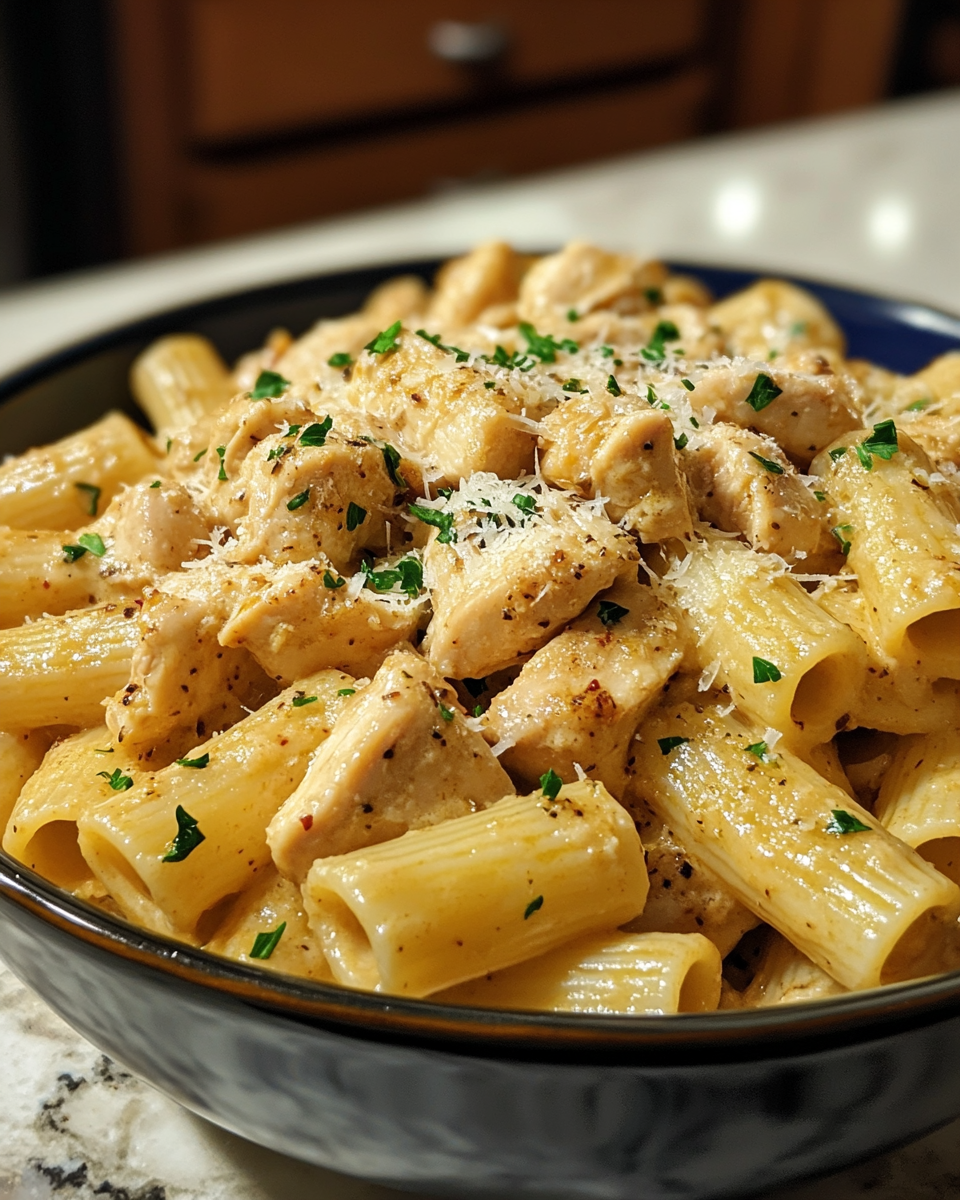
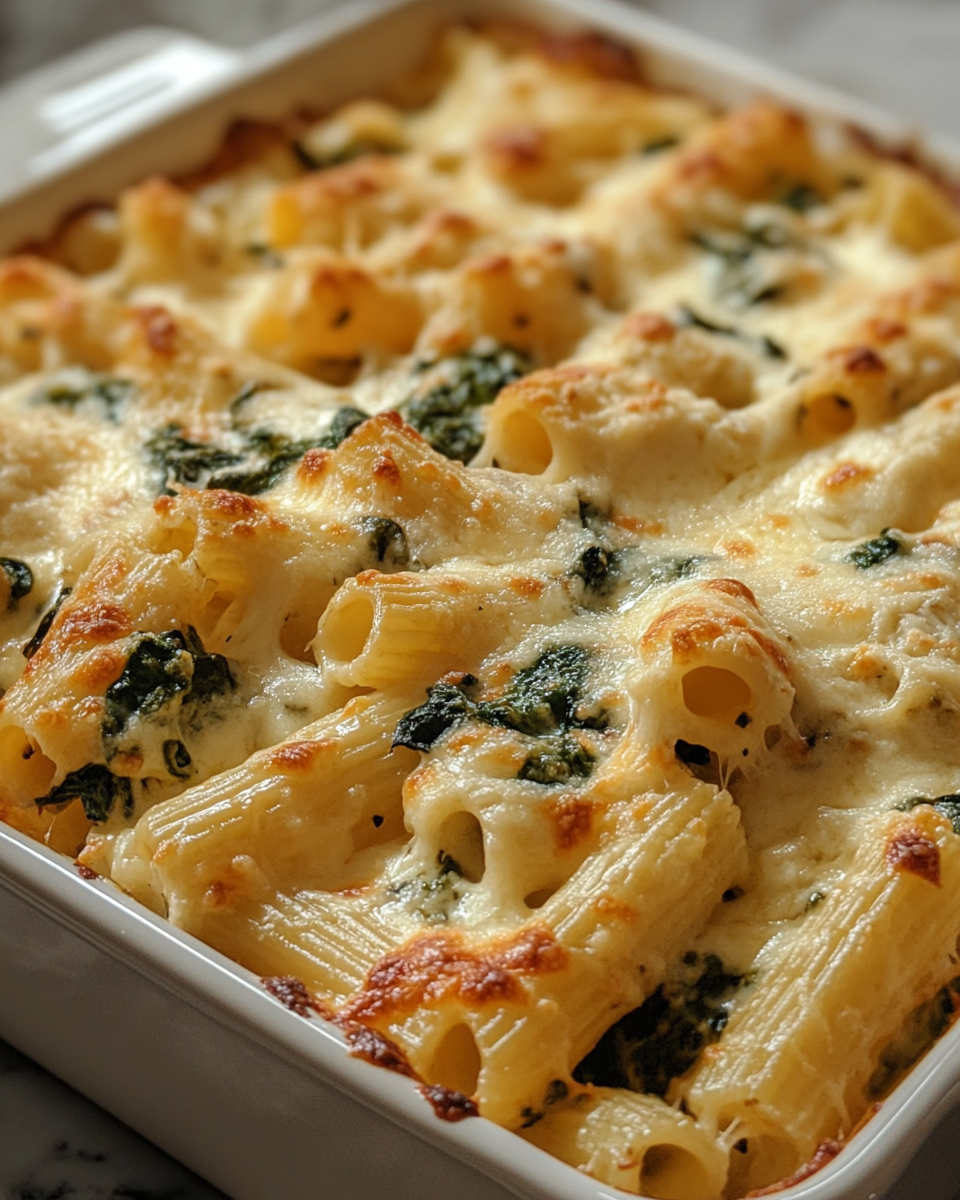
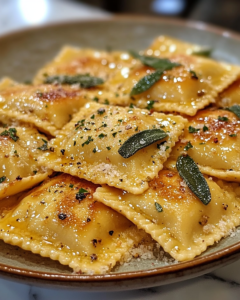
Creamy Spinach Beef Pasta brings together tender pasta, seasoned beef, fresh spinach, and a rich cream sauce for a filling family dinner with balanced flavor and texture. The savory beef pairs beautifully with mild spinach and silky sauce, creating a hearty skillet meal suited for busy evenings or relaxed weekend suppers.
This pasta dish comes together with pantry staples and a handful of fresh ingredients. A single skillet and pasta pot keep cleanup manageable, while the creamy sauce coats every strand and bite without feeling overly heavy. Parmesan adds a salty finish, garlic brings depth, and spinach gives the dish color along with gentle earthiness.
The combination of pasta, beef, and cream creates a satisfying dinner suitable for both adults and children. Since the ingredients remain flexible, this recipe also works well with various pasta shapes and dairy options.
Ingredients Overview

Ground beef forms the savory foundation for Creamy Spinach Beef Pasta. Lean ground beef works particularly well because it provides rich flavor while limiting excess grease inside the sauce. If slightly richer flavor is preferred, an 85/15 blend also performs nicely after draining.
Spinach softens quickly once folded into the warm sauce. Fresh spinach provides brighter flavor and texture, though thawed frozen spinach can also work after squeezing away excess moisture. Baby spinach remains especially suitable because the leaves soften evenly without fibrous stems.
Heavy cream creates the silky consistency that defines this dish. Parmesan thickens the sauce slightly while adding nutty depth. Freshly grated Parmesan melts more smoothly compared with packaged varieties. Garlic and onion supply aromatic flavor that balances the richness from dairy and beef.
Penne, rigatoni, rotini, or fettuccine all pair nicely with the sauce. Short pasta shapes capture pockets of creamy sauce between ridges and curves, while longer noodles provide elegant texture.
Italian seasoning ties the flavors together through herbs such as basil and oregano. A small amount of crushed red pepper can also bring gentle warmth without overpowering the dish.
Chicken broth loosens the sauce slightly and prevents overly dense texture. The broth also helps blend the cream and cheese into a smooth consistency.
Ingredients
1 pound lean ground beef
12 ounces penne pasta
1 tablespoon olive oil
1 small yellow onion, finely diced
4 garlic cloves, minced
5 cups fresh baby spinach
1 1/2 cups heavy cream
1/2 cup chicken broth
1 cup freshly grated Parmesan cheese
1 teaspoon Italian seasoning
1/2 teaspoon salt
1/2 teaspoon black pepper
1/4 teaspoon crushed red pepper flakes
2 tablespoons chopped parsley
Step-by-Step Instructions

Bring a large pot of salted water to a gentle boil. Add the pasta and cook until slightly firm in the center according to package timing. Reserve about 1 cup pasta water before draining. Set the cooked pasta aside.
While the pasta cooks, warm olive oil inside a large skillet over medium heat. Add the diced onion and cook for about 4 minutes until softened and lightly golden around the edges. Stir frequently so the onion cooks evenly without darkening too quickly.
Add the minced garlic and stir for about 30 seconds until fragrant. Immediately add the ground beef. Break the meat apart using a wooden spoon while cooking. Continue cooking for roughly 6 to 8 minutes until the beef loses all pink coloring.
Drain excess grease if necessary. Sprinkle in the Italian seasoning, salt, black pepper, and crushed red pepper flakes. Stir thoroughly so the seasonings coat the beef evenly.
Lower the heat slightly before pouring in the chicken broth. Stir gently while scraping flavorful browned bits from the bottom of the skillet. Add the heavy cream and allow the mixture to simmer gently for 3 to 4 minutes. Avoid rapid boiling because high heat can separate the dairy.
Gradually stir in the Parmesan cheese. Add small handfuls while stirring constantly so the cheese melts smoothly into the sauce. If the sauce appears overly thick, add a small splash of reserved pasta water.
Add the spinach a handful at a time. Stir gently until the leaves soften into the sauce. Fresh spinach shrinks considerably within about 2 minutes.
Fold the cooked pasta into the skillet. Toss carefully until every piece becomes coated with sauce. Allow the pasta to sit inside the skillet for another minute so the flavors blend together fully.
Taste the sauce and adjust seasoning if desired. Scatter chopped parsley across the finished dish before serving.
Several common cooking problems can affect creamy pasta dishes. Overcooked pasta often turns soft after sitting inside the sauce, so slightly firm pasta remains ideal during the boiling stage. Cheese can also clump if added too quickly or over excessive heat. Slow stirring and gentle heat help maintain smooth texture.
Another frequent issue comes from watery sauce. Spinach naturally releases moisture during cooking, particularly frozen spinach. Thorough draining prevents diluted flavor and thin consistency.
Tips, Variations & Substitutions
Different pasta shapes slightly change the final texture of Creamy Spinach Beef Pasta. Rotini captures extra sauce inside the spirals, while rigatoni creates heartier bites. Fettuccine produces a softer, restaurant-style presentation.
Ground turkey or Italian sausage can replace the beef for a slightly different flavor profile. Mild sausage pairs especially nicely with spinach and Parmesan. For lighter texture, half-and-half can replace part of the heavy cream, though the sauce may appear slightly thinner.
Mushrooms pair naturally with the creamy sauce and beef. Sliced mushrooms should cook alongside the onion until golden and tender. Sun-dried tomatoes also bring subtle tangy contrast against the rich cream sauce.
Fresh herbs such as basil or parsley brighten the finished skillet. Extra Parmesan across the top adds additional salty richness before serving.
For additional texture, toasted breadcrumbs scattered across the finished pasta provide gentle crunch. A small squeeze of lemon juice can also balance the richness from cream and cheese.
Leftovers store well inside an airtight container within the refrigerator for roughly three days. Reheat slowly over low heat with a splash of broth or cream so the sauce returns to smooth consistency.
Serving Ideas & Occasions
Creamy Spinach Beef Pasta suits casual family dinners, chilly evenings, or relaxed gatherings with close friends. Since the dish feels hearty and filling, it pairs beautifully with lighter side dishes that balance the creamy sauce.
Garlic bread or warm breadsticks complement the pasta especially well because they soak up the rich sauce. A crisp green salad with light vinaigrette also balances the richness from the beef and cream.
Roasted vegetables such as broccoli, asparagus, or zucchini pair naturally alongside the savory pasta flavors. Sparkling water with lemon or iced tea provides refreshing contrast during warmer months.
This pasta also fits comfortably into meal preparation routines because leftovers reheat nicely for lunch the following day. Since the dish cooks relatively quickly, it works particularly well during busy weeknights when comforting homemade food remains the priority.
Nutritional & Health Notes
Creamy Spinach Beef Pasta contains protein from beef along with calcium from Parmesan and cream. Spinach contributes fiber, iron, and several vitamins, helping balance the richness from the sauce.
Choosing lean ground beef lowers excess fat while still preserving savory flavor. Whole wheat pasta can also increase fiber content and provide slightly nuttier taste. Reduced-fat dairy products may slightly lighten the dish, though the sauce texture may differ slightly.
Portion balance plays an important role with rich pasta dishes. Pairing the pasta alongside vegetables or salad creates a balanced plate without overwhelming heaviness.
Fresh spinach adds nutritional value without dramatically changing flavor. Since spinach wilts quickly, several cups comfortably blend into the sauce while contributing nutrients and color.
The dish contains dairy and gluten through cream, cheese, and pasta. Gluten-free pasta varieties function successfully within this recipe, particularly chickpea or rice-based options.
FAQs
Can frozen spinach replace fresh spinach?
Frozen spinach works successfully within Creamy Spinach Beef Pasta, particularly during busy evenings when fresh produce may not remain available. Thorough thawing and draining remain essential because frozen spinach holds substantial moisture. Excess liquid can thin the sauce and dilute the savory flavor from the beef and Parmesan.
After thawing, press the spinach firmly using paper towels or a clean kitchen towel until most moisture disappears. Add the spinach during the same cooking stage described for fresh spinach, stirring until evenly distributed through the sauce.
Frozen spinach typically carries slightly softer texture compared with fresh leaves, though the flavor still pairs nicely with creamy sauces. Roughly 10 ounces frozen spinach usually replaces about 5 cups fresh spinach within this recipe.
Which pasta shape pairs nicely with creamy beef sauce?
Several pasta varieties work beautifully with this creamy sauce. Penne remains especially suitable because the hollow centers capture pockets of sauce alongside bits of beef and spinach. Rotini also performs well due to the spiraled texture.
Rigatoni creates larger hearty bites and stands up nicely against the richness from cream and Parmesan. Fettuccine provides softer texture and elegant presentation for dinner gatherings.
Short pasta shapes generally remain easier for family meals because they hold the sauce effectively without slipping from forks. Regardless of shape, slightly firm pasta texture remains important because the noodles continue absorbing sauce after combining with the skillet mixture.
Cooking the pasta carefully prevents mushy texture during reheating or serving.
How should leftovers remain stored?
Allow Creamy Spinach Beef Pasta to cool slightly before transferring leftovers into airtight containers. Refrigerate within two hours after cooking. Properly stored leftovers generally remain suitable for roughly three days.
Reheating over low heat works particularly well because creamy sauces can separate under excessive heat. Adding a small splash of cream, milk, or broth during reheating restores smoother consistency.
Microwave reheating also works successfully when done gradually in short intervals with occasional stirring. Avoid overheating because prolonged high temperatures can toughen the pasta and affect the sauce texture.
Freezing remains possible, though cream sauces occasionally change texture after thawing. If freezing becomes necessary, store portions inside freezer-safe containers and thaw overnight inside the refrigerator before reheating gently.
Can this recipe become slightly lighter?
Several ingredient adjustments can reduce heaviness while still preserving creamy texture and savory flavor. Lean ground beef lowers overall fat content compared with richer beef blends. Ground turkey also functions successfully for lighter texture.
Half-and-half may replace part of the heavy cream, though the sauce becomes slightly thinner. Reduced-fat cream cheese stirred into broth also creates creamy consistency with slightly lower richness.
Increasing the spinach quantity adds additional vegetables without dramatically changing flavor. Whole wheat pasta can also contribute additional fiber and slightly nuttier character.
Balancing the pasta alongside roasted vegetables or salad creates a satisfying meal without excessive heaviness. Careful seasoning remains important whenever lighter ingredients become involved because reduced-fat dairy products occasionally carry milder flavor.
Why did the sauce become grainy?
Grainy sauce usually develops when cheese encounters excessive heat or enters the skillet too quickly. Parmesan melts smoothly under gentle heat with steady stirring. Rapid boiling often causes separation inside cream-based sauces.
Freshly grated Parmesan generally melts more evenly compared with packaged shredded cheese because anti-caking ingredients sometimes affect texture. Lowering the heat before adding cheese also helps maintain silky consistency.
If the sauce thickens excessively, a splash of reserved pasta water or broth often restores smoother texture. Constant gentle stirring during cheese incorporation prevents clumping and sticking.
Cream sauces reward patience during cooking. Moderate heat and gradual ingredient additions usually create the smoothest final result.
Can extra vegetables join this pasta?
Additional vegetables pair beautifully with the savory beef and creamy sauce. Mushrooms remain particularly suitable because their earthy flavor complements spinach and Parmesan naturally. Sauté mushrooms alongside the onion until golden.
Roasted broccoli or zucchini also blend nicely into the finished skillet. Sun-dried tomatoes contribute gentle acidity that balances the richness from cream.
Bell peppers add sweetness and color, while peas contribute mild sweetness and soft texture. Vegetables with high water content should cook carefully because excess moisture can thin the sauce.
Adding vegetables transforms the pasta into an even heartier complete meal while maintaining comforting flavor and texture throughout the dish.
What type of cheese works besides Parmesan?
Parmesan remains traditional because its salty, nutty flavor blends smoothly into creamy sauces. Romano cheese carries stronger sharpness and can replace Parmesan fully or partially.
Mozzarella contributes extra creaminess and mild flavor, though it creates stretchier texture. Asiago also pairs nicely with beef and spinach while adding slightly tangy flavor.
Soft cheeses such as cream cheese can enrich the sauce further when blended carefully with broth and cream. Combining cheeses often creates balanced flavor and smooth consistency.
Freshly grated cheese remains preferable because packaged shredded cheese occasionally contains additives that affect melting quality. Gentle heat during cheese incorporation always helps preserve creamy texture.