Creamy Whipped Ricotta Pasta: 7 Simple Surprising Comfort

Posted on

Uncategorized

Difficulty

Prep time

Cooking time

Total time

Servings

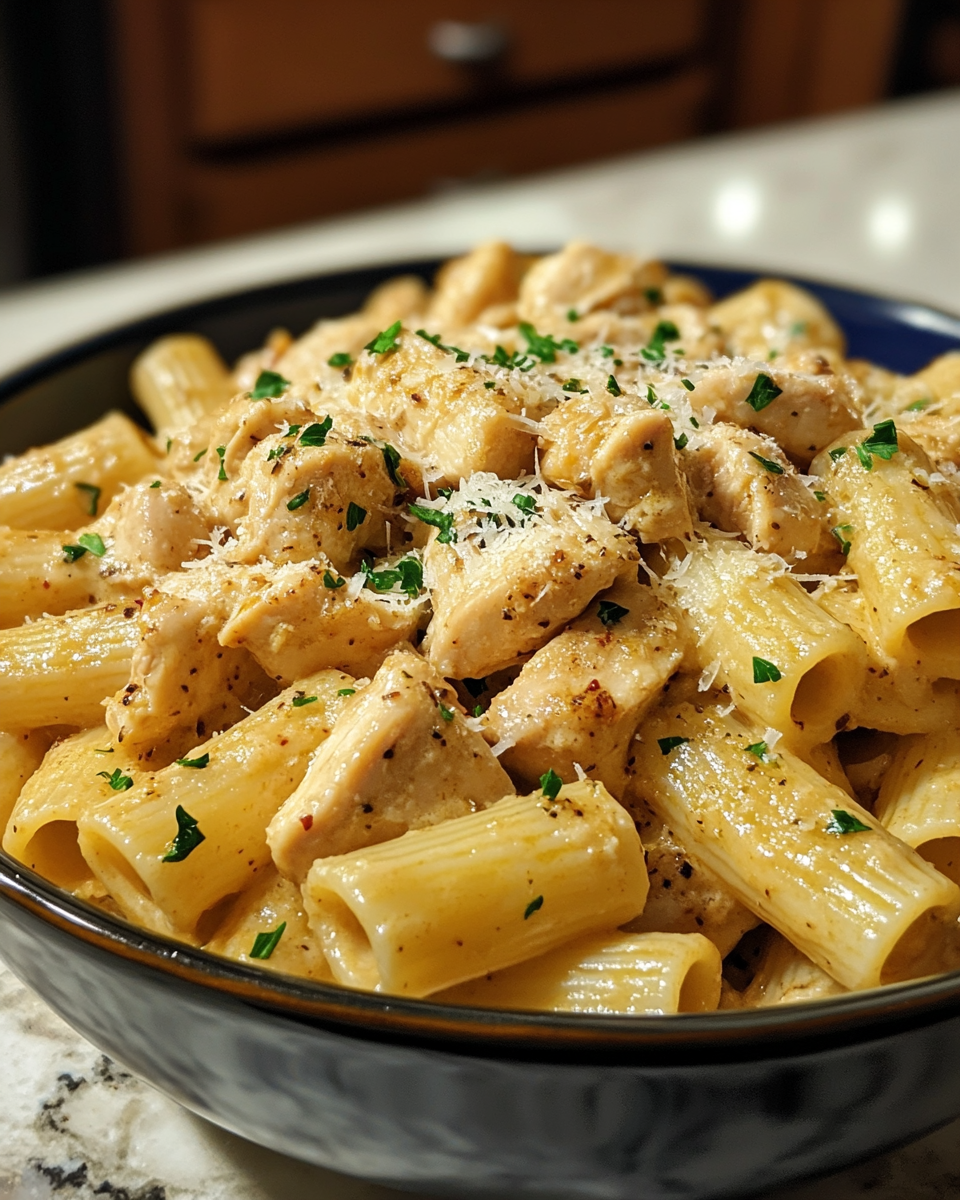
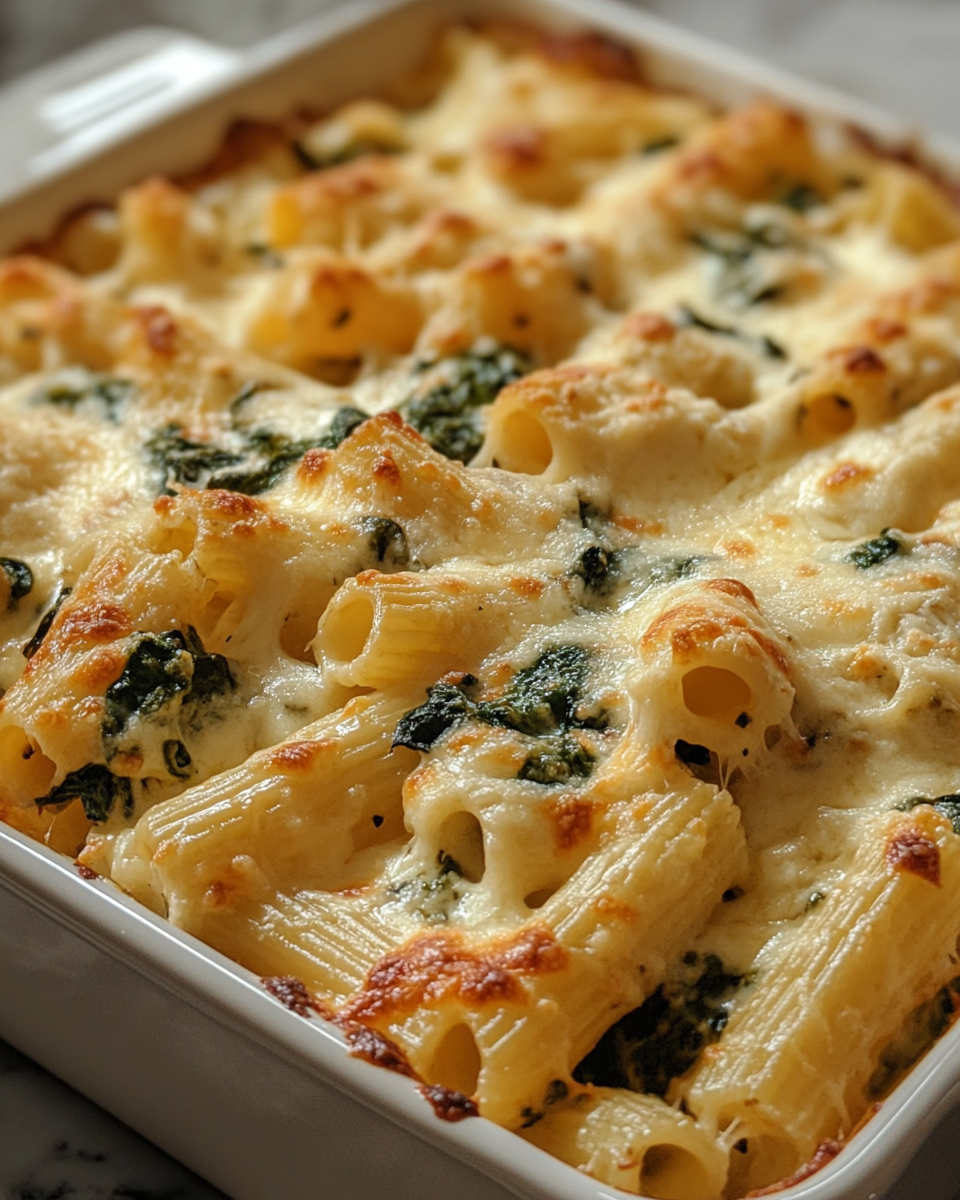
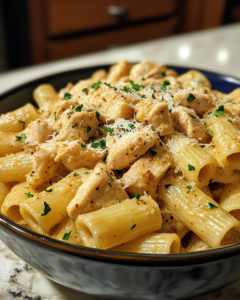
A bowl of Creamy Whipped Ricotta Pasta brings together soft dairy richness, tender pasta, and bright finishing touches in a way that feels both rustic and refined. The sauce starts with ricotta whipped until airy, then blended with warm pasta so it gently coats every strand or bite. It is the kind of dish that fits a quiet dinner at home yet also works well for sharing at a casual gathering.

What sets this pasta apart is the texture of the ricotta. When whipped, it turns from dense and grainy into smooth and light, creating a sauce that clings without feeling heavy. Garlic, olive oil, and a touch of citrus or herbs often join in, giving balance to the creamy base.

This dish also adapts easily to what is already in the kitchen. Fresh greens, roasted vegetables, or crispy toppings can be added without changing the heart of the recipe. The result is a comforting pasta that feels rich but still fresh.

Ingredients Overview

Ricotta is the foundation of this pasta. Whole milk ricotta works best because it whips into a smoother, silkier texture compared to part-skim versions. When beaten, it becomes light and spreadable, forming the base of the sauce without needing heavy cream.

Pasta choice matters as well. Shapes like rigatoni, fusilli, or spaghetti all carry the sauce differently. Ridged or twisted shapes hold onto the whipped ricotta especially well, while long strands create a more flowing, silky bite.

Olive oil adds depth and helps loosen the ricotta into a pourable consistency. A small amount of garlic brings warmth without overpowering the dairy notes. Lemon zest or a small squeeze of juice can brighten the dish and balance richness.

Salt is essential for bringing forward the natural flavor of the cheese and pasta water. Freshly cracked black pepper adds a gentle bite that contrasts the creamy base.

Optional additions such as spinach, peas, roasted cherry tomatoes, or sautéed mushrooms can add color and texture. Fresh basil or parsley at the end adds a clean herbal finish. A sprinkle of grated Parmesan can deepen the savory profile, though the ricotta already carries the main creaminess.

Each ingredient plays a simple role, and together they form a balanced pasta that feels comforting without being heavy.

Ingredients

12 ounces pasta (rigatoni, spaghetti, or fusilli)
1 cup whole milk ricotta cheese
1/4 cup extra virgin olive oil
2 cloves garlic, finely minced
1/2 teaspoon salt, plus more for pasta water
1/2 teaspoon black pepper
1/2 teaspoon lemon zest
1 tablespoon lemon juice
1/3 cup reserved pasta water
1/4 cup grated Parmesan cheese
1 cup baby spinach (optional)
1/2 cup cherry tomatoes, halved (optional)
2 tablespoons fresh basil, chopped
1 tablespoon butter (optional for richness)

Step-by-Step Instructions

Start by bringing a large pot of salted water to a boil. The water should taste lightly seasoned, as this is the main opportunity to flavor the pasta itself. Add the pasta and cook until just al dente, following package timing as a guide. Before draining, reserve at least one cup of the starchy pasta water.

While the pasta cooks, prepare the whipped ricotta. Place ricotta in a mixing bowl along with olive oil, minced garlic, salt, black pepper, lemon zest, and lemon juice. Use a whisk or hand mixer to beat the mixture until smooth and airy. The texture should become lighter and easier to spread, with no visible lumps remaining.

If using vegetables like spinach or cherry tomatoes, warm a skillet over medium heat. Add a small drizzle of olive oil, then sauté the tomatoes until slightly softened or wilt the spinach until tender. Set aside.

Once the pasta is cooked and drained, return it to the pot while still warm. Add a small splash of reserved pasta water and stir gently to loosen the strands. This step helps the sauce attach evenly.

Spoon the whipped ricotta into the pasta. Stir slowly so the heat of the pasta begins to melt and spread the ricotta into a creamy coating. Add more pasta water as needed until the sauce reaches a smooth, silky consistency that lightly clings to each piece.

Fold in sautéed vegetables if using. Sprinkle in Parmesan cheese and stir again. Taste and adjust seasoning with more salt or pepper if needed.

Finish with fresh basil on top. Serve immediately while warm and creamy. The sauce will continue to thicken slightly as it rests, so serving right away keeps the texture at its smoothest.

Tips, Variations & Substitutions

For an extra light texture, whip the ricotta a bit longer until it becomes almost mousse-like. A hand mixer works faster, but a whisk also achieves a smooth result with a bit more effort.

For added richness, a small spoon of butter can be melted into the hot pasta before mixing in the ricotta. This creates a slightly silkier coating.

Vegetable variations work well in this dish. Roasted zucchini, asparagus, or mushrooms bring earthy depth. For a brighter profile, peas or spinach add freshness and color.

If dairy needs adjustment, lactose-free ricotta can be used without changing the method. For a sharper flavor, a small amount of aged Pecorino can replace Parmesan.

For a slightly lighter finish, reduce olive oil and increase pasta water. This keeps the sauce soft without adding extra richness.

Serving Ideas & Occasions

Creamy Whipped Ricotta Pasta works well as a main dish for a relaxed dinner or as part of a larger shared meal. It pairs nicely with a simple green salad dressed in olive oil and lemon juice.

Garlic bread or toasted sourdough complements the creamy texture and helps gather any remaining sauce from the bowl.

For drinks, sparkling water with citrus or a light white wine pairs well with the mild richness of the ricotta sauce.

This pasta also fits casual gatherings where dishes are served family-style. Its soft texture and gentle flavor profile make it appealing across different preferences.

Nutritional & Health Notes

This pasta provides a balance of carbohydrates, fats, and protein. Ricotta contributes protein and calcium, while olive oil adds healthy fats that support satiety.

Portion size plays a role in overall balance, especially since the dish carries a creamy base. Adding vegetables such as spinach or tomatoes increases fiber and micronutrients without altering the main texture.

Whole grain pasta can be used for added fiber content, which slightly changes the texture but maintains the creamy sauce coating.

This dish fits into a varied eating pattern when paired with vegetables or lighter sides. It is rich enough to satisfy while still allowing room for fresh additions.

FAQs

What type of ricotta works best for this pasta?

Whole milk ricotta gives the smoothest and richest texture. It whips more easily and creates a creamy sauce that coats pasta evenly. Part-skim versions can be used, but the result may be slightly grainier and less silky. Draining excess liquid from ricotta before mixing also helps improve consistency.

Can this dish be prepared ahead of time?

The whipped ricotta can be prepared in advance and stored in a sealed container in the refrigerator for up to two days. However, the pasta itself is best when freshly combined, since the sauce thickens as it sits. Reheating with a splash of water can help restore creaminess.

What pasta shapes work best?

Short, ridged pasta like rigatoni or fusilli holds the whipped ricotta well, while spaghetti or linguine creates a smoother, flowing texture. Both options work, and the choice depends on whether a thicker or lighter coating is preferred.

Can vegetables be added directly into the sauce?

Yes, vegetables like spinach, peas, or roasted tomatoes can be folded into the pasta after mixing with the ricotta. Cooking or roasting them first improves flavor and prevents excess moisture from thinning the sauce.

How can the sauce be made richer?

A small amount of butter or extra Parmesan can deepen the flavor and add richness. Warm pasta water also helps create a silkier texture without making the dish overly heavy.

Is it possible to make this dish dairy-free?

A dairy-free ricotta alternative can be used, often made from almonds or cashews. The texture will differ slightly, but blending it with olive oil and pasta water still creates a creamy coating for the pasta.

Why does pasta water matter in this recipe?

Pasta water contains starch that helps bind the ricotta to the pasta. It loosens the cheese into a smooth sauce and helps it cling evenly to every piece, creating a cohesive and creamy dish.

………………..

[rank_math_breadcrumb]

Creamy Whipped Ricotta Pasta: 7 Simple Surprising Comfort

Photo of author
Author: Carol
Published:

A bowl of Creamy Whipped Ricotta Pasta brings together soft dairy richness, tender pasta, and bright finishing touches in a way that feels both rustic and refined. The sauce starts with ricotta whipped until airy, then blended with warm pasta so it gently coats every strand or bite. It is the kind of dish that fits a quiet dinner at home yet also works well for sharing at a casual gathering.

What sets this pasta apart is the texture of the ricotta. When whipped, it turns from dense and grainy into smooth and light, creating a sauce that clings without feeling heavy. Garlic, olive oil, and a touch of citrus or herbs often join in, giving balance to the creamy base.

This dish also adapts easily to what is already in the kitchen. Fresh greens, roasted vegetables, or crispy toppings can be added without changing the heart of the recipe. The result is a comforting pasta that feels rich but still fresh.

Ingredients Overview

Ricotta is the foundation of this pasta. Whole milk ricotta works best because it whips into a smoother, silkier texture compared to part-skim versions. When beaten, it becomes light and spreadable, forming the base of the sauce without needing heavy cream.

Pasta choice matters as well. Shapes like rigatoni, fusilli, or spaghetti all carry the sauce differently. Ridged or twisted shapes hold onto the whipped ricotta especially well, while long strands create a more flowing, silky bite.

Olive oil adds depth and helps loosen the ricotta into a pourable consistency. A small amount of garlic brings warmth without overpowering the dairy notes. Lemon zest or a small squeeze of juice can brighten the dish and balance richness.

Salt is essential for bringing forward the natural flavor of the cheese and pasta water. Freshly cracked black pepper adds a gentle bite that contrasts the creamy base.

Optional additions such as spinach, peas, roasted cherry tomatoes, or sautéed mushrooms can add color and texture. Fresh basil or parsley at the end adds a clean herbal finish. A sprinkle of grated Parmesan can deepen the savory profile, though the ricotta already carries the main creaminess.

Each ingredient plays a simple role, and together they form a balanced pasta that feels comforting without being heavy.

Ingredients

12 ounces pasta (rigatoni, spaghetti, or fusilli)
1 cup whole milk ricotta cheese
1/4 cup extra virgin olive oil
2 cloves garlic, finely minced
1/2 teaspoon salt, plus more for pasta water
1/2 teaspoon black pepper
1/2 teaspoon lemon zest
1 tablespoon lemon juice
1/3 cup reserved pasta water
1/4 cup grated Parmesan cheese
1 cup baby spinach (optional)
1/2 cup cherry tomatoes, halved (optional)
2 tablespoons fresh basil, chopped
1 tablespoon butter (optional for richness)

Step-by-Step Instructions

Start by bringing a large pot of salted water to a boil. The water should taste lightly seasoned, as this is the main opportunity to flavor the pasta itself. Add the pasta and cook until just al dente, following package timing as a guide. Before draining, reserve at least one cup of the starchy pasta water.

While the pasta cooks, prepare the whipped ricotta. Place ricotta in a mixing bowl along with olive oil, minced garlic, salt, black pepper, lemon zest, and lemon juice. Use a whisk or hand mixer to beat the mixture until smooth and airy. The texture should become lighter and easier to spread, with no visible lumps remaining.

If using vegetables like spinach or cherry tomatoes, warm a skillet over medium heat. Add a small drizzle of olive oil, then sauté the tomatoes until slightly softened or wilt the spinach until tender. Set aside.

Once the pasta is cooked and drained, return it to the pot while still warm. Add a small splash of reserved pasta water and stir gently to loosen the strands. This step helps the sauce attach evenly.

Spoon the whipped ricotta into the pasta. Stir slowly so the heat of the pasta begins to melt and spread the ricotta into a creamy coating. Add more pasta water as needed until the sauce reaches a smooth, silky consistency that lightly clings to each piece.

Fold in sautéed vegetables if using. Sprinkle in Parmesan cheese and stir again. Taste and adjust seasoning with more salt or pepper if needed.

Finish with fresh basil on top. Serve immediately while warm and creamy. The sauce will continue to thicken slightly as it rests, so serving right away keeps the texture at its smoothest.

Tips, Variations & Substitutions

For an extra light texture, whip the ricotta a bit longer until it becomes almost mousse-like. A hand mixer works faster, but a whisk also achieves a smooth result with a bit more effort.

For added richness, a small spoon of butter can be melted into the hot pasta before mixing in the ricotta. This creates a slightly silkier coating.

Vegetable variations work well in this dish. Roasted zucchini, asparagus, or mushrooms bring earthy depth. For a brighter profile, peas or spinach add freshness and color.

If dairy needs adjustment, lactose-free ricotta can be used without changing the method. For a sharper flavor, a small amount of aged Pecorino can replace Parmesan.

For a slightly lighter finish, reduce olive oil and increase pasta water. This keeps the sauce soft without adding extra richness.

Serving Ideas & Occasions

Creamy Whipped Ricotta Pasta works well as a main dish for a relaxed dinner or as part of a larger shared meal. It pairs nicely with a simple green salad dressed in olive oil and lemon juice.

Garlic bread or toasted sourdough complements the creamy texture and helps gather any remaining sauce from the bowl.

For drinks, sparkling water with citrus or a light white wine pairs well with the mild richness of the ricotta sauce.

This pasta also fits casual gatherings where dishes are served family-style. Its soft texture and gentle flavor profile make it appealing across different preferences.

Nutritional & Health Notes

This pasta provides a balance of carbohydrates, fats, and protein. Ricotta contributes protein and calcium, while olive oil adds healthy fats that support satiety.

Portion size plays a role in overall balance, especially since the dish carries a creamy base. Adding vegetables such as spinach or tomatoes increases fiber and micronutrients without altering the main texture.

Whole grain pasta can be used for added fiber content, which slightly changes the texture but maintains the creamy sauce coating.

This dish fits into a varied eating pattern when paired with vegetables or lighter sides. It is rich enough to satisfy while still allowing room for fresh additions.

FAQs

What type of ricotta works best for this pasta?

Whole milk ricotta gives the smoothest and richest texture. It whips more easily and creates a creamy sauce that coats pasta evenly. Part-skim versions can be used, but the result may be slightly grainier and less silky. Draining excess liquid from ricotta before mixing also helps improve consistency.

Can this dish be prepared ahead of time?

The whipped ricotta can be prepared in advance and stored in a sealed container in the refrigerator for up to two days. However, the pasta itself is best when freshly combined, since the sauce thickens as it sits. Reheating with a splash of water can help restore creaminess.

What pasta shapes work best?

Short, ridged pasta like rigatoni or fusilli holds the whipped ricotta well, while spaghetti or linguine creates a smoother, flowing texture. Both options work, and the choice depends on whether a thicker or lighter coating is preferred.

Can vegetables be added directly into the sauce?

Yes, vegetables like spinach, peas, or roasted tomatoes can be folded into the pasta after mixing with the ricotta. Cooking or roasting them first improves flavor and prevents excess moisture from thinning the sauce.

How can the sauce be made richer?

A small amount of butter or extra Parmesan can deepen the flavor and add richness. Warm pasta water also helps create a silkier texture without making the dish overly heavy.

Is it possible to make this dish dairy-free?

A dairy-free ricotta alternative can be used, often made from almonds or cashews. The texture will differ slightly, but blending it with olive oil and pasta water still creates a creamy coating for the pasta.

Why does pasta water matter in this recipe?

Pasta water contains starch that helps bind the ricotta to the pasta. It loosens the cheese into a smooth sauce and helps it cling evenly to every piece, creating a cohesive and creamy dish.

………………..

Name

Lorem ipsum dolor sit amet, consectetur adipiscing elit. Suspendisse varius enim in eros elementum tristique. Duis cursus, mi quis viverra ornare, eros dolor interdum nulla, ut commodo diam libero vitae erat.

You Might Also Like...

Lemon Herb Chicken Thighs: 7 Cozy Family Favorites

Lemon Herb Chicken Thighs: 7 Cozy Family Favorites

Beef and Broccoli Stir Fry: 6 Savory Skillet Favorites

Beef and Broccoli Stir Fry: 6 Savory Skillet Favorites

Creamy Cajun Chicken Pasta: 5 Rich Dinner Favorites

Creamy Cajun Chicken Pasta: 5 Rich Dinner Favorites

Garlic Butter Chicken Bake: 5 Cozy Family Dinner Tips

Garlic Butter Chicken Bake: 5 Cozy Family Dinner Tips

Tags:

You might also like these recipes

Leave a Comment