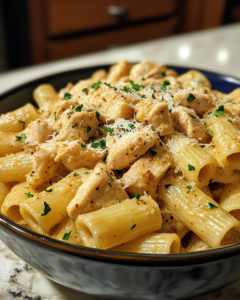
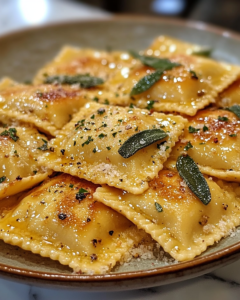
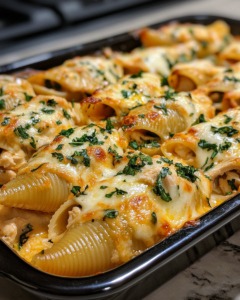
Shrimp Garlic Butter Linguine brings together tender pasta, juicy shrimp, rich butter, and fragrant garlic in a skillet dinner that feels cozy yet polished. The silky sauce lightly coats every strand of linguine while fresh parsley and lemon brighten each bite. This pasta dish suits busy evenings, casual gatherings, and quiet family dinners because it comes together quickly without complicated preparation.
The combination of seafood and garlic butter creates deep savory flavor with very little effort. Linguine works beautifully because its flat shape holds onto the buttery sauce without becoming heavy. A sprinkle of Parmesan near the end adds a salty finish that balances the sweetness of shrimp.
Fresh ingredients matter in this recipe. Plump shrimp, fresh garlic cloves, and quality butter build the foundation for a rich pan sauce that tastes restaurant-worthy straight from your kitchen. The result is warm, comforting, and satisfying while still feeling light enough for any season.
Ingredients Overview
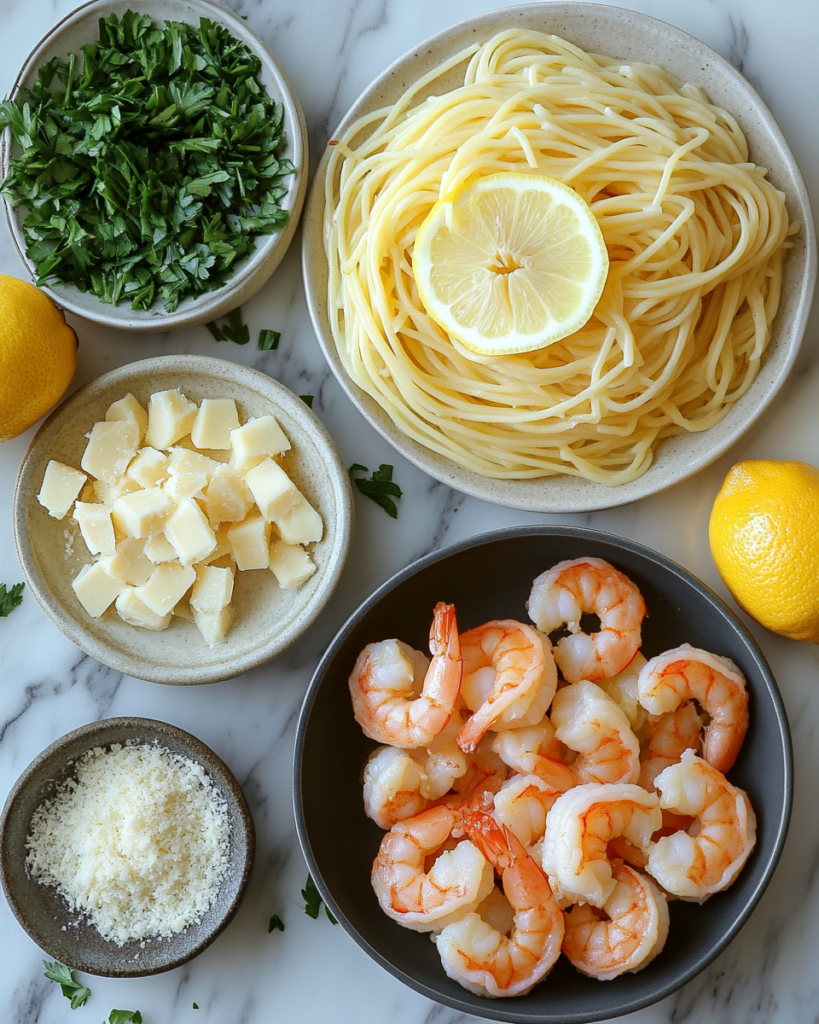
Shrimp stands at the center of this pasta recipe, bringing delicate sweetness and tender texture. Large shrimp work particularly well because they stay juicy during quick cooking. Fresh or frozen shrimp both work nicely as long as they are peeled and deveined before cooking. Patting shrimp dry before they hit the skillet helps them brown lightly instead of steaming.
Garlic provides bold aroma and savory depth throughout the sauce. Fresh garlic cloves create far richer flavor than pre-minced varieties. Thinly slicing or finely mincing the garlic allows it to melt smoothly into the butter without leaving harsh bites.
Butter forms the base of the sauce and gives the pasta its silky coating. Unsalted butter allows better control over seasoning, especially when Parmesan cheese joins the dish later. Olive oil works alongside the butter to prevent scorching while adding subtle richness.
Linguine holds sauce beautifully thanks to its slightly flat shape. Spaghetti can replace linguine if needed, though linguine offers a slightly fuller bite. Cooking the pasta until just al dente keeps the final dish from turning soft once tossed in the skillet.
Lemon juice brightens the richness of butter and seafood. Fresh parsley adds color and freshness that balance the savory notes. Parmesan contributes salty nuttiness and thickens the sauce slightly as it melts into the warm pasta.
For extra depth, crushed red pepper flakes add mild heat without overpowering the shrimp. White wine can also join the sauce for a subtle layer of acidity and richness. Gluten-free linguine works nicely for dietary adjustments, while dairy-free butter substitutes can still produce a smooth sauce with slightly lighter flavor.
Ingredients
12 ounces linguine
1 pound large shrimp, peeled and deveined
4 tablespoons unsalted butter
2 tablespoons olive oil
6 garlic cloves, minced
1/2 teaspoon salt
1/2 teaspoon black pepper
1/4 teaspoon crushed red pepper flakes
1/3 cup dry white wine
1 tablespoon fresh lemon juice
1/4 cup chopped fresh parsley
1/2 cup grated Parmesan cheese
1/4 cup reserved pasta water
Lemon wedges for serving
Step-by-Step Instructions

Fill a large pot with water and season generously with salt. Bring the water to a rolling boil before adding the linguine. Cook the pasta until al dente according to package directions, usually around 9 to 11 minutes. Reserve about 1/4 cup of pasta water before draining.
While the pasta cooks, pat the shrimp dry with paper towels. Season both sides with salt and black pepper. Dry shrimp brown more evenly and develop richer flavor in the skillet.
Heat a large skillet over medium heat. Add olive oil and 2 tablespoons of butter. Once the butter melts, arrange the shrimp in a single layer. Cook for about 2 minutes per side until pink and lightly golden. Avoid overcrowding the skillet because crowded shrimp release moisture and lose their delicate sear.
Transfer the cooked shrimp to a plate while preparing the sauce. Lower the heat slightly and add the remaining butter to the same skillet. Stir in the minced garlic and crushed red pepper flakes. Cook for about 30 seconds until fragrant. Garlic burns quickly, so stir constantly during this stage.
Pour in the white wine and scrape the bottom of the skillet with a wooden spoon to lift flavorful browned bits. Let the liquid simmer for 2 to 3 minutes until slightly reduced. Add lemon juice and stir gently.
Return the drained linguine to the skillet. Toss carefully so the pasta absorbs the buttery sauce. Add reserved pasta water a little at a time if the mixture seems dry. The starch from the pasta water helps create a glossy coating.
Add the shrimp back into the skillet along with chopped parsley and Parmesan cheese. Toss everything together until evenly combined and warmed through. The cheese should melt lightly into the sauce without becoming clumpy.
Taste the pasta before serving and adjust seasoning if needed. Serve immediately with extra Parmesan and lemon wedges on the side.
Several small details can improve the final texture. Overcooked shrimp become rubbery very quickly, so remove them from heat as soon as they turn opaque. Pasta should stay slightly firm because it continues cooking once mixed into the sauce. If the sauce thickens too much while tossing, another splash of pasta water restores a silky consistency.
Tips, Variations & Substitutions
Fresh shrimp provide the richest flavor, though frozen shrimp remain a reliable option for busy evenings. Thaw frozen shrimp overnight in the refrigerator or under cool running water before cooking.
For deeper savory flavor, add a handful of sautéed mushrooms or spinach during the final toss. Cherry tomatoes also pair beautifully with garlic butter sauce because their sweetness balances the salty Parmesan.
Those who enjoy heat can increase the crushed red pepper flakes or stir in a spoonful of chili crisp near serving time. A splash of heavy cream creates a richer sauce with slightly thicker texture.
Spaghetti, fettuccine, or angel hair pasta can replace linguine depending on preference. Whole wheat pasta adds nuttier flavor and extra fiber. Gluten-free pasta also works nicely, though it should be cooked carefully to avoid breaking apart during tossing.
Chicken can replace shrimp for guests who prefer poultry, while scallops create a slightly sweeter seafood variation. Dairy-free butter substitutes still produce a pleasant sauce, especially when paired with olive oil.
Fresh herbs make a noticeable difference in this dish. Parsley remains traditional, though basil or chives can bring slightly different flavor profiles. Freshly grated Parmesan melts more smoothly than pre-shredded cheese and creates a silkier finish.
Serving Ideas & Occasions
Shrimp Garlic Butter Linguine fits beautifully into both casual and slightly polished meals. It works wonderfully for weeknight dinners because the entire dish comes together quickly while still feeling special enough for guests.
Serve this pasta alongside warm garlic bread or a crusty baguette for soaking up the buttery sauce. A crisp green salad with lemon vinaigrette balances the richness of the pasta and adds refreshing texture. Roasted asparagus, broccoli, or green beans also pair nicely with the savory seafood flavors.
For beverages, chilled sparkling water with lemon works wonderfully, while white wine such as Pinot Grigio or Sauvignon Blanc complements the shrimp and garlic butter beautifully.
This recipe suits date nights, family gatherings, holiday dinners, and relaxed weekend meals. Because the dish cooks quickly, it also works well for small dinner parties where the host prefers less time standing over the stove.
Nutritional & Health Notes
Shrimp provides lean protein while remaining relatively low in calories. It also contains selenium, iodine, and vitamin B12, making it a nourishing addition to pasta dishes. Garlic contributes bold flavor without relying heavily on extra fats or rich sauces.
Butter and Parmesan add richness and satisfying texture, though portion size can help balance the overall meal. Pairing the pasta with vegetables or salad creates a more balanced plate with additional fiber and freshness.
Olive oil contributes heart-friendly fats while supporting the savory flavor of the sauce. Fresh parsley and lemon juice brighten the dish naturally without heavy cream or thick sauces.
Whole wheat linguine offers extra fiber and slightly nuttier flavor for those seeking a more filling variation. Reducing the Parmesan slightly can lower sodium while still preserving savory depth.
Because this recipe relies on fresh ingredients and quick cooking, the flavors remain bright rather than overly heavy. The result is comforting while still feeling fresh and balanced.
FAQs
Can I use frozen shrimp for this recipe?
Frozen shrimp work very well in Shrimp Garlic Butter Linguine and remain a practical option for busy schedules. Fully thaw the shrimp before cooking so they brown properly in the skillet. The easiest method involves placing frozen shrimp in the refrigerator overnight. For quicker preparation, run cool water over the shrimp inside a colander for several minutes until thawed.
After thawing, pat the shrimp dry carefully with paper towels. Excess moisture prevents proper browning and can water down the sauce. Medium or large shrimp both work nicely, though larger shrimp tend to stay juicier during cooking. Avoid pre-cooked shrimp because reheating them too long can create a rubbery texture instead of tender bites.
Which pasta shape works best besides linguine?
Linguine remains a favorite choice because its slightly flat strands hold buttery sauce beautifully. Still, several pasta shapes work nicely in this recipe depending on texture preference and pantry availability.
Spaghetti creates a lighter feel with similar flavor balance. Fettuccine produces a richer, fuller bite because the noodles are wider. Angel hair cooks quickly and creates a more delicate texture, though it can become soft if overcooked. Short pasta shapes such as penne or fusilli also catch bits of garlic and Parmesan throughout the dish.
When swapping pasta shapes, cook until al dente and reserve pasta water before draining. That starchy water helps the sauce cling smoothly regardless of noodle style.
How do I keep shrimp from becoming rubbery?
Shrimp cook very quickly, which means timing matters greatly. Most large shrimp need only about 2 minutes per side over medium heat. Once shrimp turn pink and opaque, they should leave the skillet promptly.
Overcooking causes shrimp to tighten and lose their tender texture. Watching visual cues helps more than relying strictly on timing. Properly cooked shrimp curl gently into a loose “C” shape. Tightly curled shrimp often indicate overcooking.
Another helpful step involves cooking shrimp separately from the pasta sauce at first. Removing them before building the garlic butter mixture prevents prolonged heat exposure. Adding shrimp back near the end keeps them warm without continuing to cook excessively.
Can I prepare this dish ahead of time?
Shrimp Garlic Butter Linguine tastes best immediately after cooking because the sauce stays silky and the shrimp remain tender. Still, several preparation steps can happen ahead of time for easier cooking later.
Peel and devein shrimp in advance, mince garlic, chop parsley, and grate Parmesan earlier in the day. These small steps shorten active cooking time significantly. The pasta itself should still cook fresh for the best texture.
If leftovers remain, store them in an airtight container in the refrigerator for up to two days. Reheat gently in a skillet over low heat with a splash of water or broth to loosen the sauce. Avoid microwaving too long because shrimp toughen quickly under high heat.
What can I use instead of white wine?
White wine adds acidity and depth, though several substitutes work nicely if preferred. Chicken broth offers savory flavor while still helping loosen browned bits from the skillet. Seafood stock also pairs naturally with shrimp and garlic butter.
For slightly brighter flavor, combine broth with a small squeeze of lemon juice. Some cooks also enjoy a splash of pasta water mixed with extra lemon for a lighter variation.
Avoid sweet cooking wines because they can overpower the savory balance of the dish. Dry substitutes create cleaner flavor and allow the garlic, butter, and shrimp to remain the focus of the recipe.
Can I add vegetables to the pasta?
Vegetables pair beautifully with Shrimp Garlic Butter Linguine and can turn the dish into a fuller meal. Spinach works particularly well because it wilts quickly into the warm pasta without extra preparation. Cherry tomatoes add juicy sweetness and bright color.
Asparagus, zucchini, broccoli, and mushrooms also complement the garlic butter sauce. Most vegetables should cook separately before joining the pasta so they maintain pleasant texture instead of becoming soggy.
Adding vegetables near the final tossing stage helps preserve freshness and color. Lighter vegetables keep the dish balanced while still allowing the shrimp and buttery sauce to remain central flavors throughout the meal.
How should leftovers be stored and reheated?
Store leftovers in an airtight container in the refrigerator for up to two days. Seafood pasta tends to lose texture after longer storage, so earlier reheating usually produces better results.
For reheating, place the pasta in a skillet over low heat with a splash of water, broth, or olive oil. Stir gently until warmed through. This method helps revive the sauce while protecting the shrimp from becoming overcooked.
Microwave reheating works in shorter intervals, though careful timing matters greatly. Heat gradually and stir between intervals to prevent uneven cooking. Adding a fresh squeeze of lemon and extra parsley before serving can brighten the leftovers nicely and restore some freshness to the dish.