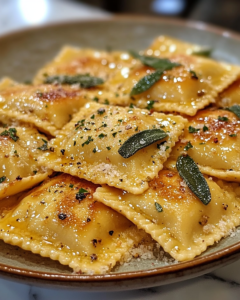
3-Ingredient Tomato Pasta: Simple Happy Dinner

Posted on

Veggies

Difficulty

Prep time

Cooking time

Total time

Servings

3-ingredient tomato pasta is proof that a short ingredient list can still deliver deep flavor and comfort in every bite. This dish relies on pantry staples and careful cooking to create a rich, balanced sauce that clings beautifully to tender pasta.

The beauty of 3-ingredient tomato pasta lies in its simplicity. With just pasta, tomatoes, and olive oil, each component has a clear role. When cooked with attention to timing and heat, the result is a smooth, lightly glossy sauce that tastes far more complex than expected.

This recipe is ideal for busy evenings, quiet lunches, or moments when the kitchen needs to feel calm rather than crowded. It is also a wonderful starting point for building confidence with basic cooking techniques.

Ingredients Overview

The success of 3-ingredient tomato pasta depends on selecting quality ingredients and understanding how they interact during cooking. With so few elements, each one contributes significantly to the final texture and taste.

Pasta serves as the foundation of the dish. Short shapes like penne or rigatoni hold the sauce well, while long strands like spaghetti or linguine create a silky, even coating. The starch released during cooking is essential, as it helps bind the sauce and gives it a slightly creamy consistency without added dairy.

Tomatoes are the heart of the sauce. Canned whole peeled tomatoes or crushed tomatoes work best because they are picked and preserved at peak ripeness. Their natural sweetness and acidity form the base flavor. As they cook down, their juices concentrate, creating a deeper taste that balances well with the olive oil.

Olive oil adds richness and smoothness. A good-quality extra virgin olive oil brings a gentle fruitiness that rounds out the acidity of the tomatoes. It also helps carry flavor across the pasta, giving each bite a cohesive taste.

If needed, small adjustments can be made without changing the essence of the recipe. For example, a pinch of salt can be added to the pasta water to enhance flavor. If canned tomatoes are too acidic, a brief simmer helps mellow their sharpness.

Ingredients

12 ounces pasta (spaghetti, penne, or rigatoni)
2 cups canned whole peeled tomatoes, crushed by hand
1/4 cup extra virgin olive oil
Salt, for pasta water

Step-by-Step Instructions

Begin by bringing a large pot of water to a rolling boil. Add a generous pinch of salt to the water; it should taste lightly seasoned. This step is important because the pasta absorbs some of this water as it cooks, which adds subtle flavor from within.

Add the pasta and cook according to package instructions until just shy of fully tender. Stir occasionally to prevent sticking. Reserve about 1/2 cup of the pasta cooking water before draining, as this starchy liquid will help bring the sauce together later.

While the pasta cooks, place a wide pan over medium heat and add the olive oil. Allow it to warm gently, avoiding high heat that could cause it to lose its smooth flavor. Add the crushed tomatoes to the pan, including their juices.

Let the tomatoes simmer slowly in the oil. Stir occasionally and allow the mixture to thicken slightly, about 10 to 15 minutes. You will notice the oil beginning to blend with the tomato juices, creating a cohesive sauce with a soft sheen.

Once the pasta is nearly done, transfer it directly into the pan with the simmering tomatoes. Add a small splash of the reserved pasta water. Toss the pasta gently, allowing it to finish cooking in the sauce. This step helps the pasta absorb flavor while releasing starch that thickens the sauce.

Continue tossing over low heat for another 2 to 3 minutes. If the sauce looks too thick, add a bit more pasta water. If it seems too loose, allow it to cook slightly longer until it clings to the pasta.

Taste and adjust with a pinch of salt if needed. The finished dish should have a balanced flavor with a smooth, lightly glossy coating on each piece of pasta.

Serve immediately while warm. Avoid letting the pasta sit too long, as it can absorb too much sauce and lose its ideal texture.

Common mistakes include overcooking the pasta before adding it to the sauce, which can lead to a soft texture, and using too much heat when cooking the tomatoes, which may cause the oil to separate instead of blending.

Tips, Variations & Substitutions

Choosing high-quality tomatoes makes a noticeable difference in this recipe. Look for canned tomatoes with minimal added ingredients for the cleanest flavor.

If a slightly richer taste is desired, allow the tomatoes to simmer a bit longer. This deepens their natural sweetness and reduces excess liquid, resulting in a thicker sauce.

For a smoother texture, the tomatoes can be blended before cooking. This creates a more uniform sauce that coats the pasta evenly.

Different pasta shapes can change the overall feel of the dish. Short pasta captures small pockets of sauce, while long strands provide a continuous coating with each bite.

For a subtle variation, a small amount of butter can be stirred in at the end for added richness. Although not part of the traditional three ingredients, it can gently soften the acidity of the tomatoes.

Whole wheat or gluten-free pasta can be used as a substitute. In these cases, monitor cooking times closely, as texture can vary slightly.

Serving Ideas & Occasions

3-ingredient tomato pasta fits seamlessly into many occasions, from quick weeknight meals to relaxed weekend dinners. Its straightforward preparation makes it ideal when time is limited but a warm, satisfying dish is still desired.

Serve it alongside a simple green salad dressed with olive oil and a splash of vinegar. The freshness of the greens complements the richness of the pasta.

A slice of crusty bread pairs well with the sauce, allowing any remaining tomato mixture to be enjoyed fully. For drinks, a light sparkling water or a mild white beverage works nicely without overpowering the flavors.

This dish is also suitable for casual gatherings where a comforting, familiar meal is appreciated. Its simplicity makes it easy to prepare in larger batches without added complexity.

Nutritional & Health Notes

This pasta dish offers a balanced combination of carbohydrates and healthy fats. The pasta provides energy, while the olive oil contributes beneficial fats that support overall dietary balance.

Tomatoes are a source of vitamins and natural compounds that add nutritional value. Cooking them gently helps concentrate their flavor while maintaining their key properties.

Portion size plays an important role in keeping the meal balanced. Pairing the pasta with a side of vegetables can add fiber and create a more complete plate.

Since the recipe uses minimal ingredients, it is easier to control what goes into the dish. This can be helpful for those who prefer straightforward, home-cooked meals without added preservatives or complex components.

FAQs

Can I use fresh tomatoes instead of canned?

Yes, fresh tomatoes can be used, but they require a bit more preparation. Choose ripe, flavorful tomatoes and peel them before crushing. Fresh tomatoes tend to contain more water, so the sauce may need extra cooking time to thicken properly. The flavor can be lighter compared to canned varieties, especially if the tomatoes are not at peak ripeness. Cooking them slowly helps concentrate their taste and improve the final texture of the sauce.

What type of pasta works best?

Both short and long pasta shapes work well for this dish. Short shapes like penne or rigatoni hold small pockets of sauce, giving a more textured bite. Long pasta such as spaghetti creates a smoother, more even coating. The choice depends on personal preference. Regardless of the shape, cooking the pasta until just tender before finishing it in the sauce is key to achieving the right consistency.

Why is pasta water important?

Pasta water contains starch released during cooking, which helps bind the sauce to the pasta. Adding a small amount to the pan creates a smoother texture and prevents the sauce from feeling too thick or too thin. It also helps the oil and tomato juices combine more effectively. Skipping this step can result in a sauce that does not cling well to the pasta.

Can I store leftovers?

Leftover pasta can be stored in an airtight container in the refrigerator for up to two days. When reheating, add a small splash of water or olive oil to loosen the sauce and restore its texture. Warm it gently over low heat or in short intervals in the microwave, stirring in between. The pasta may absorb more sauce over time, so slight adjustments help bring it back to its original consistency.

Is this recipe suitable for beginners?

This recipe is well-suited for beginners because it focuses on simple techniques and timing. It teaches how to cook pasta properly, how to simmer a basic sauce, and how to combine the two for a cohesive dish. Paying attention to heat levels and texture cues is more important than advanced skills, making it a practical starting point for building confidence in the kitchen.

Can I make this dish ahead of time?

It is best enjoyed fresh, but it can be prepared slightly ahead if needed. Cook the sauce in advance and store it separately. When ready to serve, cook the pasta and combine it with the reheated sauce. This approach helps maintain the ideal texture and prevents the pasta from becoming overly soft. Combining everything just before serving gives the best result.

How do I prevent the sauce from becoming too acidic?

If the tomatoes taste too sharp, allow the sauce to simmer longer over low heat. This helps mellow the acidity naturally. Stirring in a small amount of olive oil toward the end can also soften the overall flavor. Using high-quality canned tomatoes often reduces the chance of excessive acidity, as they are typically picked at peak ripeness.

[rank_math_breadcrumb]

3-Ingredient Tomato Pasta: Simple Happy Dinner

Photo of author
Author: ahmed va
Published:

3-ingredient tomato pasta is proof that a short ingredient list can still deliver deep flavor and comfort in every bite. This dish relies on pantry staples and careful cooking to create a rich, balanced sauce that clings beautifully to tender pasta.

The beauty of 3-ingredient tomato pasta lies in its simplicity. With just pasta, tomatoes, and olive oil, each component has a clear role. When cooked with attention to timing and heat, the result is a smooth, lightly glossy sauce that tastes far more complex than expected.

This recipe is ideal for busy evenings, quiet lunches, or moments when the kitchen needs to feel calm rather than crowded. It is also a wonderful starting point for building confidence with basic cooking techniques.

Ingredients Overview

The success of 3-ingredient tomato pasta depends on selecting quality ingredients and understanding how they interact during cooking. With so few elements, each one contributes significantly to the final texture and taste.

Pasta serves as the foundation of the dish. Short shapes like penne or rigatoni hold the sauce well, while long strands like spaghetti or linguine create a silky, even coating. The starch released during cooking is essential, as it helps bind the sauce and gives it a slightly creamy consistency without added dairy.

Tomatoes are the heart of the sauce. Canned whole peeled tomatoes or crushed tomatoes work best because they are picked and preserved at peak ripeness. Their natural sweetness and acidity form the base flavor. As they cook down, their juices concentrate, creating a deeper taste that balances well with the olive oil.

Olive oil adds richness and smoothness. A good-quality extra virgin olive oil brings a gentle fruitiness that rounds out the acidity of the tomatoes. It also helps carry flavor across the pasta, giving each bite a cohesive taste.

If needed, small adjustments can be made without changing the essence of the recipe. For example, a pinch of salt can be added to the pasta water to enhance flavor. If canned tomatoes are too acidic, a brief simmer helps mellow their sharpness.

Ingredients

12 ounces pasta (spaghetti, penne, or rigatoni)
2 cups canned whole peeled tomatoes, crushed by hand
1/4 cup extra virgin olive oil
Salt, for pasta water

Step-by-Step Instructions

Begin by bringing a large pot of water to a rolling boil. Add a generous pinch of salt to the water; it should taste lightly seasoned. This step is important because the pasta absorbs some of this water as it cooks, which adds subtle flavor from within.

Add the pasta and cook according to package instructions until just shy of fully tender. Stir occasionally to prevent sticking. Reserve about 1/2 cup of the pasta cooking water before draining, as this starchy liquid will help bring the sauce together later.

While the pasta cooks, place a wide pan over medium heat and add the olive oil. Allow it to warm gently, avoiding high heat that could cause it to lose its smooth flavor. Add the crushed tomatoes to the pan, including their juices.

Let the tomatoes simmer slowly in the oil. Stir occasionally and allow the mixture to thicken slightly, about 10 to 15 minutes. You will notice the oil beginning to blend with the tomato juices, creating a cohesive sauce with a soft sheen.

Once the pasta is nearly done, transfer it directly into the pan with the simmering tomatoes. Add a small splash of the reserved pasta water. Toss the pasta gently, allowing it to finish cooking in the sauce. This step helps the pasta absorb flavor while releasing starch that thickens the sauce.

Continue tossing over low heat for another 2 to 3 minutes. If the sauce looks too thick, add a bit more pasta water. If it seems too loose, allow it to cook slightly longer until it clings to the pasta.

Taste and adjust with a pinch of salt if needed. The finished dish should have a balanced flavor with a smooth, lightly glossy coating on each piece of pasta.

Serve immediately while warm. Avoid letting the pasta sit too long, as it can absorb too much sauce and lose its ideal texture.

Common mistakes include overcooking the pasta before adding it to the sauce, which can lead to a soft texture, and using too much heat when cooking the tomatoes, which may cause the oil to separate instead of blending.

Tips, Variations & Substitutions

Choosing high-quality tomatoes makes a noticeable difference in this recipe. Look for canned tomatoes with minimal added ingredients for the cleanest flavor.

If a slightly richer taste is desired, allow the tomatoes to simmer a bit longer. This deepens their natural sweetness and reduces excess liquid, resulting in a thicker sauce.

For a smoother texture, the tomatoes can be blended before cooking. This creates a more uniform sauce that coats the pasta evenly.

Different pasta shapes can change the overall feel of the dish. Short pasta captures small pockets of sauce, while long strands provide a continuous coating with each bite.

For a subtle variation, a small amount of butter can be stirred in at the end for added richness. Although not part of the traditional three ingredients, it can gently soften the acidity of the tomatoes.

Whole wheat or gluten-free pasta can be used as a substitute. In these cases, monitor cooking times closely, as texture can vary slightly.

Serving Ideas & Occasions

3-ingredient tomato pasta fits seamlessly into many occasions, from quick weeknight meals to relaxed weekend dinners. Its straightforward preparation makes it ideal when time is limited but a warm, satisfying dish is still desired.

Serve it alongside a simple green salad dressed with olive oil and a splash of vinegar. The freshness of the greens complements the richness of the pasta.

A slice of crusty bread pairs well with the sauce, allowing any remaining tomato mixture to be enjoyed fully. For drinks, a light sparkling water or a mild white beverage works nicely without overpowering the flavors.

This dish is also suitable for casual gatherings where a comforting, familiar meal is appreciated. Its simplicity makes it easy to prepare in larger batches without added complexity.

Nutritional & Health Notes

This pasta dish offers a balanced combination of carbohydrates and healthy fats. The pasta provides energy, while the olive oil contributes beneficial fats that support overall dietary balance.

Tomatoes are a source of vitamins and natural compounds that add nutritional value. Cooking them gently helps concentrate their flavor while maintaining their key properties.

Portion size plays an important role in keeping the meal balanced. Pairing the pasta with a side of vegetables can add fiber and create a more complete plate.

Since the recipe uses minimal ingredients, it is easier to control what goes into the dish. This can be helpful for those who prefer straightforward, home-cooked meals without added preservatives or complex components.

FAQs

Can I use fresh tomatoes instead of canned?

Yes, fresh tomatoes can be used, but they require a bit more preparation. Choose ripe, flavorful tomatoes and peel them before crushing. Fresh tomatoes tend to contain more water, so the sauce may need extra cooking time to thicken properly. The flavor can be lighter compared to canned varieties, especially if the tomatoes are not at peak ripeness. Cooking them slowly helps concentrate their taste and improve the final texture of the sauce.

What type of pasta works best?

Both short and long pasta shapes work well for this dish. Short shapes like penne or rigatoni hold small pockets of sauce, giving a more textured bite. Long pasta such as spaghetti creates a smoother, more even coating. The choice depends on personal preference. Regardless of the shape, cooking the pasta until just tender before finishing it in the sauce is key to achieving the right consistency.

Why is pasta water important?

Pasta water contains starch released during cooking, which helps bind the sauce to the pasta. Adding a small amount to the pan creates a smoother texture and prevents the sauce from feeling too thick or too thin. It also helps the oil and tomato juices combine more effectively. Skipping this step can result in a sauce that does not cling well to the pasta.

Can I store leftovers?

Leftover pasta can be stored in an airtight container in the refrigerator for up to two days. When reheating, add a small splash of water or olive oil to loosen the sauce and restore its texture. Warm it gently over low heat or in short intervals in the microwave, stirring in between. The pasta may absorb more sauce over time, so slight adjustments help bring it back to its original consistency.

Is this recipe suitable for beginners?

This recipe is well-suited for beginners because it focuses on simple techniques and timing. It teaches how to cook pasta properly, how to simmer a basic sauce, and how to combine the two for a cohesive dish. Paying attention to heat levels and texture cues is more important than advanced skills, making it a practical starting point for building confidence in the kitchen.

Can I make this dish ahead of time?

It is best enjoyed fresh, but it can be prepared slightly ahead if needed. Cook the sauce in advance and store it separately. When ready to serve, cook the pasta and combine it with the reheated sauce. This approach helps maintain the ideal texture and prevents the pasta from becoming overly soft. Combining everything just before serving gives the best result.

How do I prevent the sauce from becoming too acidic?

If the tomatoes taste too sharp, allow the sauce to simmer longer over low heat. This helps mellow the acidity naturally. Stirring in a small amount of olive oil toward the end can also soften the overall flavor. Using high-quality canned tomatoes often reduces the chance of excessive acidity, as they are typically picked at peak ripeness.
Name

Lorem ipsum dolor sit amet, consectetur adipiscing elit. Suspendisse varius enim in eros elementum tristique. Duis cursus, mi quis viverra ornare, eros dolor interdum nulla, ut commodo diam libero vitae erat.

You Might Also Like...

Budget Pasta Bowl: 5 Affordable Happy Meals

Budget Pasta Bowl: 5 Affordable Happy Meals

Easy Cheese Pasta: 5 Simple Happy Comfort Bowls

Easy Cheese Pasta: 5 Simple Happy Comfort Bowls

Garlic Olive Oil Pasta: 5 Simple Happy Plates

Garlic Olive Oil Pasta: 5 Simple Happy Plates

Butter Parmesan Pasta: 5 Simple Happy Comfort Bowl

Butter Parmesan Pasta: 5 Simple Happy Comfort Bowl

Tags:

You might also like these recipes

Leave a Comment