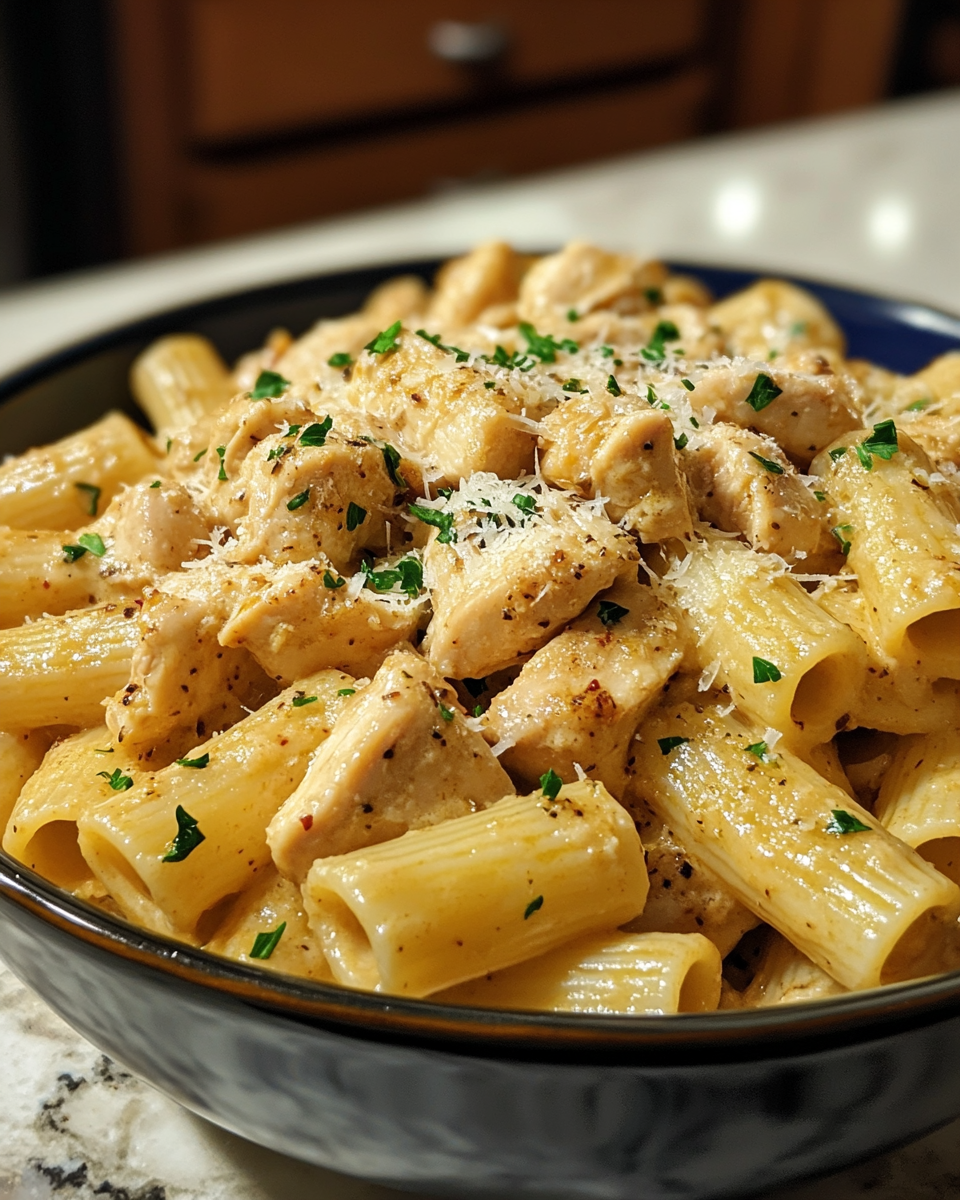
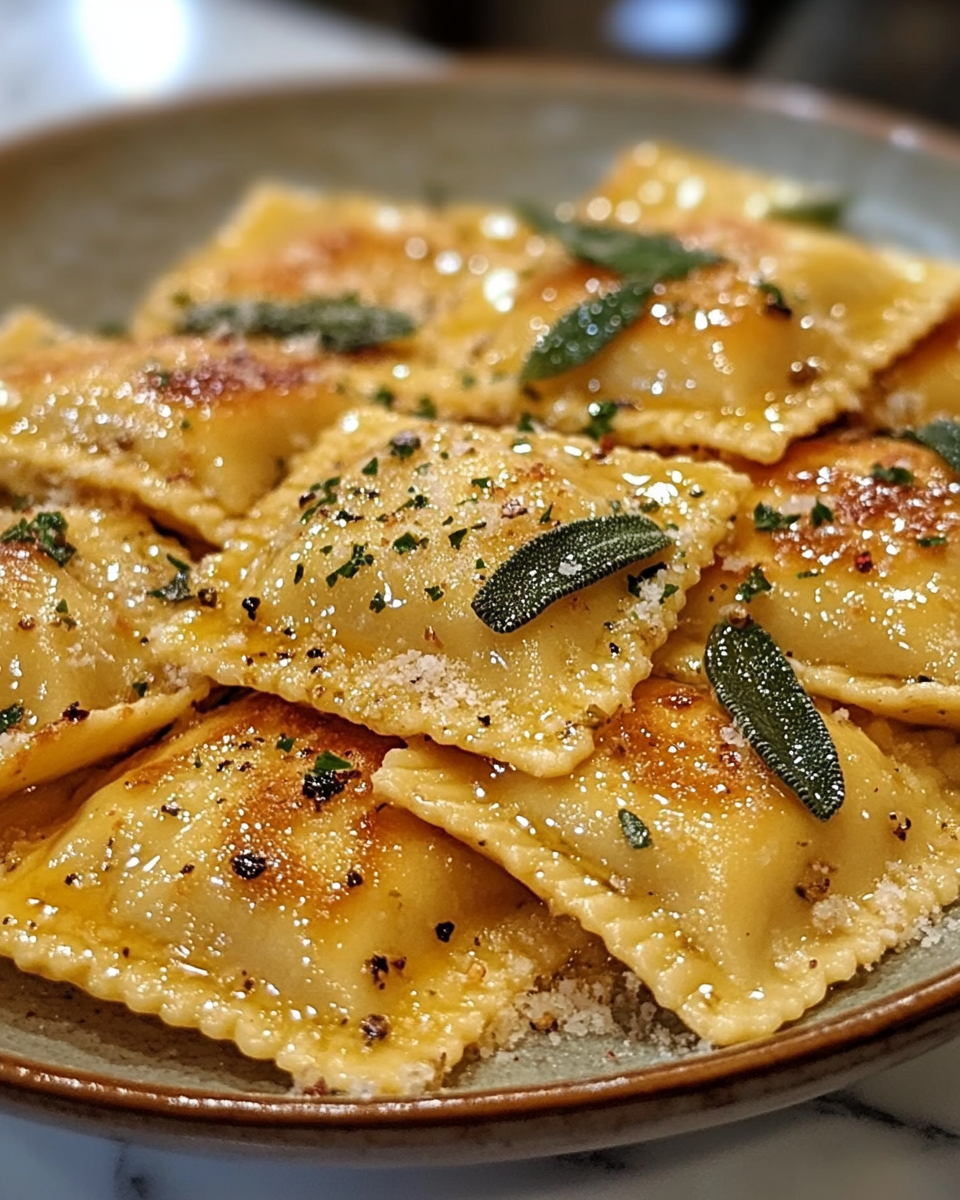
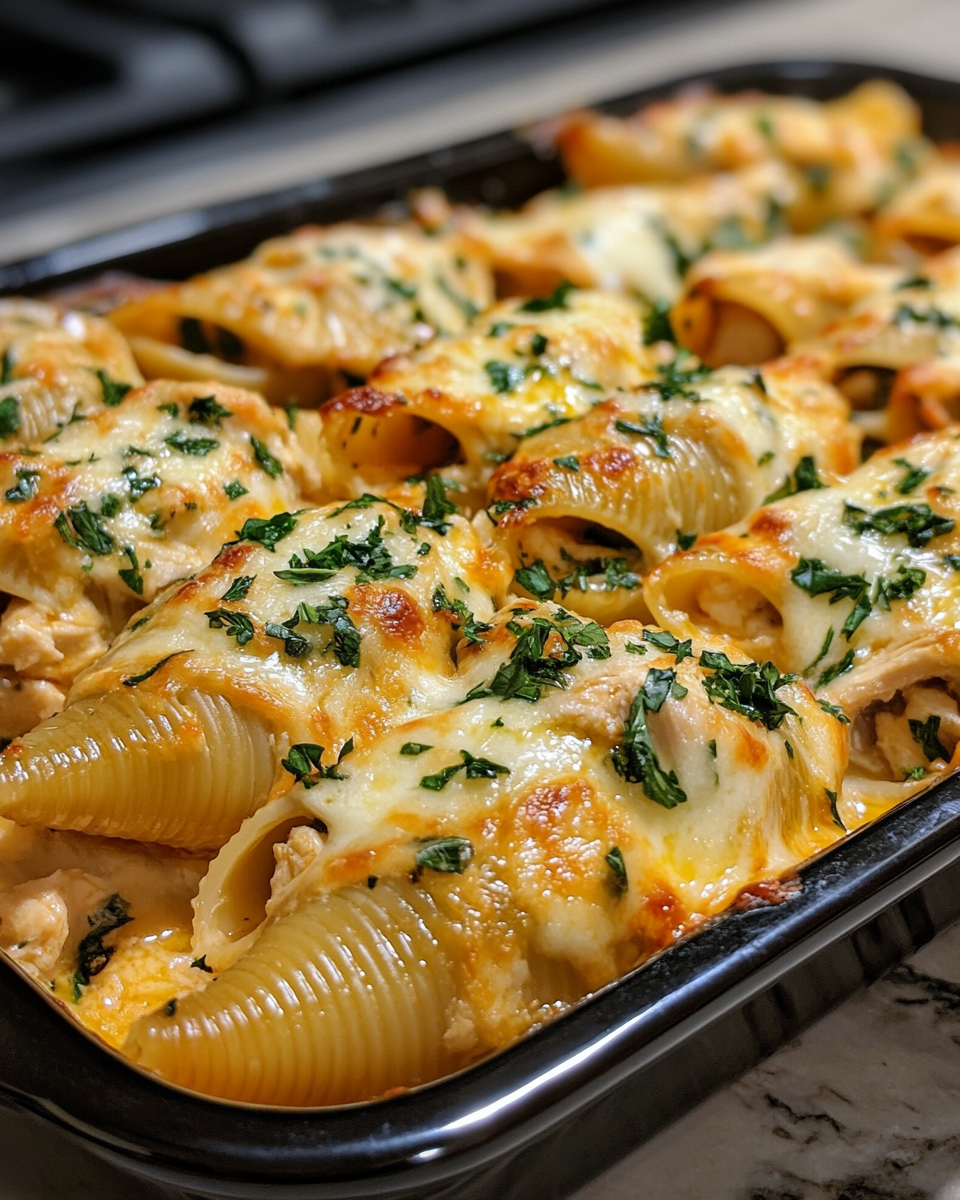
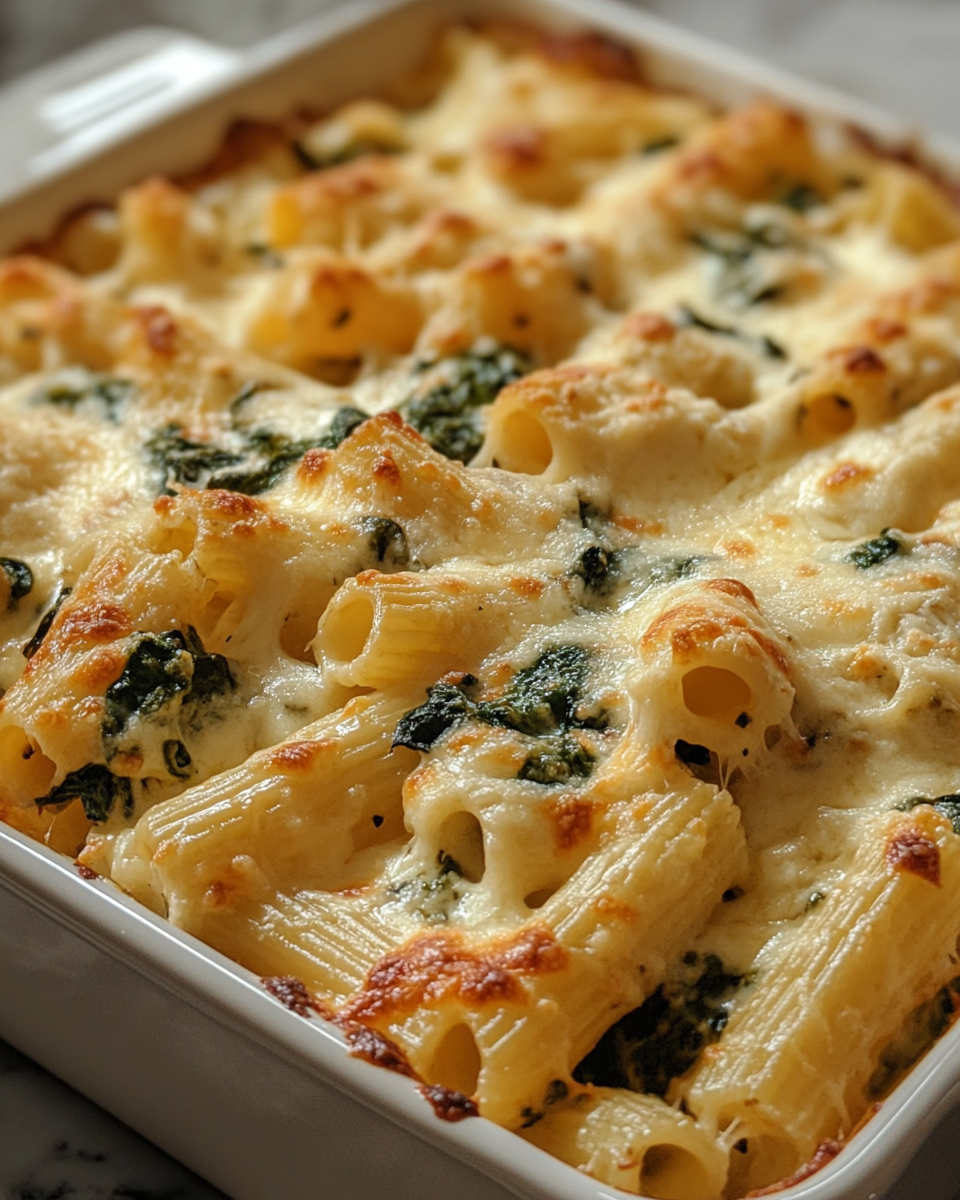
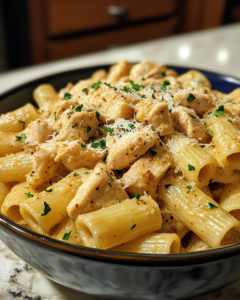
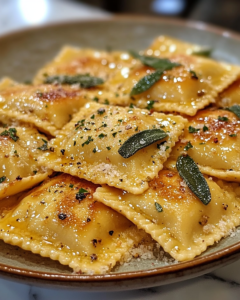
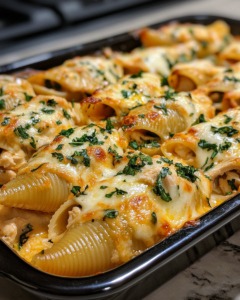
Butter parmesan pasta is a comforting classic that turns a handful of pantry staples into a rich, silky dish in under 30 minutes. The combination of butter, finely grated parmesan, and perfectly cooked pasta creates a smooth coating that clings to every strand, delivering a deeply satisfying bite.
This dish is often associated with quick family dinners, but its simplicity is exactly what makes it so special. When prepared with care, butter parmesan pasta becomes more than just a fallback meal. It offers a balanced blend of creamy texture, savory depth, and gentle saltiness that feels both familiar and refined.
The key lies in timing and technique. Properly emulsifying the butter with pasta water and cheese creates a glossy sauce without the need for cream. With the right approach, you get a dish that feels indulgent while remaining light enough for everyday cooking.
Ingredients Overview

The beauty of butter parmesan pasta comes from its short ingredient list, where each component plays a crucial role. Pasta acts as the foundation, and choosing the right shape matters. Long noodles like spaghetti or fettuccine allow the sauce to coat evenly, while short pasta like penne can trap the buttery mixture in its ridges.
Butter is the heart of the dish. It provides richness and creates the base of the sauce. Using unsalted butter gives better control over seasoning, allowing the parmesan to contribute its natural saltiness without overwhelming the dish.
Parmesan cheese brings depth and a nutty, savory flavor. Freshly grated parmesan is essential because it melts smoothly into the sauce. Pre-grated versions often contain anti-caking agents that can result in a grainy texture instead of a silky finish.
Garlic is optional but commonly included to add aromatic warmth. When gently cooked in butter, it infuses the sauce without becoming sharp or overpowering.
Pasta water is an often overlooked but vital ingredient. Its starch content helps bind the butter and cheese into a cohesive sauce, preventing separation and giving the pasta a glossy finish.
For substitutions, pecorino romano can replace parmesan for a sharper taste, while olive oil can partially replace butter for a lighter variation. Gluten-free pasta works well if cooked carefully, though it may require extra attention to maintain texture.
Ingredients
12 ounces spaghetti or fettuccine
4 tablespoons unsalted butter
3/4 cup freshly grated parmesan cheese
2 cloves garlic, minced
1 teaspoon salt
1/2 teaspoon black pepper
1/2 cup reserved pasta water
2 tablespoons chopped fresh parsley (optional)
Step-by-Step Instructions

Begin by bringing a large pot of water to a rolling boil. Add salt generously, as this is your primary chance to season the pasta itself. Once the water tastes slightly salty, add the pasta and cook according to package instructions until al dente. This means the pasta should be tender but still have a slight firmness in the center.
Before draining, reserve about one cup of pasta water. This step is essential for building the sauce later. Drain the pasta and set it aside briefly, but do not rinse it, as the surface starch helps the sauce cling better.
In a large skillet over medium-low heat, melt the butter slowly. Avoid high heat, as butter can brown too quickly and change the flavor. Once melted, add the minced garlic and cook gently for about one minute until fragrant. Stir continuously to prevent burning, as burnt garlic can introduce bitterness.
Add the drained pasta directly into the skillet with the butter and garlic. Toss gently to coat the noodles evenly. Begin adding the reserved pasta water a little at a time, stirring constantly. This creates a light emulsion that forms the base of the sauce.
Gradually sprinkle in the grated parmesan while tossing the pasta. Do not add all the cheese at once, as this can cause clumping. Instead, incorporate it in small amounts, allowing it to melt smoothly into the sauce.
If the sauce appears too thick, add a bit more pasta water. If it seems too thin, continue tossing over low heat until it tightens slightly. The goal is a glossy coating that clings to each strand without pooling at the bottom of the pan.
Season with salt and black pepper to taste. Keep in mind that parmesan is naturally salty, so adjust carefully. Finish with chopped parsley if desired for a fresh contrast.
Serve immediately while the pasta is warm and the sauce is at its smoothest. Delaying can cause the sauce to thicken excessively as it cools.
Common mistakes include overheating the cheese, which can make it stringy or grainy, and skipping the pasta water, which leads to a greasy rather than cohesive sauce. Keeping the heat low and adding ingredients gradually helps maintain the right texture.
Tips, Variations & Substitutions
For the smoothest sauce, always use freshly grated parmesan and add it gradually. Pre-shredded cheese often does not melt properly, which can affect the final texture.
If you want extra flavor, consider adding a pinch of red pepper flakes for gentle heat or a squeeze of lemon juice for brightness. Both options balance the richness of the butter and cheese without overpowering the dish.
Protein can be added to make the meal more filling. Grilled chicken, shrimp, or even crispy pancetta pair well with the creamy base. These additions should be cooked separately and folded in at the end.
For a lighter version, replace part of the butter with olive oil. This reduces richness while still maintaining a smooth consistency. A small amount of cream can also be added if a thicker sauce is preferred, though it changes the traditional profile slightly.
Vegetables like spinach, peas, or roasted broccoli can be mixed in for added texture and color. They should be cooked separately and stirred in just before serving.
Gluten-free pasta works as a substitute, but it is important to monitor cooking time closely to prevent it from becoming too soft. Whole wheat pasta can also be used for a slightly nutty flavor.
Serving Ideas & Occasions
Butter parmesan pasta is a versatile dish that fits a wide range of occasions. It works well as a quick weeknight dinner when time is limited but comfort is still a priority. Its mild, creamy flavor also makes it appealing for family meals, especially when serving children.
For a more complete meal, pair it with a crisp green salad dressed in a light vinaigrette. The acidity helps balance the richness of the pasta. Garlic bread or a simple toasted baguette adds texture and makes the meal more satisfying.
As a side dish, butter parmesan pasta complements roasted meats, grilled fish, or baked chicken. It can also be served alongside sautéed vegetables for a lighter spread.
In terms of drinks, a glass of chilled white wine such as pinot grigio or a sparkling water with lemon pairs nicely, cutting through the buttery richness.
Nutritional & Health Notes
Butter parmesan pasta is rich in carbohydrates and fats, making it a satisfying and energy-dense meal. The butter contributes to its creamy texture, while parmesan adds protein and calcium.
Portion control plays an important role in balancing this dish within a broader diet. Pairing it with vegetables or lean protein can help create a more balanced plate.
Using whole grain pasta can increase fiber content, which supports digestion and helps maintain fullness. Reducing the amount of butter or incorporating olive oil can slightly lower saturated fat levels while preserving flavor.
Parmesan cheese, while flavorful, is also high in sodium. Adjusting added salt accordingly helps keep the dish well-balanced without becoming overly salty.
This dish is best enjoyed as part of a varied diet, where richer meals are complemented by lighter options throughout the week.
FAQs
Can I use pre-grated parmesan cheese?
Pre-grated parmesan is convenient, but it often contains additives that prevent smooth melting. This can lead to a grainy sauce instead of the desired silky texture. Freshly grated parmesan melts more evenly and blends better with the butter and pasta water. If pre-grated cheese is your only option, add it slowly and keep the heat very low to reduce clumping. However, for the best results, grating your own cheese is strongly recommended.
How do I keep the sauce from becoming greasy?
A greasy sauce usually means the butter and cheese did not properly combine. The key is using reserved pasta water, which contains starch that helps bind everything together. Add the water gradually while tossing the pasta to create an emulsion. Keeping the heat low also prevents the butter from separating. Stirring consistently during the process helps maintain a smooth, cohesive texture.
What pasta shape works best for this recipe?
Long pasta like spaghetti or fettuccine is ideal because it allows the sauce to coat evenly along each strand. However, short pasta such as penne or rigatoni can also work, especially if you prefer a slightly heartier bite. The most important factor is cooking the pasta to al dente so it holds its shape and texture when mixed with the sauce.
Can I make butter parmesan pasta ahead of time?
This dish is best served immediately after preparation. As it cools, the sauce thickens and can lose its smooth consistency. If you need to prepare it in advance, store it in an airtight container and reheat gently with a splash of water or milk to loosen the sauce. Stirring continuously during reheating helps bring back some of its original texture.
Is it possible to add cream to the sauce?
Yes, adding a small amount of cream creates a thicker and richer sauce. While this is not traditional, it can make the dish more indulgent and slightly easier to prepare since cream stabilizes the mixture. If you choose this option, reduce the amount of butter slightly to maintain balance and prevent the dish from becoming too heavy.
How can I add more flavor without changing the base too much?
Simple additions like garlic, black pepper, or a touch of lemon zest can deepen the flavor without altering the core character of the dish. Fresh herbs such as parsley or basil also add brightness. For a subtle kick, a pinch of red pepper flakes works well. These small adjustments can make the dish feel more layered while keeping its simplicity intact.
Can I make this recipe dairy-free?
A dairy-free version is possible by replacing butter with a plant-based alternative and using a dairy-free cheese substitute. Keep in mind that the flavor and texture will differ from the original. Nutritional yeast can also be used to mimic some of the savory notes of parmesan. The key is to maintain the balance between fat and starch to achieve a smooth sauce.
………………..