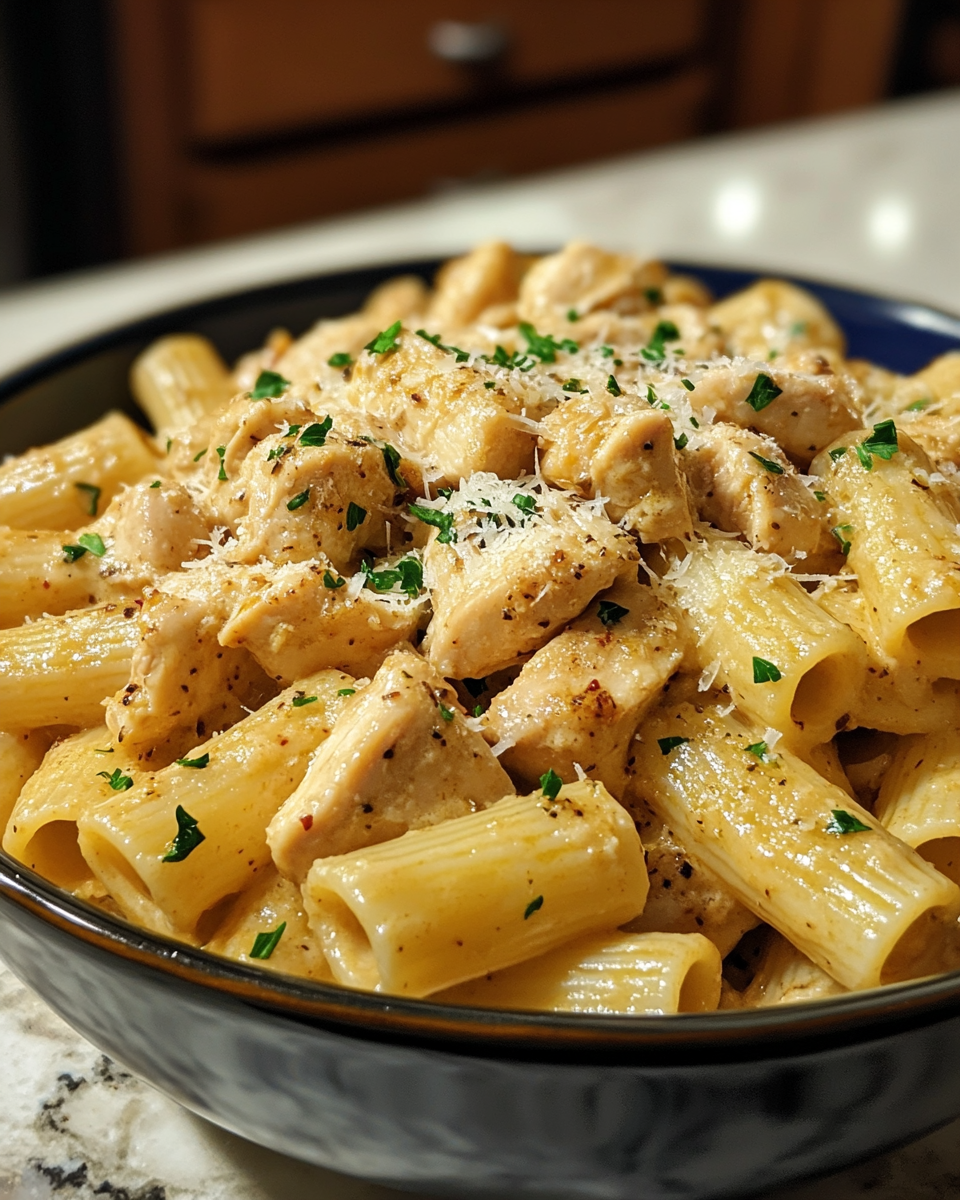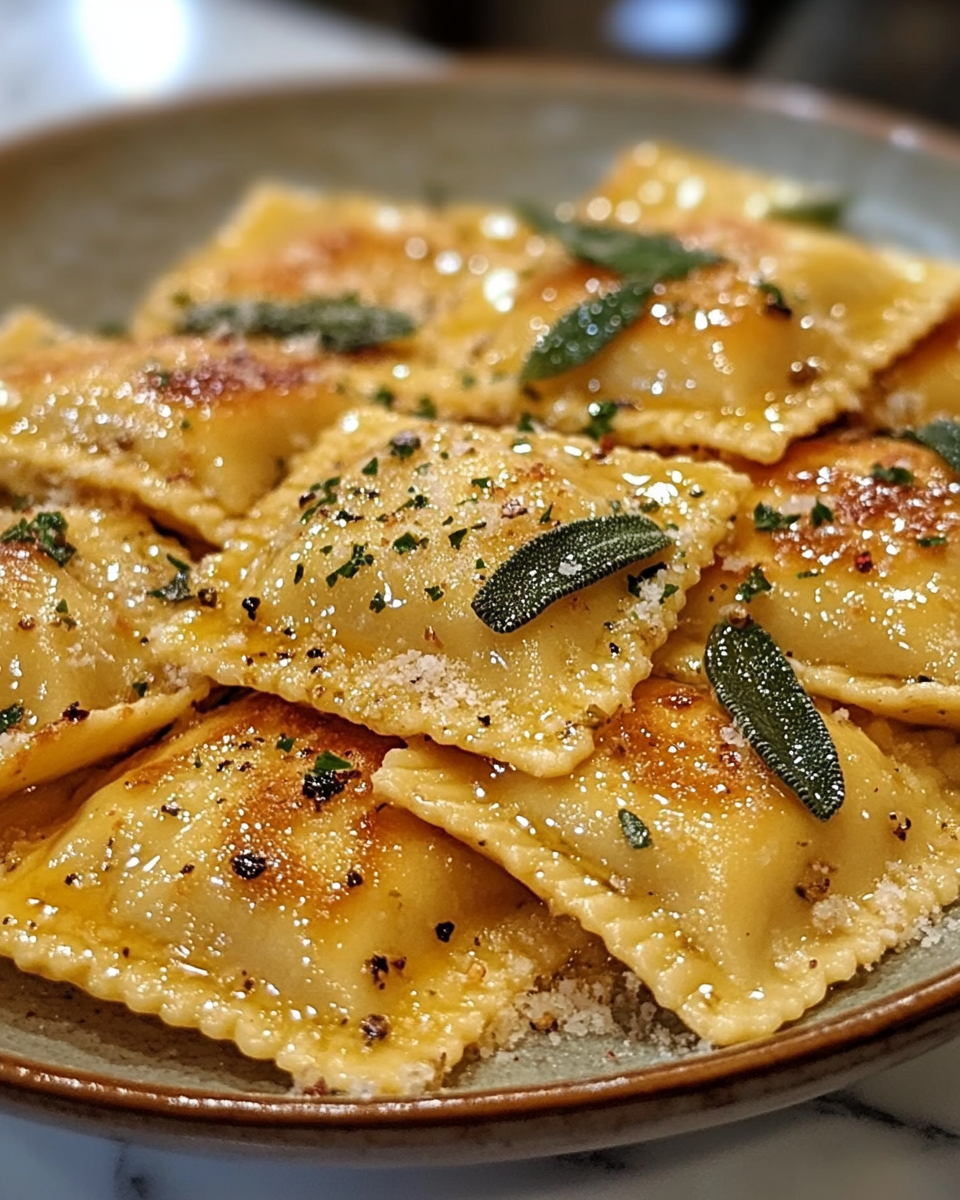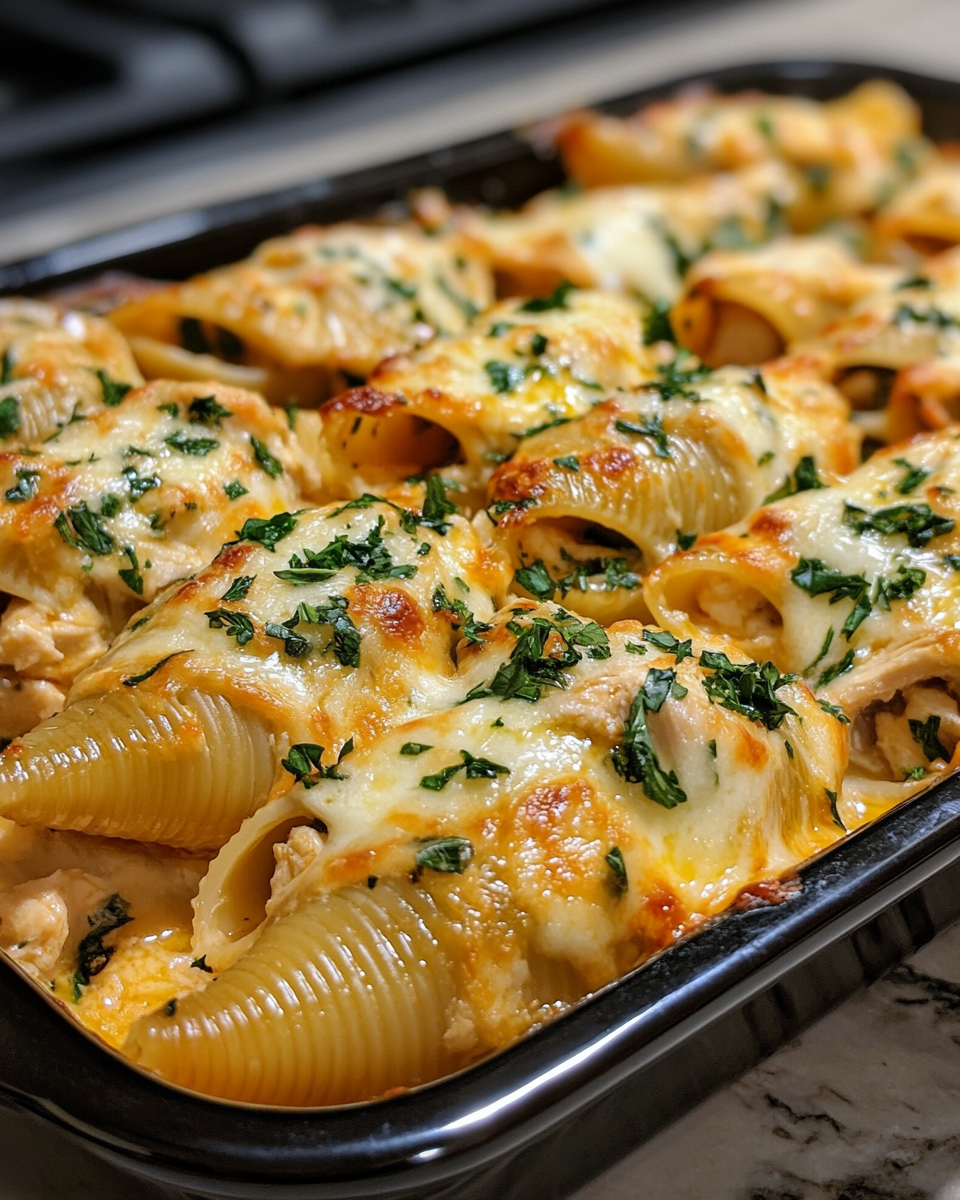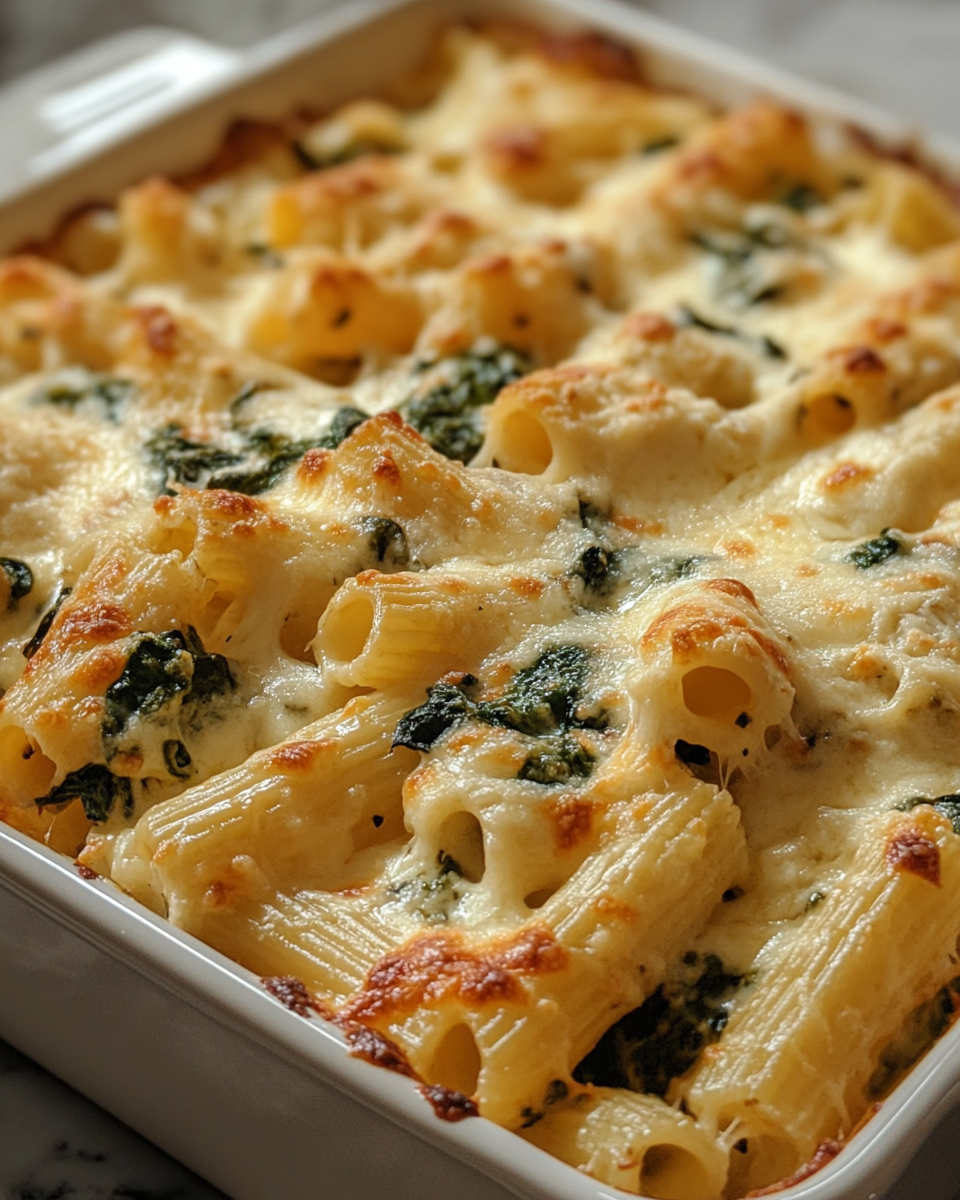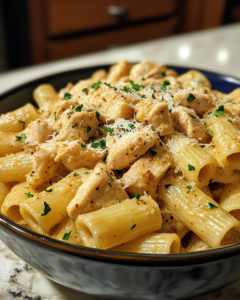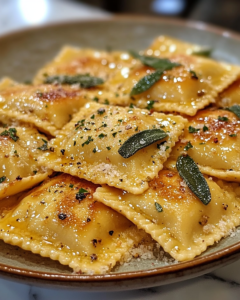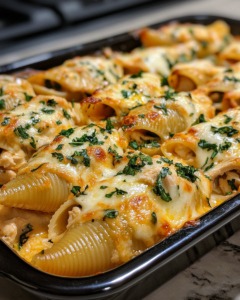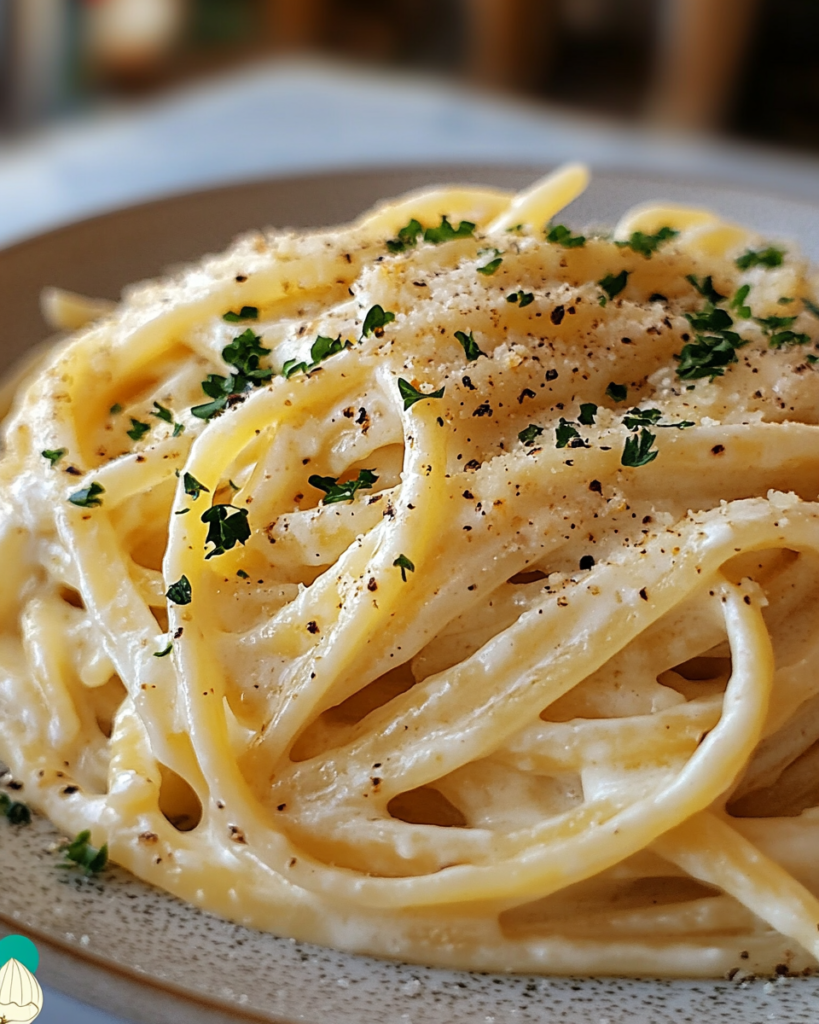
A bowl of Cheesy Garlic Alfredo Pasta Recipe brings together tender pasta coated in a rich, silky sauce made with butter, garlic, cream, and melted cheese. This dish is known for its comforting texture and deep savory flavor that comes together quickly on the stovetop.
The sauce clings to every strand or bite of pasta, creating a smooth, velvety finish. Garlic adds warmth and depth, while cheese melts into the cream for a thick, satisfying consistency. It is a reliable choice for a weeknight meal or a relaxed dinner that requires minimal effort but delivers a full, hearty plate.
This version focuses on straightforward cooking steps and familiar pantry ingredients. The goal is a creamy sauce that coats the pasta evenly without feeling heavy or overly rich. The balance of garlic and cheese is adjusted so neither overpowers the dish, allowing each element to stand out.
Ingredients Overview
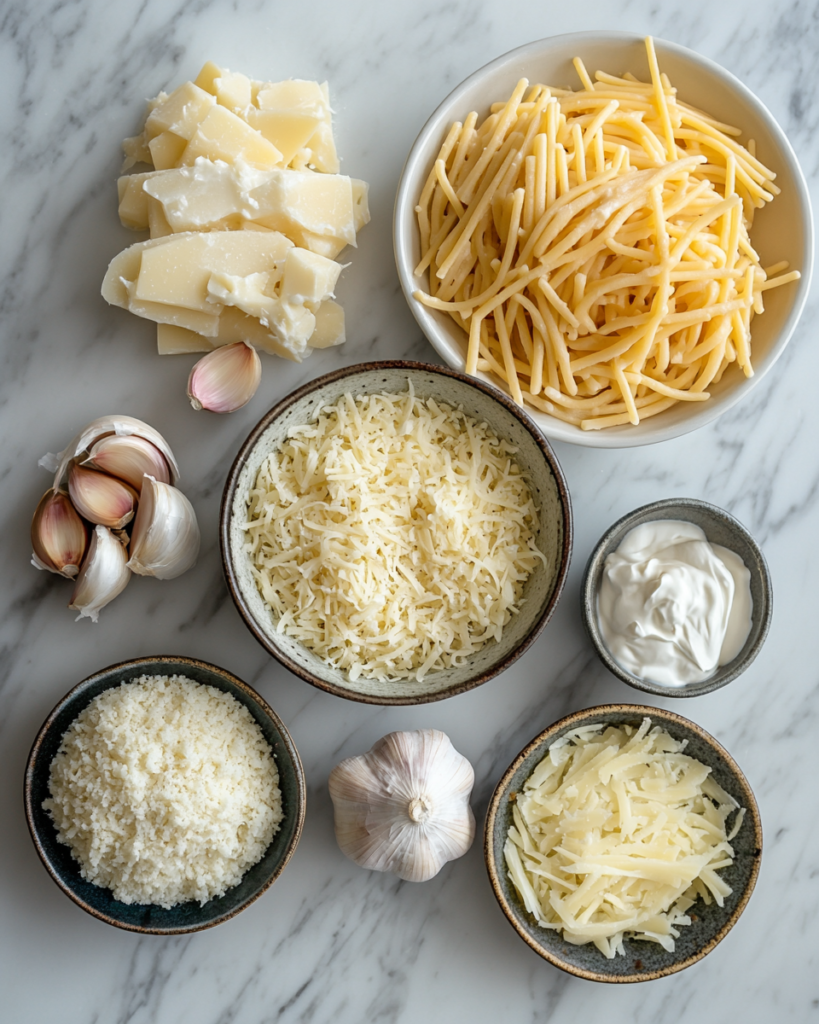
The foundation of Cheesy Garlic Alfredo Pasta Recipe starts with pasta, typically fettuccine, penne, or spaghetti. These shapes hold sauce well, giving each bite a consistent coating. Fettuccine is often preferred because its flat surface carries the creamy sauce smoothly.
Butter is the first layer of flavor. It melts into the pan and forms the base where garlic is gently cooked. Garlic is central to the dish, offering a warm, aromatic depth. It should be cooked slowly to avoid bitterness and to release its natural sweetness.
Heavy cream gives the sauce its signature silky texture. As it warms, it thickens and blends with cheese to create a smooth coating. Parmesan cheese is commonly used for its sharp, nutty profile and melting quality. Mozzarella can be added for extra stretch and softness in the sauce.
Salt and black pepper round out the flavor. Salt enhances the cheese and cream, while pepper adds a mild heat. A small amount of pasta water is often reserved to adjust the sauce consistency, helping it cling better to the pasta.
Optional additions include parsley for freshness or a pinch of red pepper flakes for mild heat. These are not required but can add contrast to the creamy base.
Each ingredient plays a specific role, and together they create a balanced, smooth sauce that defines this pasta dish.
Ingredients
12 ounces fettuccine pasta
2 tablespoons unsalted butter
4 cloves garlic, minced
1 1/2 cups heavy cream
1 cup grated Parmesan cheese
1/2 cup shredded mozzarella cheese
1/2 teaspoon salt
1/4 teaspoon black pepper
1/2 cup reserved pasta water
1 tablespoon chopped fresh parsley (optional)
Step-by-Step Instructions
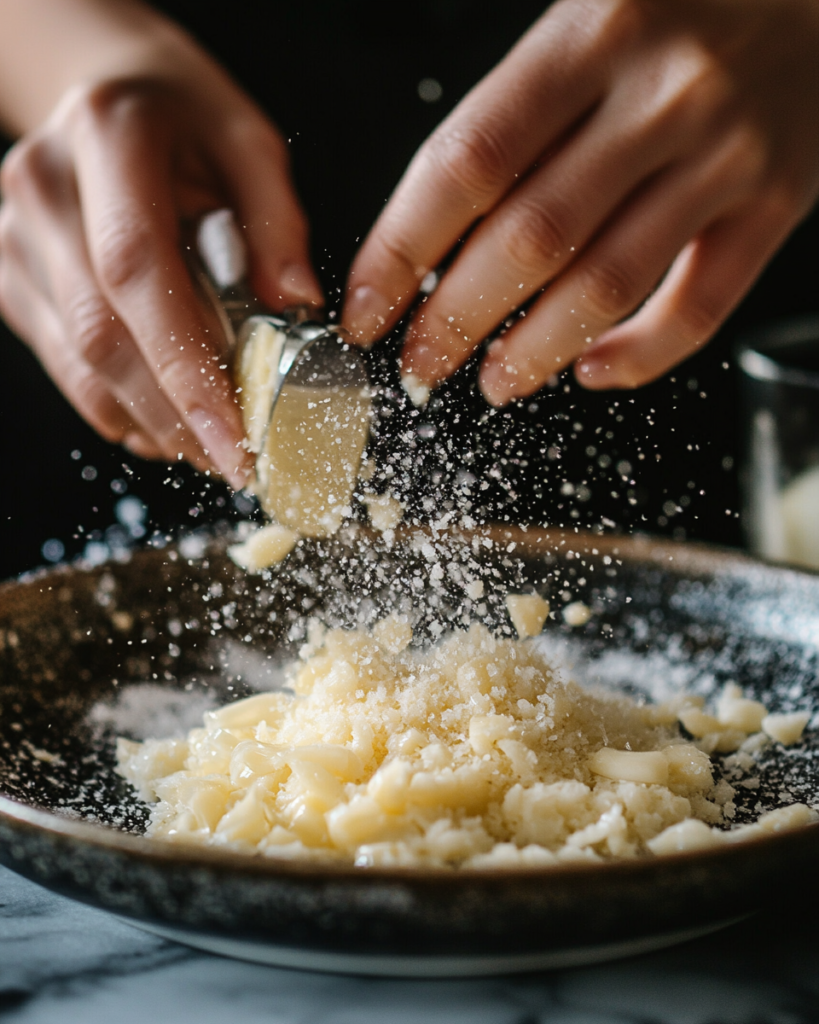
Begin by cooking the pasta in a large pot of salted boiling water. Stir occasionally to prevent sticking. Cook until the pasta reaches a tender but firm texture. Before draining, reserve about half a cup of the pasta water, then set the pasta aside.
Place a large skillet over medium heat and add the butter. Allow it to melt completely, coating the surface of the pan. Add the minced garlic and cook gently for about one minute. Stir continuously so the garlic becomes fragrant without browning too quickly.
Pour in the heavy cream and lower the heat slightly. Stir the mixture as it warms, allowing the cream to blend with the garlic-infused butter. Keep the heat steady to avoid boiling, which can affect the texture of the sauce.
Add the Parmesan cheese gradually, stirring as it melts into the cream. The sauce will begin to thicken as the cheese dissolves. Follow with mozzarella cheese and continue stirring until the sauce becomes smooth and cohesive.
Season with salt and black pepper. Taste the sauce and adjust slightly if needed, keeping the balance between cream and cheese in mind.
Add the cooked pasta directly into the skillet. Toss gently so the pasta becomes fully coated in the sauce. If the sauce feels too thick, slowly add small amounts of reserved pasta water until the texture loosens and coats the pasta evenly.
Continue stirring over low heat for another minute so the pasta absorbs some of the sauce. The final texture should be creamy and smooth, with the sauce clinging to each piece without pooling at the bottom of the pan.
Remove from heat and let it rest briefly before serving. Sprinkle chopped parsley on top if desired for a light finish.
Avoid cooking the garlic over high heat, as it can turn bitter. Also avoid adding all the cheese at once, since gradual melting helps maintain a smooth sauce without clumping.
Tips, Variations & Substitutions
For a lighter version, half-and-half can replace heavy cream, though the sauce will be slightly less thick. Adding a small amount of milk can also adjust consistency without changing flavor too much.
Protein additions such as grilled chicken, shrimp, or sautéed mushrooms can turn this pasta into a fuller meal. These should be cooked separately and added at the end to avoid overcooking.
For a stronger garlic profile, roasted garlic can be used instead of raw minced garlic. This gives a softer, slightly sweet undertone that blends smoothly into the sauce.
Different cheeses can also be used. Asiago or Romano can replace part of the Parmesan for a sharper flavor. However, it is important to use cheeses that melt well to maintain a smooth sauce.
If the sauce becomes too thick while sitting, a small splash of warm cream or pasta water can bring it back to the right texture. Stir gently to restore smoothness without breaking the sauce.
Serving Ideas & Occasions
Cheesy Garlic Alfredo Pasta Recipe works well as a main dish served fresh from the pan. It pairs nicely with simple sides like garlic bread, roasted vegetables, or a light green salad.
For drinks, sparkling water with lemon or iced tea complements the richness of the sauce. These help balance the creamy texture without overpowering the dish.
This pasta is often served for casual dinners, family meals, or relaxed gatherings. It is also a practical choice for quick cooking when time is limited but a warm meal is desired.
It holds up well as a leftover dish when gently reheated with a splash of cream or milk to restore its smooth texture.
Nutritional & Health Notes
This pasta dish is rich in calories due to the combination of cream, butter, and cheese. It provides a source of carbohydrates from the pasta and fats from the dairy ingredients.
Protein content comes primarily from cheese, with additional protein possible if meat or seafood is added. Calcium is also present due to the dairy base.
Portion control can help balance the richness of the dish. Pairing it with vegetables adds fiber and freshness to the meal.
Using lighter dairy options can reduce overall fat content, though this will slightly change the texture and thickness of the sauce.
FAQs
What type of pasta works well for Alfredo sauce?
Fettuccine is commonly used because its wide surface holds creamy sauce effectively. However, penne, rigatoni, and spaghetti also work well. The key is choosing pasta that can carry the sauce without slipping off too easily. Short pasta shapes hold sauce inside their ridges, while long pasta allows smooth coating with each bite. Cooking the pasta to a firm texture helps it maintain structure when mixed with the sauce.
Can I use milk instead of cream?
Milk can be used, but the sauce will be thinner and less rich. To improve texture, a small amount of flour or extra cheese can help thicken it slightly. Whole milk works better than low-fat versions because of its higher fat content. The final result will still be creamy but not as dense as the traditional version made with heavy cream.
How do I prevent the sauce from becoming grainy?
Graininess usually happens when cheese is added too quickly or at high heat. To avoid this, reduce heat before adding cheese and stir gradually. Freshly grated cheese melts more smoothly than pre-shredded varieties. Keeping the sauce warm but not boiling also helps maintain a smooth texture throughout cooking.
Can I make this pasta ahead of time?
This dish is best served fresh, but it can be prepared ahead in parts. The sauce and pasta can be stored separately and combined when reheating. When reheating, adding a small amount of cream or milk helps restore the original texture. Stir gently over low heat to prevent separation.
What proteins go well with this recipe?
Grilled chicken, sautéed shrimp, or crispy bacon pair well with the creamy sauce. These proteins add texture and flavor contrast. They should be cooked separately and added at the end to maintain their texture. Plant-based options like mushrooms or roasted chickpeas also work well.
Why is my sauce too thick?
The sauce can thicken if it simmers too long or if too much cheese is added. To fix this, add reserved pasta water or a small amount of cream while stirring over low heat. This helps loosen the sauce and bring it back to a smooth consistency without affecting flavor.
Can I freeze Alfredo pasta?
Freezing is not ideal because cream-based sauces can separate when thawed. The texture may become grainy or watery after reheating. If needed, freeze only the pasta and prepare the sauce fresh when serving. This keeps the texture closer to its original form.